 SpinyheadPlay free
A new partner
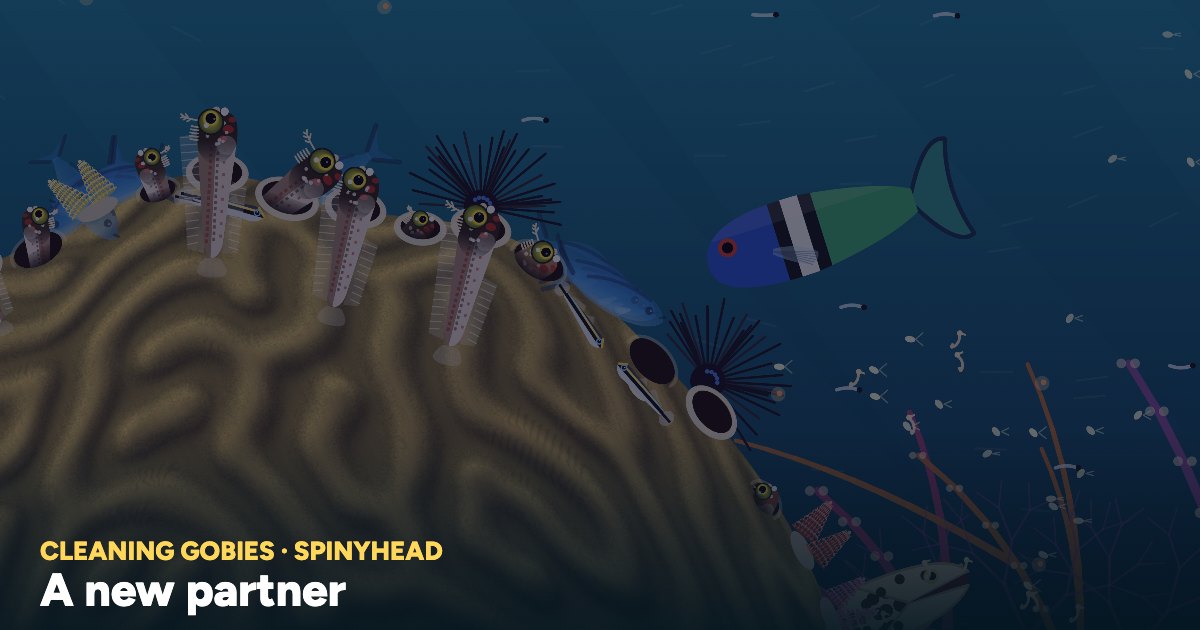
Behavior: Social monogamy with size-assortative pairing and mate replacement
Males often move between territories, and a goby that loses its mate soon pairs with a newcomer. Pairs are matched in size: bigger males pair with bigger females.
Species involved
- sharknose goby Elacatinus evelynae pair-forming cleaner fish that re-pairs after losing a mate
About social monogamy with size-assortative pairing and mate replacement
Social monogamy means that a male and a female live together as a pair and share a territory, usually for breeding, whether or not they are strictly faithful. Size-assortative pairing means that mates tend to be similar in size, so large individuals pair with large partners and small ones with small partners. Mate replacement is what happens when a partner disappears: the survivor does not stay single but takes up with a new individual. In the sharknose goby, the notebook records that males often move between territories, that a goby that loses its mate soon pairs with a newcomer, and that bigger males pair with bigger females.
Why it matters
Pairing with a partner of matching size can help the pair to breed together. In fishes, female size often limits how many eggs she can produce, and male size can affect how well he guards a nest. Quick re-pairing reduces the time an animal spends without a mate, which matters on a reef where predation and movement regularly break up pairs. For a small, site-attached cleaner such as this goby, a stable territory and a partner help it to keep up its cleaning activity and breeding. Where the sizes of available partners are limited, choosy pairing can also affect which individuals get to breed.
On coral reefs
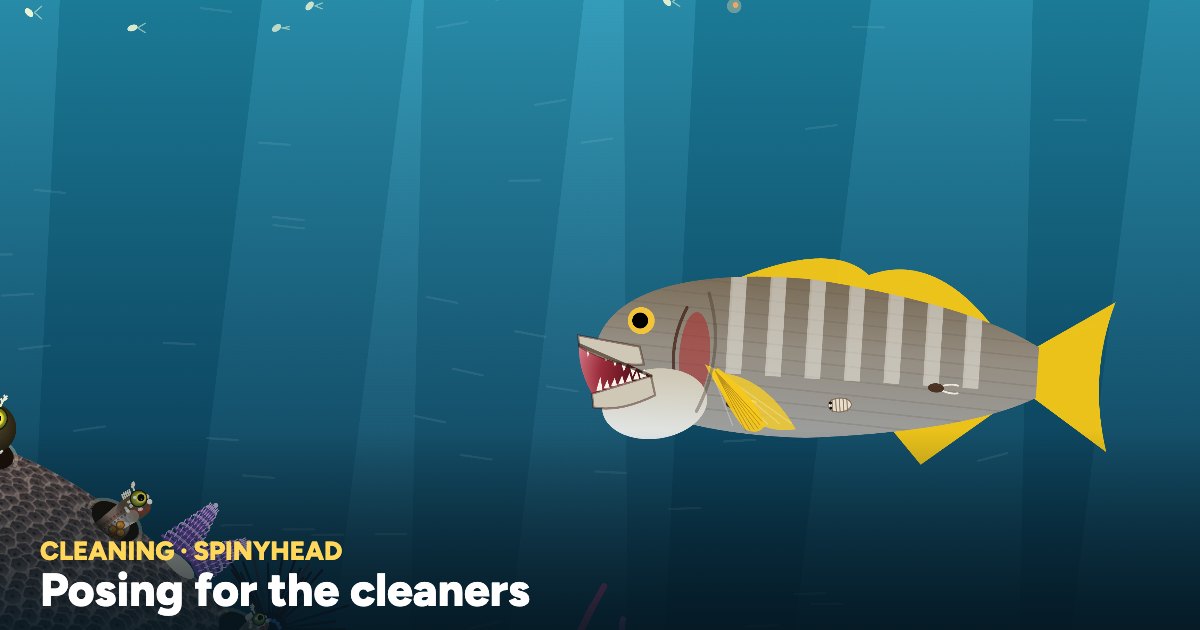
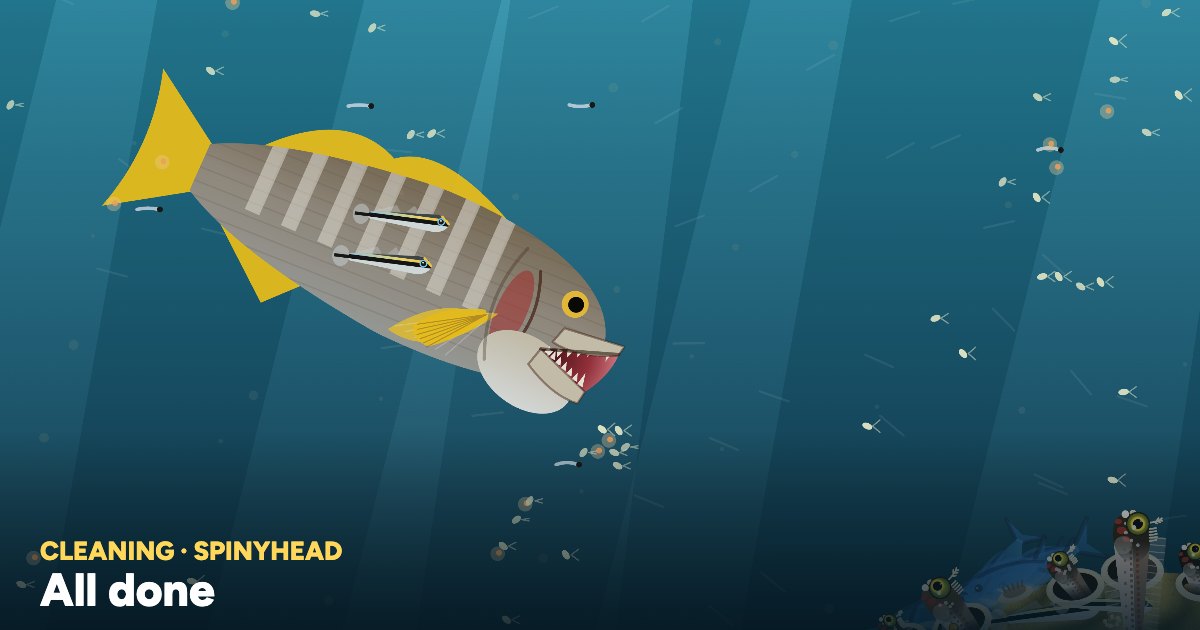
A diver may see sharknose gobies in twos on the same coral head or sponge, often at a cleaning station where they pick parasites from visiting fish. A pair usually stays close together, and the two fish are often of similar size. If one goby vanishes, a different individual may be found with the remaining one a short time later. This is hard to see without marked individuals or repeated visits.
Who studied it
Harding, Almany, Houck and Hixon (2003, Animal Behaviour 65:865), an experimental study of pairing and mating in the sharknose goby, which was then placed in the genus Gobiosoma. Studies of monogamy in fishes more generally have asked when a pair bond is stable and what happens when a mate is lost.
Elsewhere in the animal kingdom
Social monogamy is found across the animal kingdom and is especially well known in birds, where most species form pair bonds for at least a breeding season. Among fishes, anemonefishes live in pairs within a host anemone, many butterflyfishes form pairs, and seahorses are known for strong pair bonds within a breeding season. Size-matched pairing is also reported in many other fishes and in some crustaceans and birds.
Doubts and open questions
Social monogamy does not always mean genetic monogamy, since a pair may live together while one or both also mate with others. Size-matched pairs may also arise from mutual choice, competition between individuals of similar size, or simply from which partners happen to be available nearby, so the pattern alone does not show which of these is at work.
Related behaviors
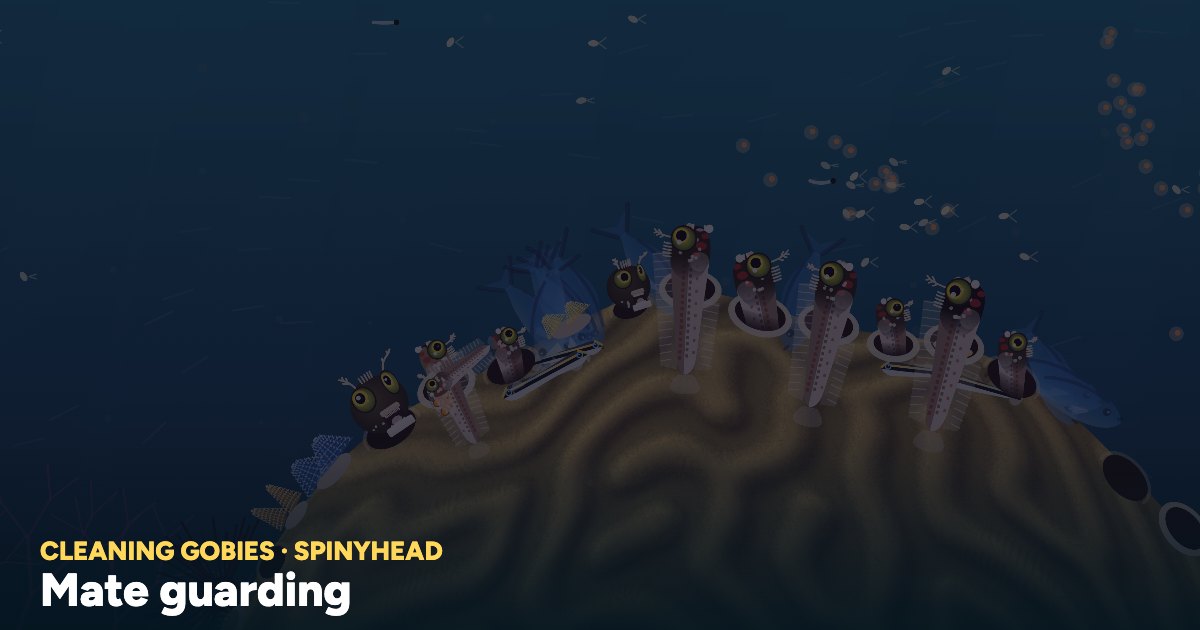
- mate guarding One partner, often the male, stays close to a mate to keep rivals away, whereas monogamy describes the longer-term pair bond itself.
- polygyny (harem mating) One male mates with or holds several females, rather than forming a one-to-one pair.
- protogynous sex change An individual changes sex as it grows, whereas gobies pair as separate-sex adults of similar size.
- cleaning symbiosis This is the cleaner's mutualistic relationship with client fish, not the relationship between the two members of a goby pair.
Spinyhead is a free game you play in your browser: you are a spinyhead blenny, a fish about 3 cm long living in a worm hole on a Caribbean coral head. Feed, fight for a better hole, court, raise eggs and dodge predators, while everything around you behaves the way field biologists have seen it behave. Every behavior in the game is backed by a published study or careful observation; there are 71 on these pages, and more in the game’s field notebook waiting to be found.
More cleaning gobies
Other reef behaviors to discover