 SpinyheadPlay free
Mate guarding
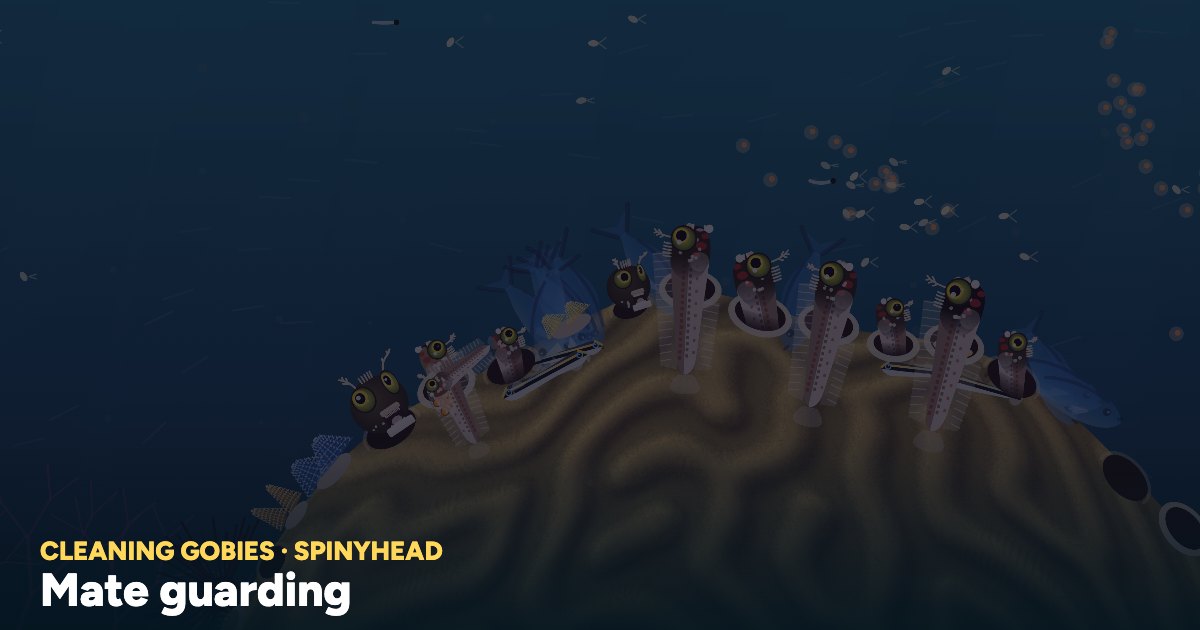
Behavior: Mate guarding (here, mutual same-sex mate guarding in a socially paired fish)
Large intruder gobies of the same sex are attacked hardest, and often fight back: several seconds of mutual biting to the head and body. Each partner guards its mate against rivals of its own sex.
Species involved
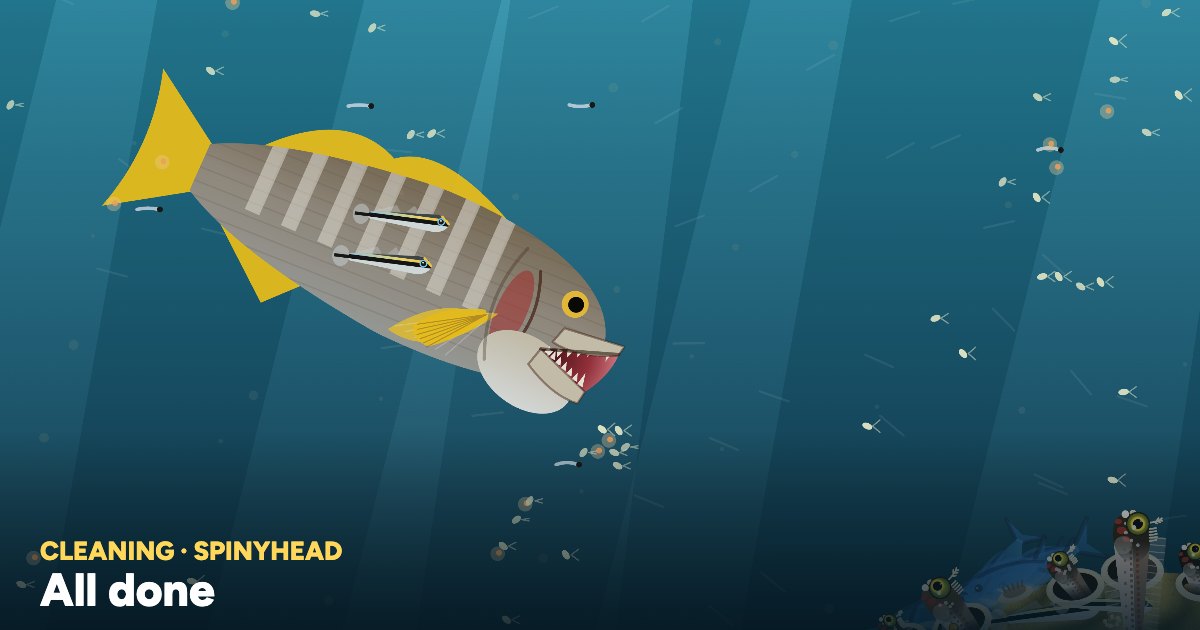
- sharknose goby Elacatinus evelynae paired cleaner goby that fights same-sex intruders to guard its mate
About mate guarding (here, mutual same-sex mate guarding in a socially paired fish)
Mate guarding is behaviour in which an animal stays close to a mate and keeps rivals away from it. Most often it is a male guarding a female, to stop other males mating with her. In the notebook's account of sharknose gobies, both partners of a pair guard, and each attacks intruders of its own sex. Large intruders get the hardest attacks, and the resident often meets them with several seconds of mutual biting at the head and body. The notebook's source is a 1993 Oregon State University M.S. thesis by Harding.
Why it matters
For a guarding animal, keeping same-sex rivals away protects its place in the pair, and so its access to its partner's eggs or sperm and the shared investment in raising young. It may also protect the shared home site and the cleaning territory the pair relies on. Fights cost energy and risk injury, so guarding should be most intense against rivals who are a real threat, such as large intruders of the same sex. The notebook describes exactly this pattern. Guarding also helps keep a pair together, which affects who breeds and how often on a given coral head.
On coral reefs
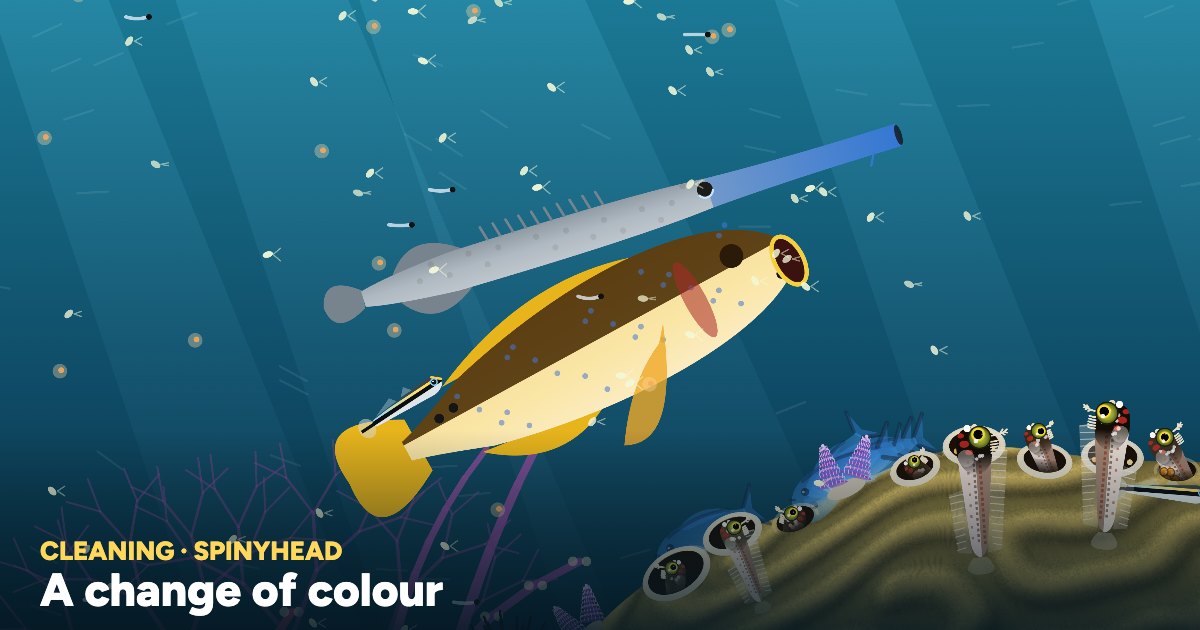
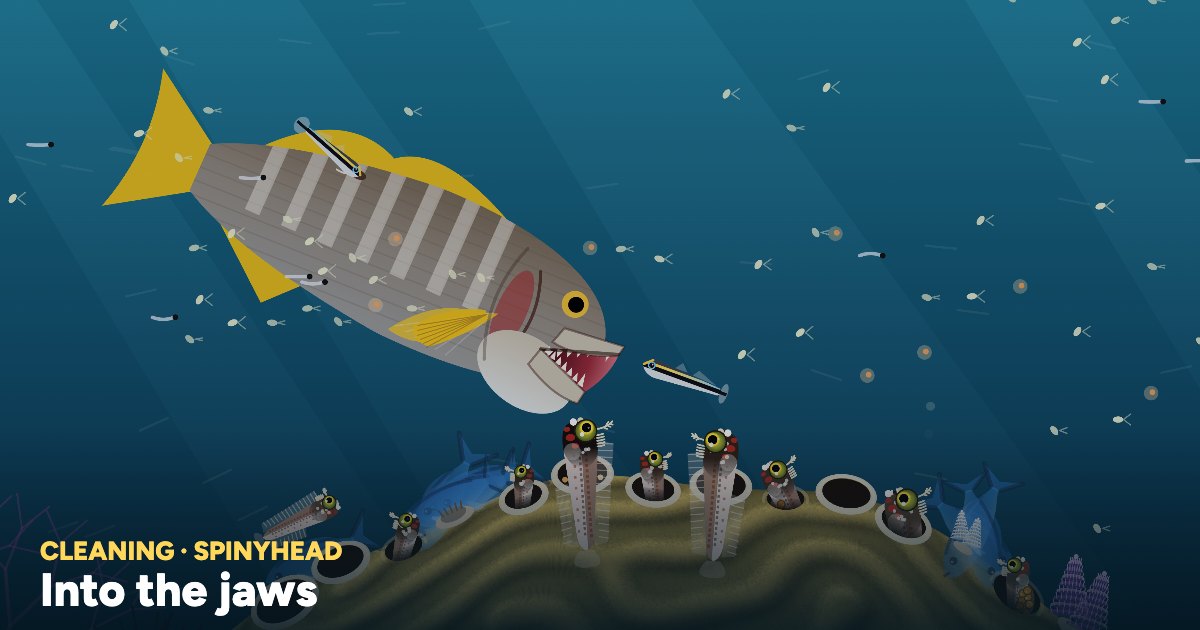
Sharknose gobies are small, often seen in pairs, and usually sit on a coral head or sponge that serves as their cleaning station. A diver might see a resident dart out at another goby that comes near, chase it off, or lock jaws with it briefly. Most encounters end in a chase rather than a sustained fight.
Who studied it
Mate guarding was first studied as part of the wider study of sexual selection and sperm competition, and it was described in many animal groups during the 20th century. For this entry the notebook's own source is a 1993 M.S. thesis by Harding at Oregon State University, which is the only study I can attribute with confidence.
Elsewhere in the animal kingdom
Mate guarding is very widespread. It is well known in birds, in many insects such as dragonflies and damselflies, and in crustaceans such as amphipods, where the male carries or stays with a female before she moults and mates. It also occurs in some primates and in many fishes. Guarding by both members of a pair is less often described than male guarding, and is best known in socially monogamous species that defend a shared territory.
Doubts and open questions
Aggression toward same-sex intruders can be hard to separate from defence of a territory, shelter or cleaning station, so fights may not be about the mate at all. Researchers also ask whether guarding mainly protects paternity, protects a partner's investment, or prevents the partner from deserting. These explanations are not mutually exclusive.
Related behaviors
- territorial defence The animal defends a place or resource such as a shelter or feeding site, not a mate.
- harem defence One animal, usually a male, guards several mates at once, not a single partner.
- social monogamy / pair bonding This is the stable pairing itself, which guarding may help maintain, but pairing does not require active guarding.
- cleaning symbiosis This is the service gobies provide to client fish by removing parasites, and has nothing to do with mating.
Spinyhead is a free game you play in your browser: you are a spinyhead blenny, a fish about 3 cm long living in a worm hole on a Caribbean coral head. Feed, fight for a better hole, court, raise eggs and dodge predators, while everything around you behaves the way field biologists have seen it behave. Every behavior in the game is backed by a published study or careful observation; there are 71 on these pages, and more in the game’s field notebook waiting to be found.
More cleaning gobies

Other reef behaviors to discover