 SpinyheadPlay free
Storm swell
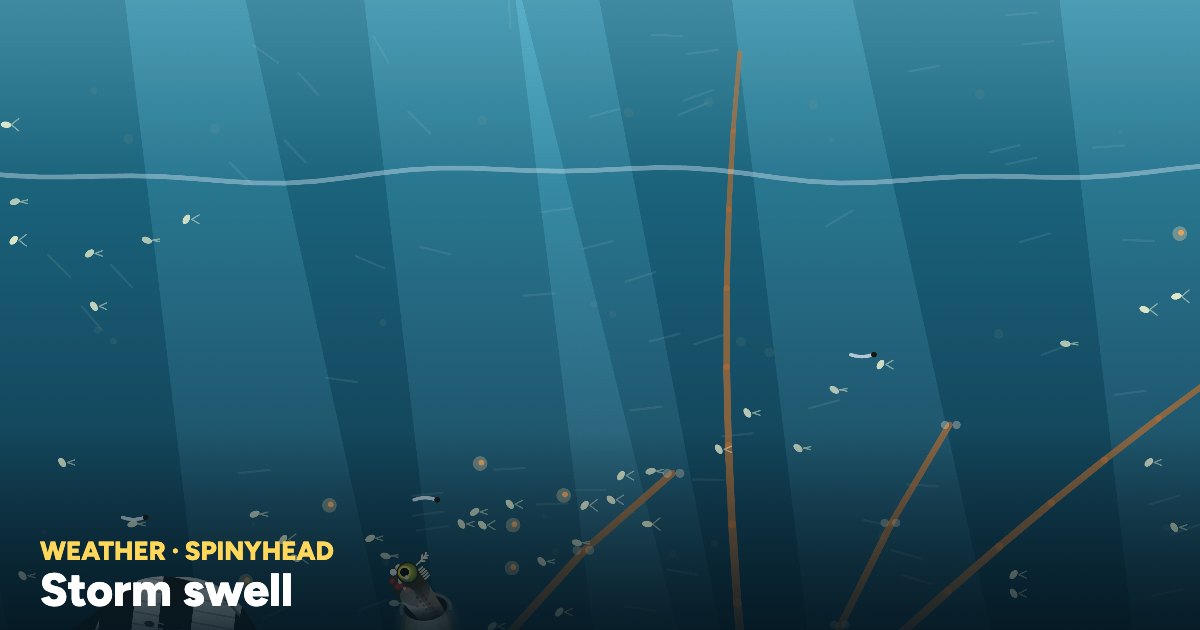
Behavior: Planktivory in turbulent flow (feeding on zooplankton in strong water motion, where turbulence masks the hydrodynamic cu
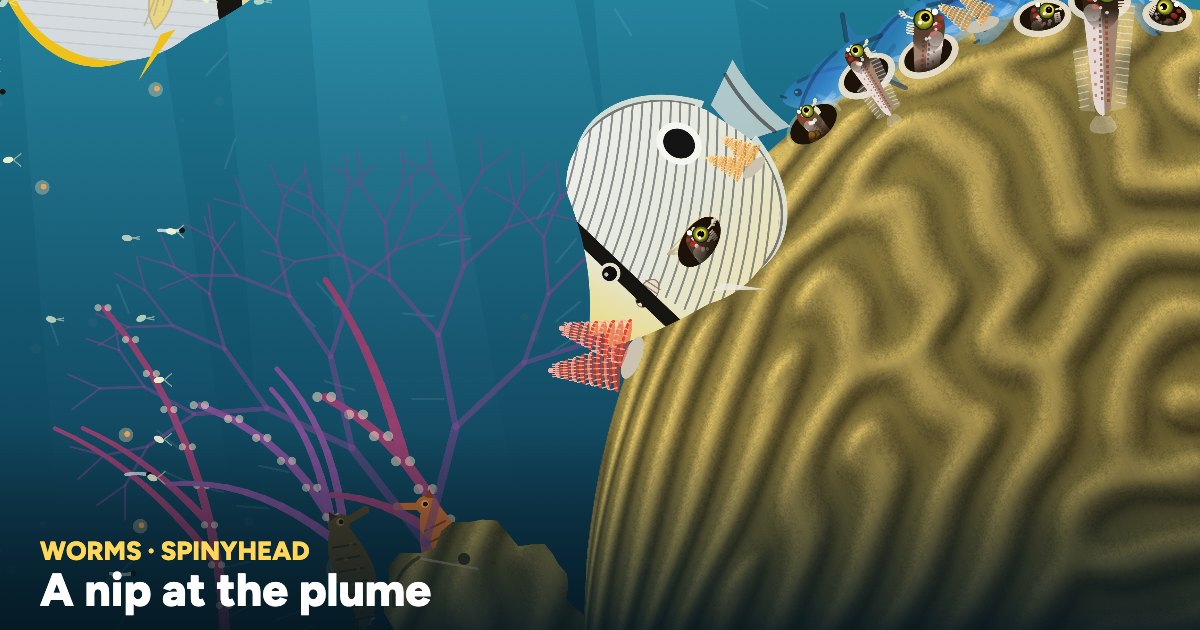
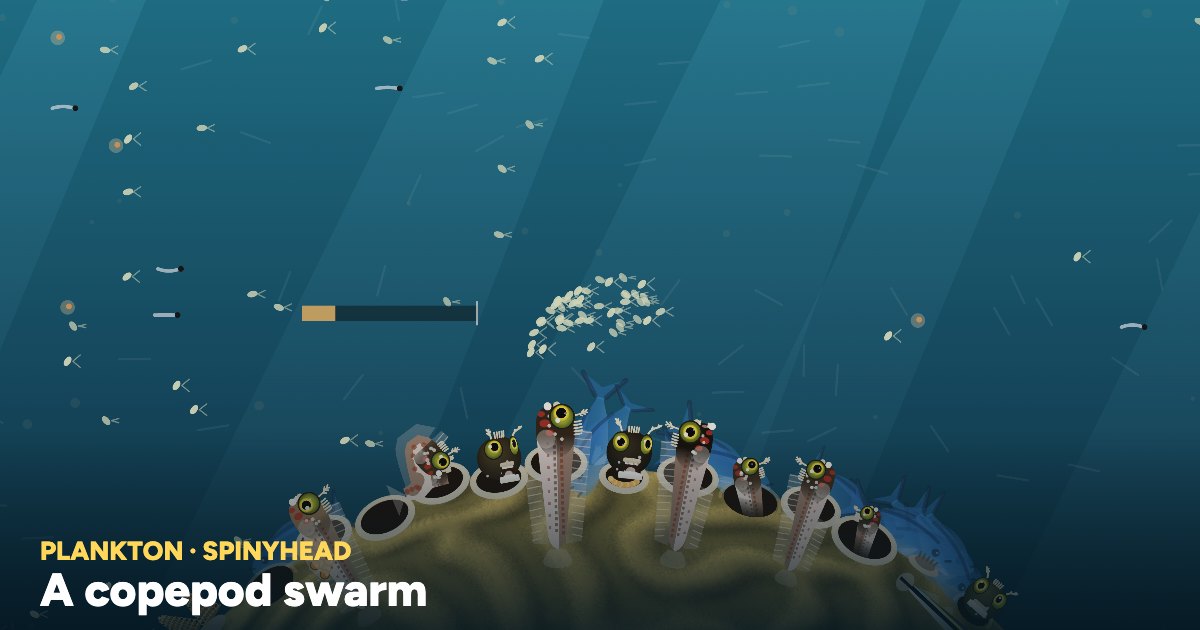
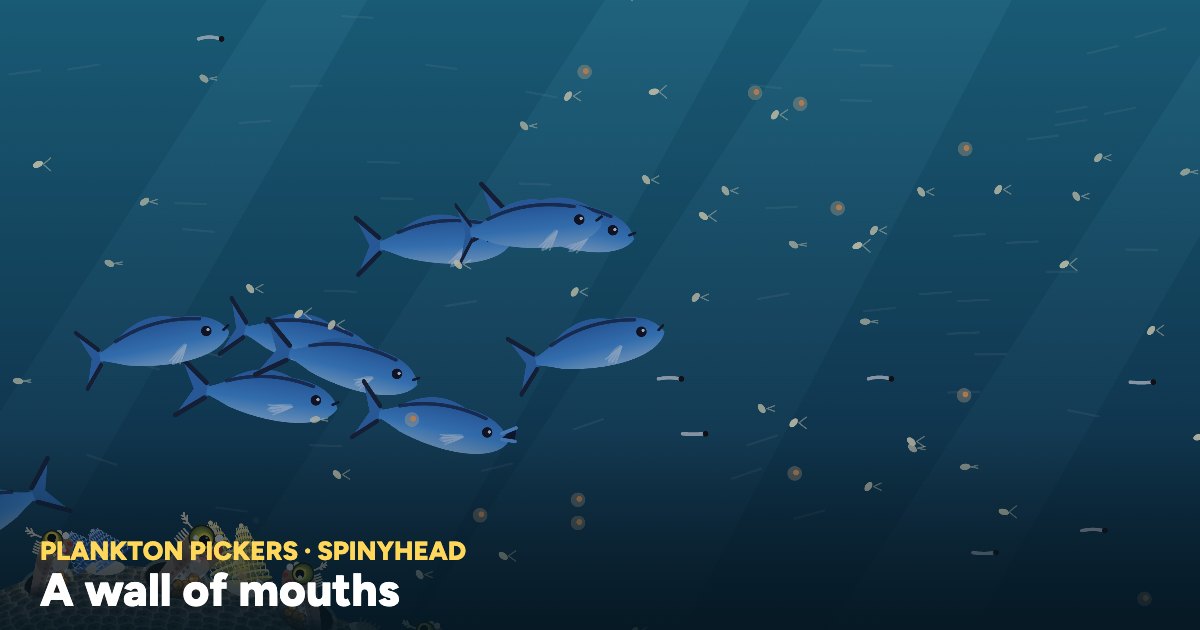
In a storm swell the whole water mass surges back and forth over the reef, sand clouds the water, and more plankton is swept past. Spiny head blennies keep feeding in strong flow, and turbulence hides a strike from copepods.
Species involved
- spinyhead blenny Acanthemblemaria spinosa sit-and-wait planktivore that keeps feeding in strong flow
- planktonic copepods Copepoda prey carried past on the surge and less able to detect strikes
About planktivory in turbulent flow (feeding on zooplankton in strong water motion, where turbulence masks the hydrodynamic cu
Many small reef fishes feed on drifting zooplankton, so water motion strongly affects their feeding. Flow determines how much plankton passes a fish, how hard it is to hold a position and strike, and how well prey can sense danger. A storm swell is an extreme case: water surges back and forth over the reef, stirs up sediment and carries more plankton past. The spinyhead blenny lives in a small hole in the reef and picks plankton from the water as it passes. The notebook entry, based on Finelli and colleagues (2009, Coral Reefs 28:461), says the blenny keeps feeding in strong flow and that turbulence hides a strike from copepods.
Why it matters
For the fish, continued feeding in rough water means it can use the extra plankton delivered by the flow instead of fasting until conditions calm. Copepods normally escape by sensing the small pressure wave and water disturbance of an approaching predator and then jumping. Turbulence adds background motion that can mask that signal, so strikes may succeed more often. This links physical conditions directly to predator-prey outcomes. It also means weather can change how much energy planktivores gain, and how much plankton is removed near the reef, from one day to the next.
On coral reefs
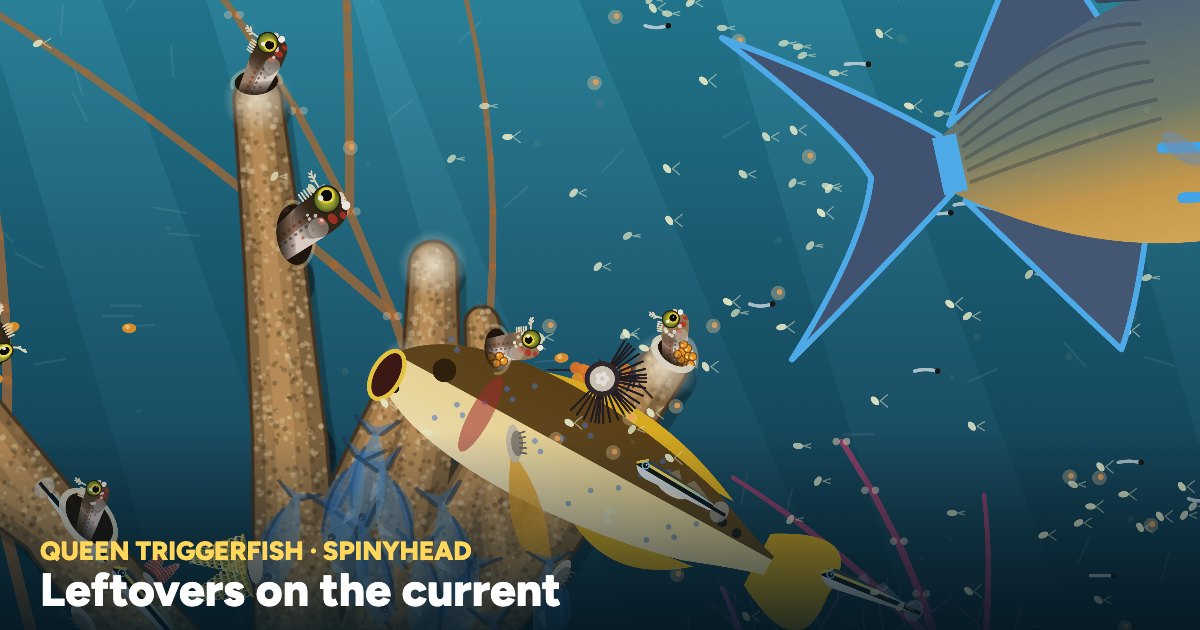
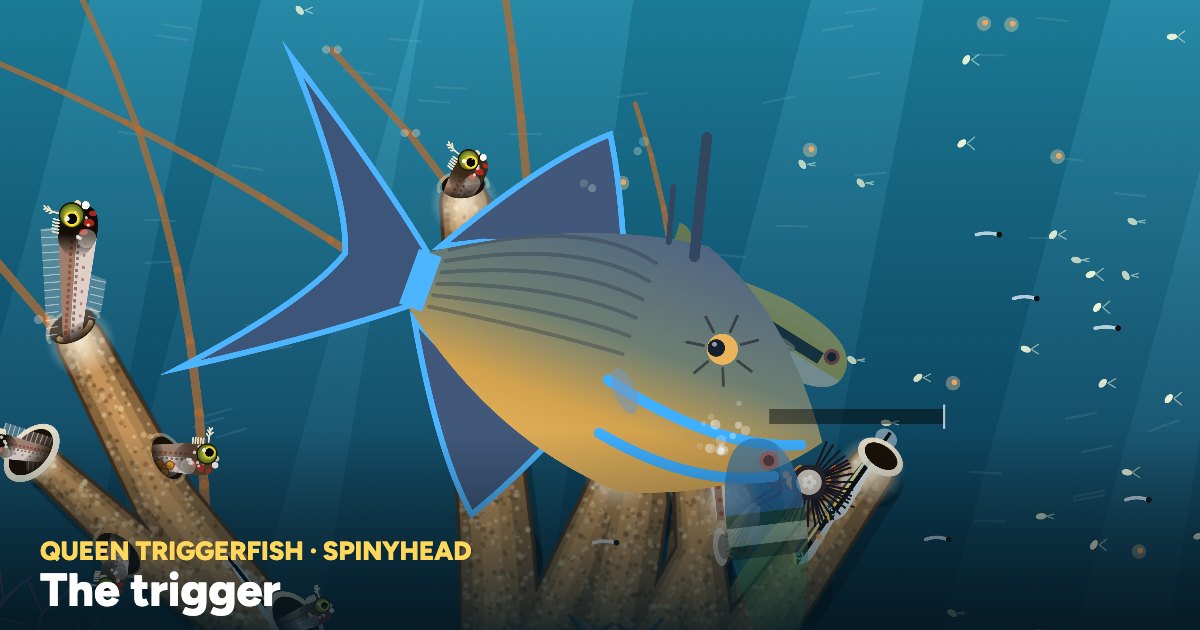
A diver would see blennies sitting with only their heads out of their holes in the coral skeleton. They face into the flow and dart out briefly to snap at particles. In surge the water visibly sways the sea fans and the diver, while the blennies stay at their posts. Poor visibility from suspended sand is typical of rough days.
Who studied it
The effects of water flow on reef fish feeding and distribution have been studied with field observations and laboratory flume experiments. The notebook's source, Finelli, Clarke, Robinson and Buskey (2009, Coral Reefs 28:461), is a laboratory study of how water flow affects the feeding behaviour of reef fishes and their copepod prey, including the spinyhead blenny. Wider work on how turbulence changes plankton encounter rates and prey escape behaviour came from plankton ecology, starting in the late 1980s.
Elsewhere in the animal kingdom
Copepods sense predators through mechanoreceptors that detect fluid disturbances, and turbulence is known to interfere with this in laboratory studies. Turbulence also affects feeding in larval fish in the open ocean, where moderate turbulence is thought to raise encounter rates with prey. Stream fishes such as trout hold stations in current and feed on drifting invertebrates, and filter feeders such as barnacles and corals also depend on flow to bring food.
Doubts and open questions
How much turbulence helps predators in nature is debated, because high flow also makes it harder for a fish to aim a strike and costs energy to hold position. Results from flumes and tanks may not match the complex flows of a real reef, and different fish species and prey types may respond differently.
Related behaviors
- Sit-and-wait ambush predation The predator waits motionless for prey to come within reach, whereas this behaviour concerns how flow changes the success of a strike.
- Flow refuge use Fishes shelter from strong water motion in holes or crevices, rather than continuing to feed in it.
- Water-flow habitat partitioning Species spread across a reef according to the flow each can tolerate, which is a pattern of distribution and not a feeding tactic.
- Escape response in zooplankton This is the prey's side of the interaction, a rapid jump triggered by detecting a predator.
Spinyhead is a free game you play in your browser: you are a spinyhead blenny, a fish about 3 cm long living in a worm hole on a Caribbean coral head. Feed, fight for a better hole, court, raise eggs and dodge predators, while everything around you behaves the way field biologists have seen it behave. Every behavior in the game is backed by a published study or careful observation; there are 38 on these pages, and more in the game’s field notebook waiting to be found.
Other reef behaviors to discover