SpinyheadPlay free
A copepod swarm
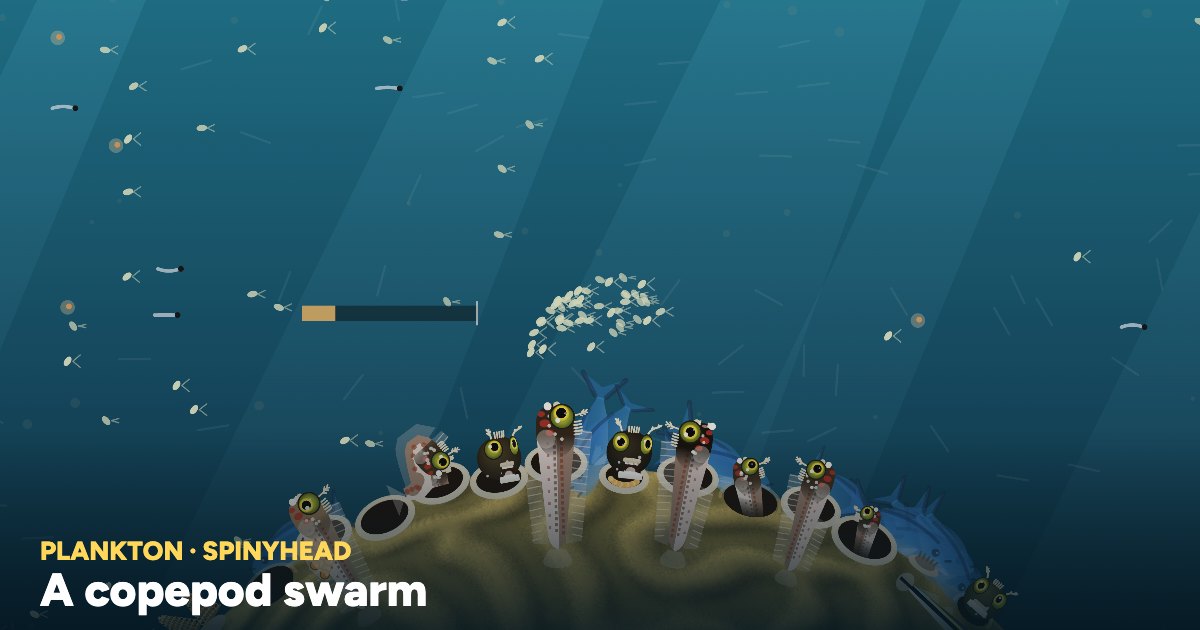
Behavior: Copepod swarming (zooplankton swarming near reef structure; reef-associated or demersal zooplankton aggregation)
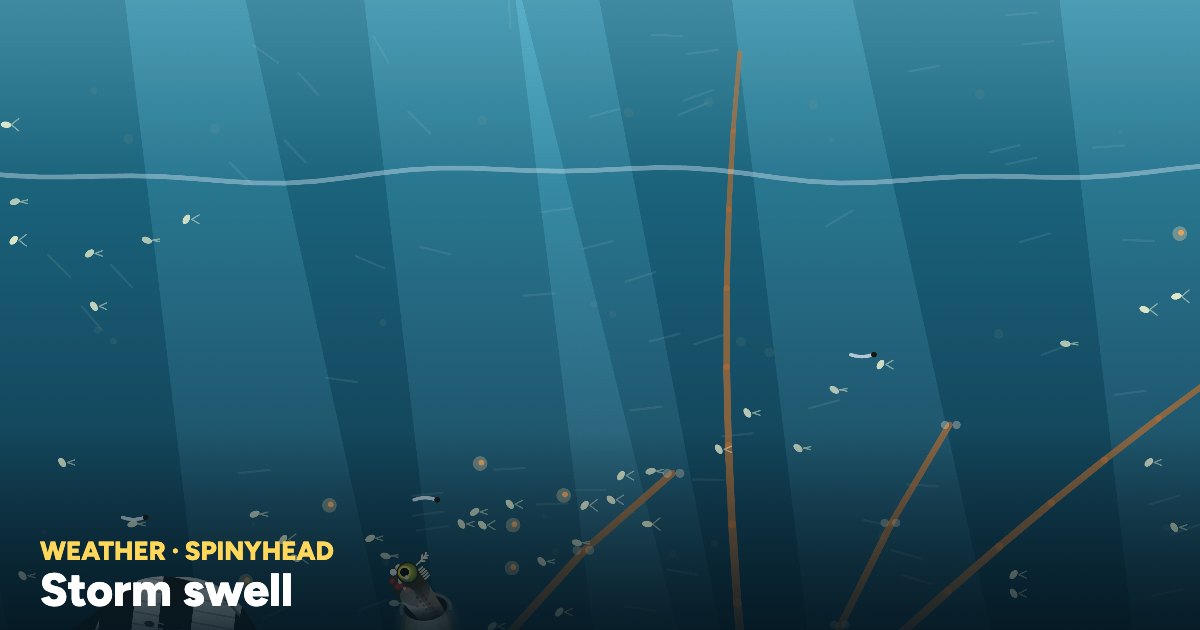
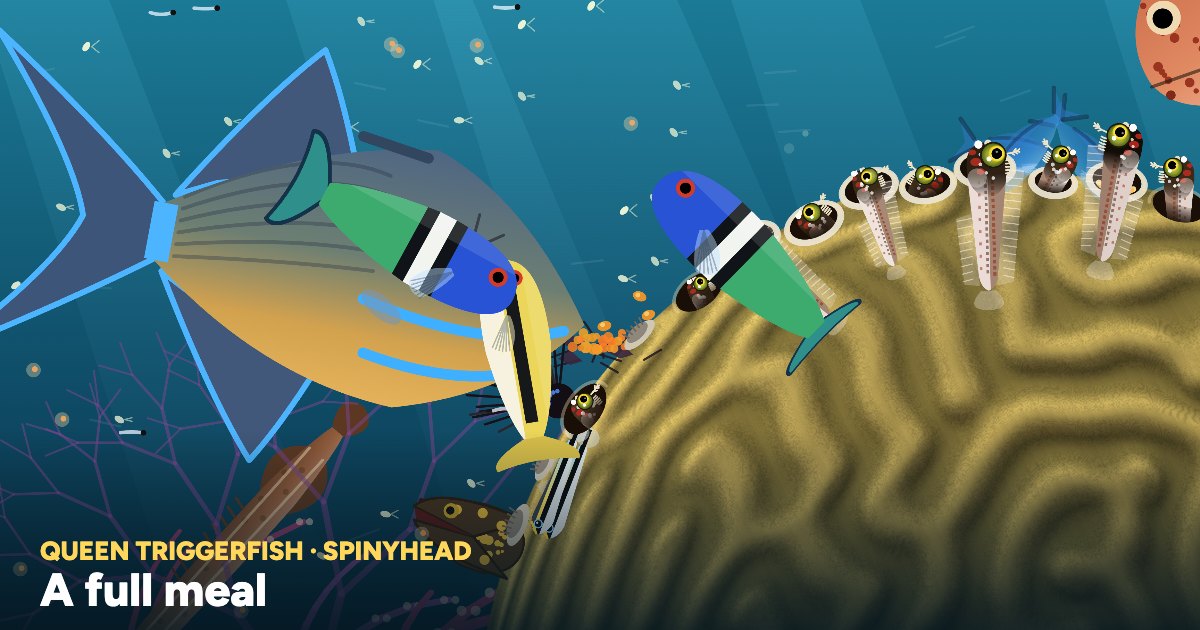
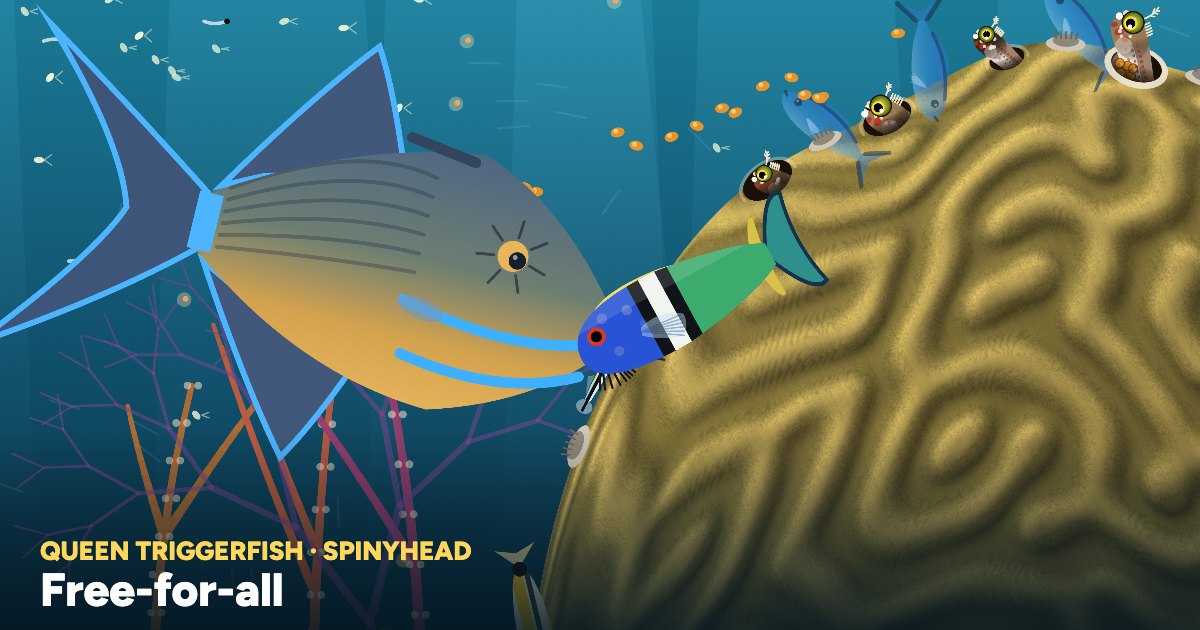
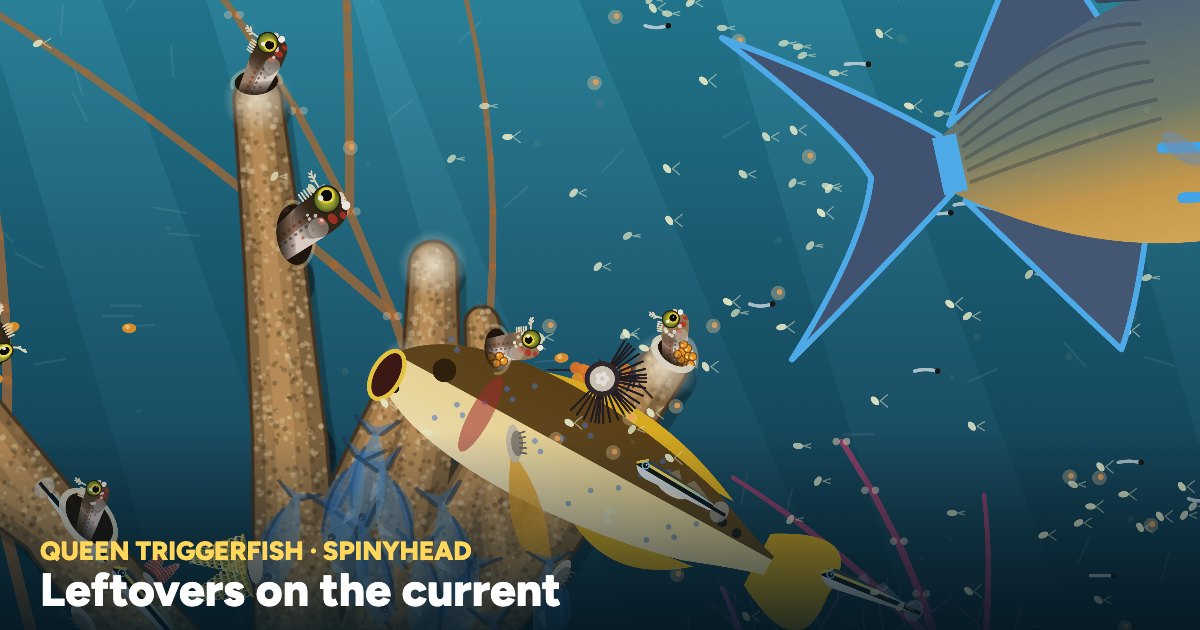
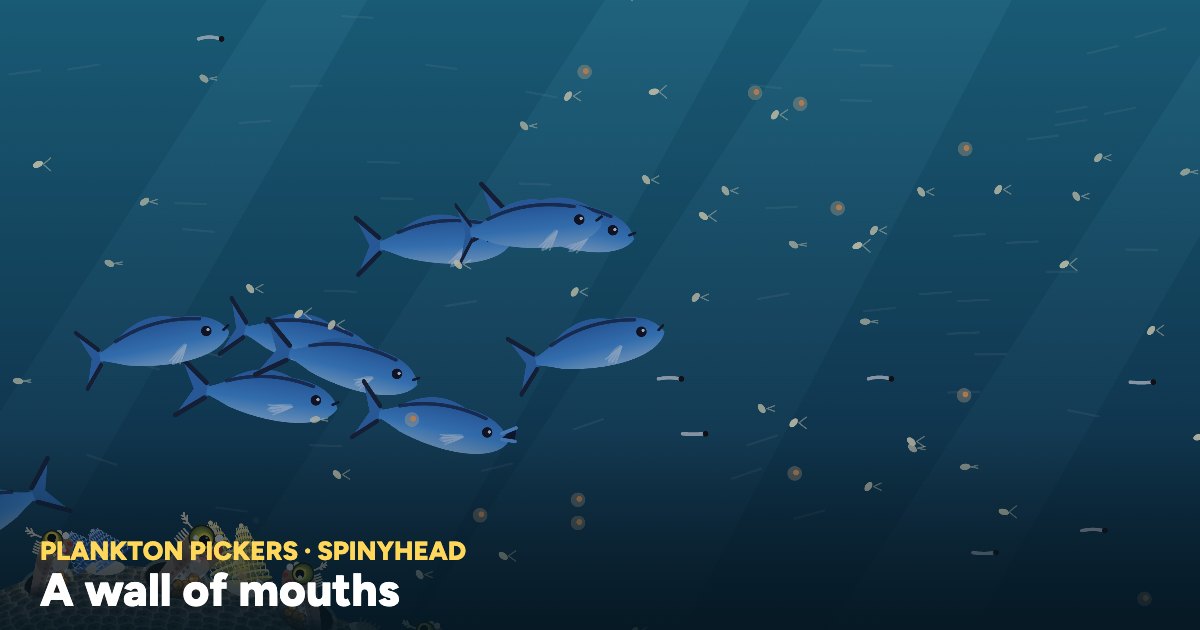
Tiny copepods gather in dense swarms that hold their position close to the reef against the current, in the shelter of the coral. Planktivorous fishes feast on them.
Species involved
- planktonic copepods Copepoda swarming prey, holding station near coral
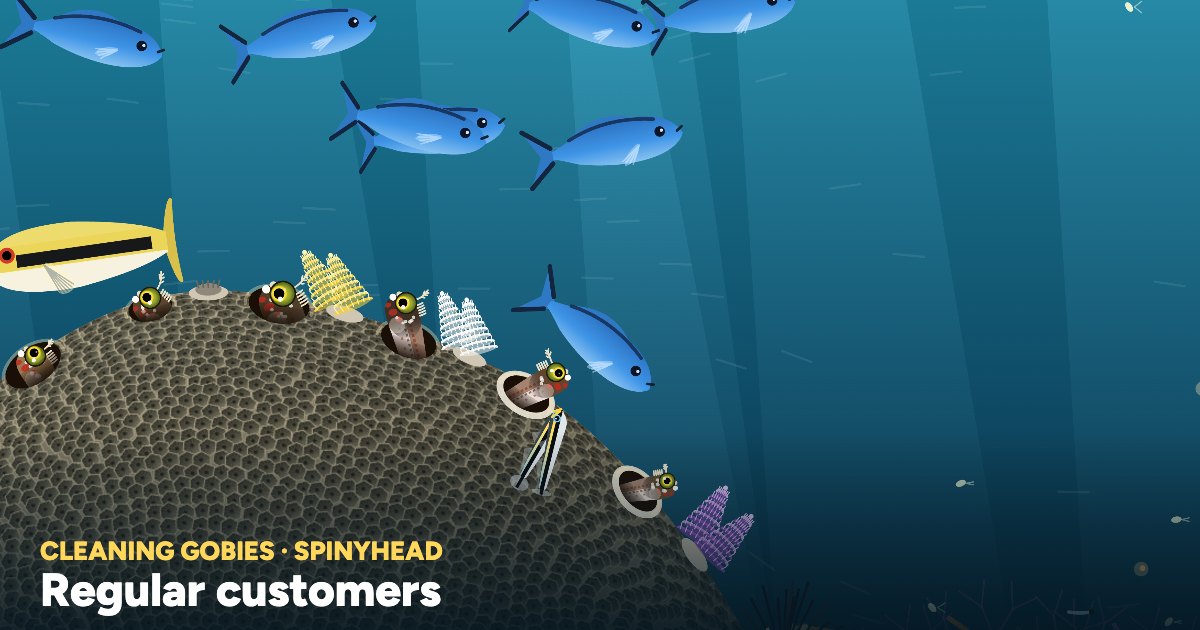
- blue chromis Chromis cyanea planktivore feeding on copepods in the water column
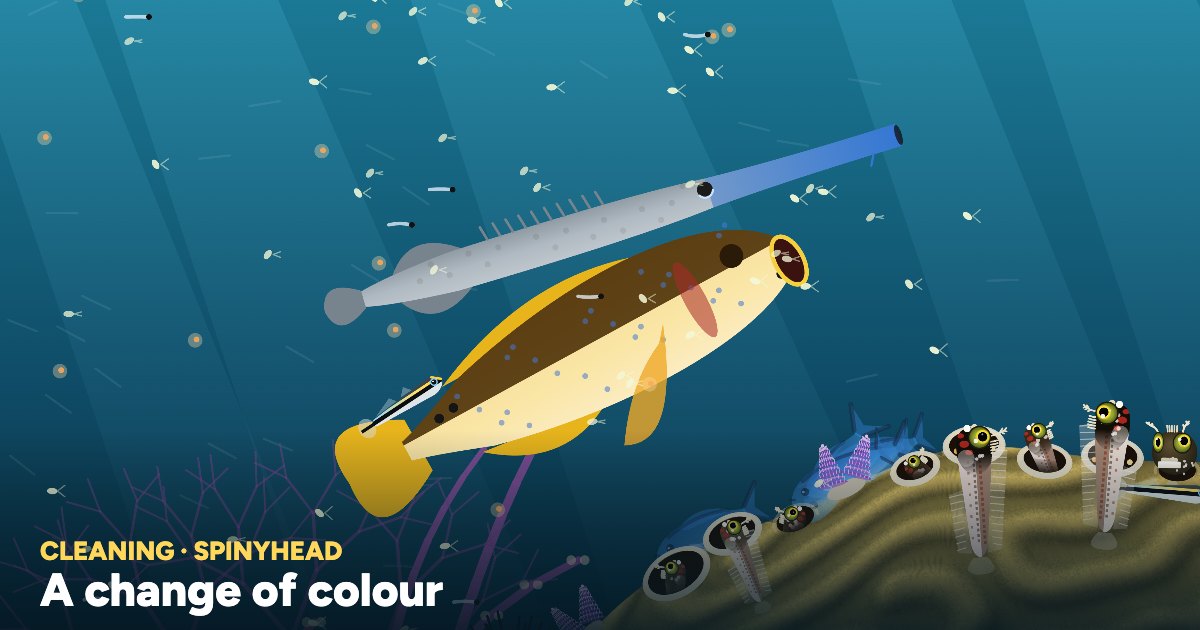
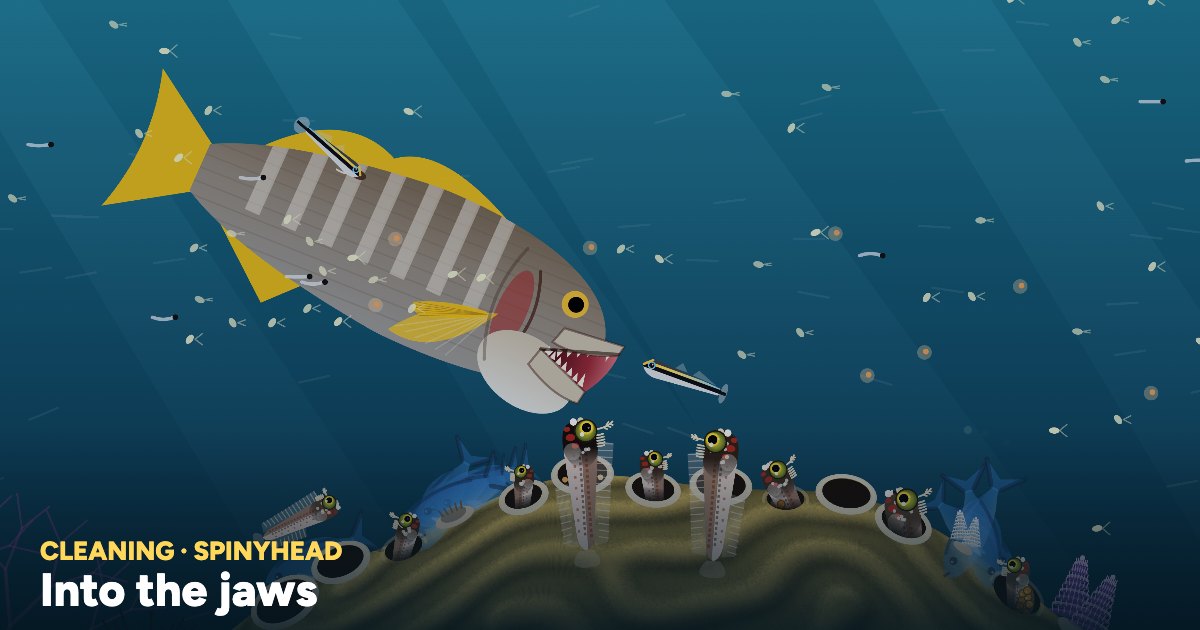
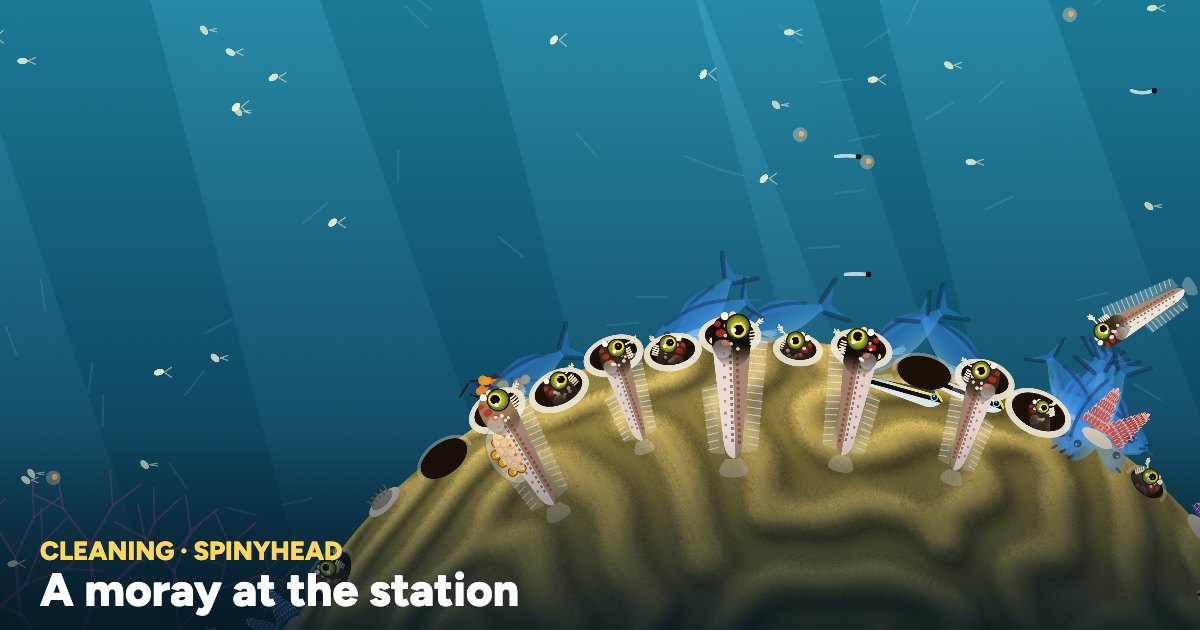
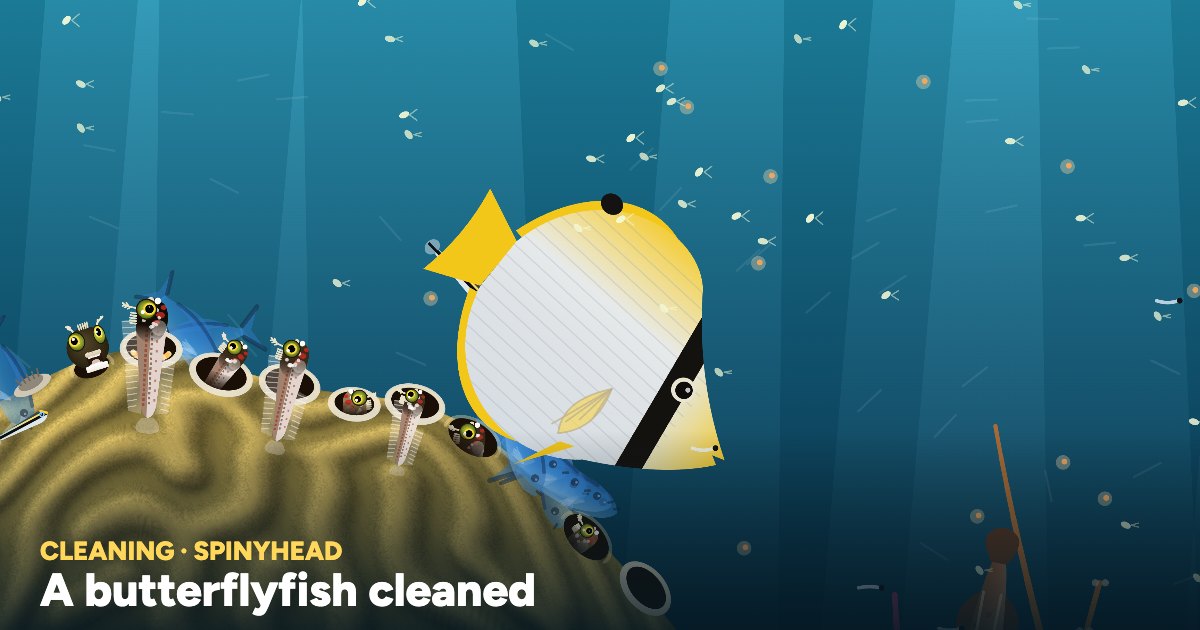
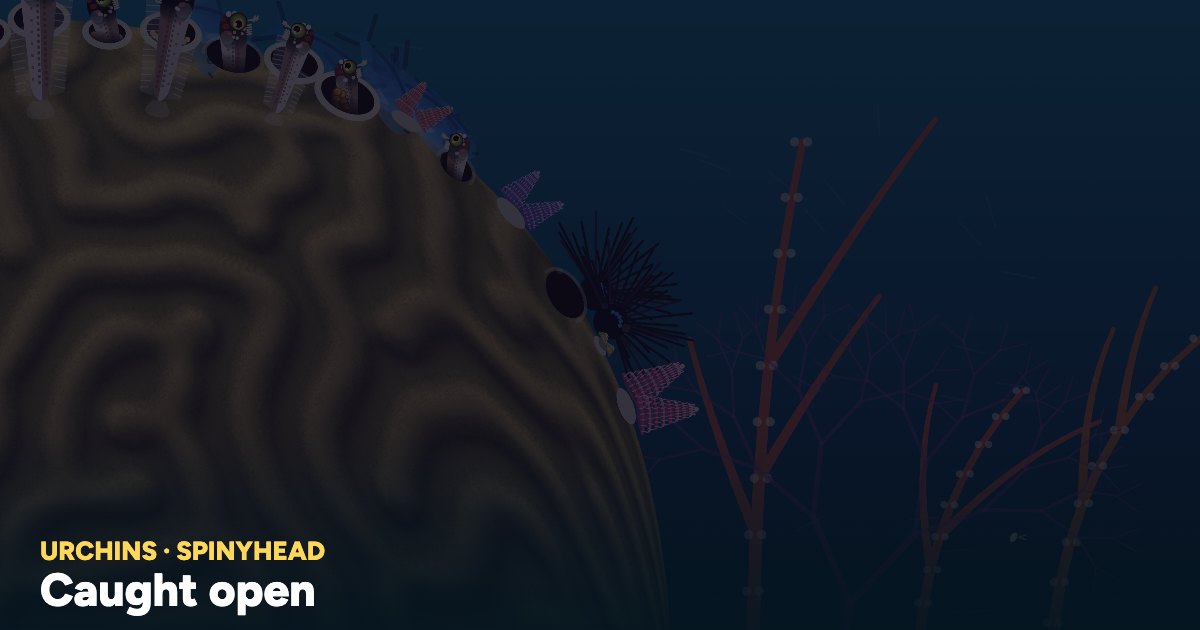
- spinyhead blenny Acanthemblemaria spinosa small planktivore picking copepods from its burrow
- bluehead wrasse Thalassoma bifasciatum planktivorous fish feeding on zooplankton
About copepod swarming (zooplankton swarming near reef structure; reef-associated or demersal zooplankton aggregation)
Swarming is the formation of dense, stationary aggregations of small animals in open water. Some planktonic crustaceans, especially copepods, form swarms close to reef structures such as coral heads, crevices, and the edges of colonies. The individuals hold position in a small patch of water, even when currents are carrying water past them. A swarm can be far denser than the plankton in the surrounding water. Many of the copepods involved are small, free-swimming species that spend the day near the bottom and are not simply drifting.
Why it matters
Swarming probably has several benefits, and which ones matter depends on the species. A swarm that stays beside the reef is not swept away from the habitat. Dense groups may make it easier for individuals to find mates. Staying close to shelter may also lower the risk of being eaten, though swarms are still heavily preyed upon. For the reef community, swarms act as concentrated food patches. Planktivorous fishes feed on them and so convert open-water production into fish biomass near the reef. This is one route by which energy and nutrients are carried onto the reef from the surrounding water.
On coral reefs
A diver may see a faint cloud, haze, or shimmering patch hovering just above or beside a coral head or in a crevice, often over a small area. The cloud stays in place while the water moves. Small fishes dart into it and pick off individual copepods. Swarms are easiest to see in daytime light, and the individual animals are only a millimetre or so long.
Who studied it
The notebook cites Hamner & Carleton 1979 (Limnology and Oceanography 24:1), a study of copepod swarms and their role in coral reef ecosystems. It described the swarms' structure and behaviour and considered their importance as food for reef animals. Earlier work on zooplankton near reefs showed that the plankton over a reef is not the same as the plankton in the open ocean. This helped establish the idea of a distinct reef or demersal plankton.
Elsewhere in the animal kingdom
Swarming occurs in many groups of small animals. Antarctic krill form huge swarms in the open ocean, and some mysid shrimps swarm in shallow water. On land, midges and mayflies form mating swarms. Copepod swarms are known from various coastal habitats beyond coral reefs, including mangrove and seagrass areas.
Doubts and open questions
The adaptive function of swarming is not fully settled. Mating, predator avoidance, and simple attraction to shelter or light are all proposed, and they are not mutually exclusive. Some swarms may be a by-product of animals orienting to structure, not a coordinated group behaviour.
Related behaviors
- diel vertical migration Zooplankton move up and down the water column on a daily cycle, whereas swarming holds a group in place around a structure.
- schooling Fish schools are coordinated groups that move together, whereas copepod swarms are dense aggregations that mostly hold station.
- nocturnal emergence of demersal zooplankton Bottom-dwelling zooplankton rise into the water at night, whereas swarms form close to the reef, mainly in daytime.
- mating swarms Insect swarms form specifically for mating, whereas copepod swarms probably serve several purposes.
Spinyhead is a free game you play in your browser: you are a spinyhead blenny, a fish about 3 cm long living in a worm hole on a Caribbean coral head. Feed, fight for a better hole, court, raise eggs and dodge predators, while everything around you behaves the way field biologists have seen it behave. Every behavior in the game is backed by a published study or careful observation; there are 38 on these pages, and more in the game’s field notebook waiting to be found.
Other reef behaviors to discover