 SpinyheadPlay free
Spinyhead blenny Acanthemblemaria spinosa

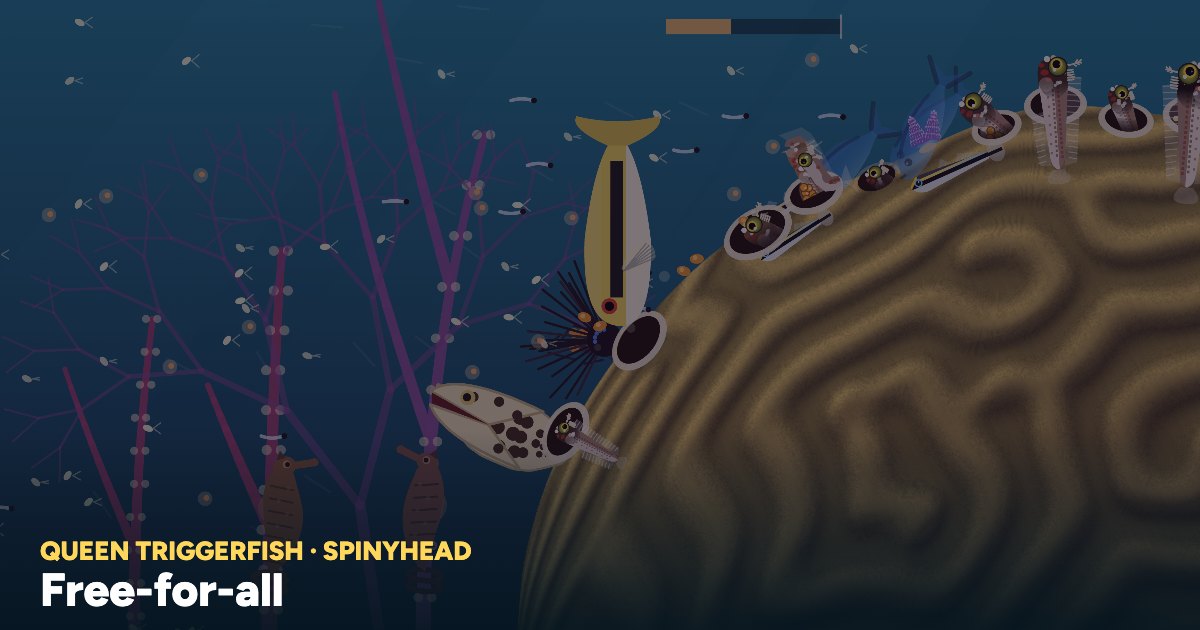
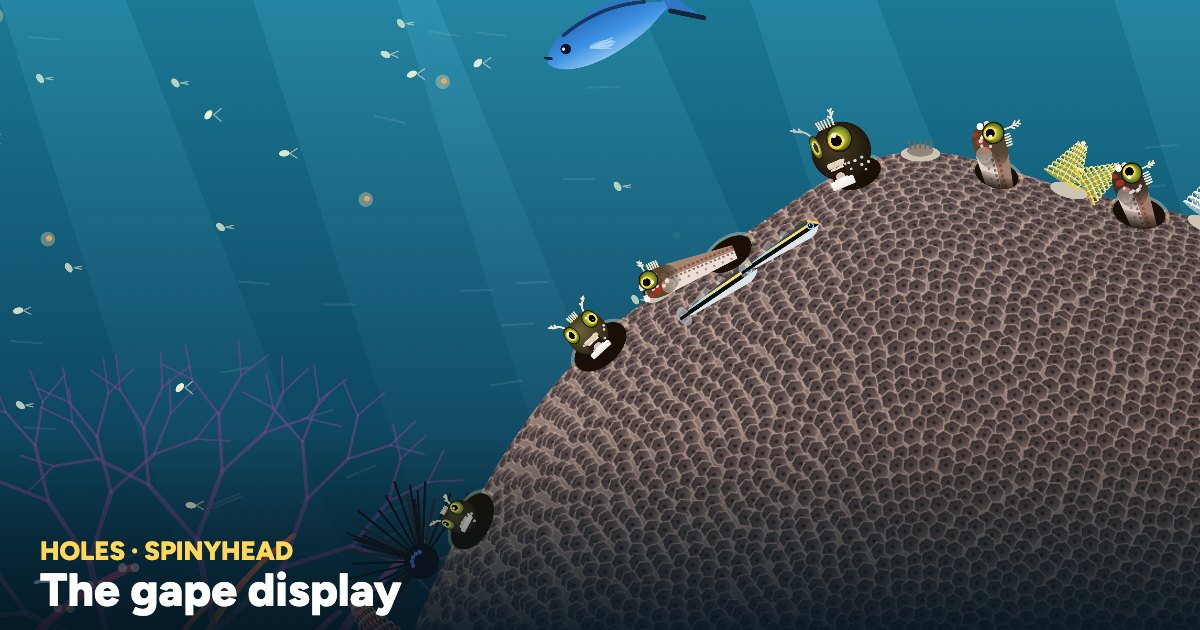
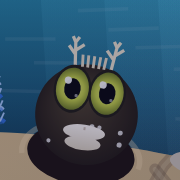
The spinyhead blenny is a tiny, elongate tube blenny that lives with only its head poking out of a small hole in dead coral rock. It is named for the spiny ridges and projections on top of its head, which are unusual among blennies. It is easy to overlook because it is so small and retreats into its hole when approached. It spends nearly all its life at or near its chosen hole, darting out briefly to snap at food.
How to recognize it
- tiny, slender, scaleless body
- head peeking from a small hole
- spines and bony ridges on the head
- eyes set high on a blunt head
- long dorsal fin running down the back
- body often mottled or barred in brown and tan
| Size | Typically about 2 to 3 cm long; maximum about 3 to 4 cm. |
|---|---|
| Range | Tropical western Atlantic, mainly the Caribbean Sea and nearby waters, including the southern Caribbean islands such as Curaçao, where it was first described. |
| Habitat | Coral reefs, where it occupies small holes in dead coral rock and old worm or barnacle burrows. It is found from shallow water down to moderate depths, usually within a few tens of metres of the surface. |
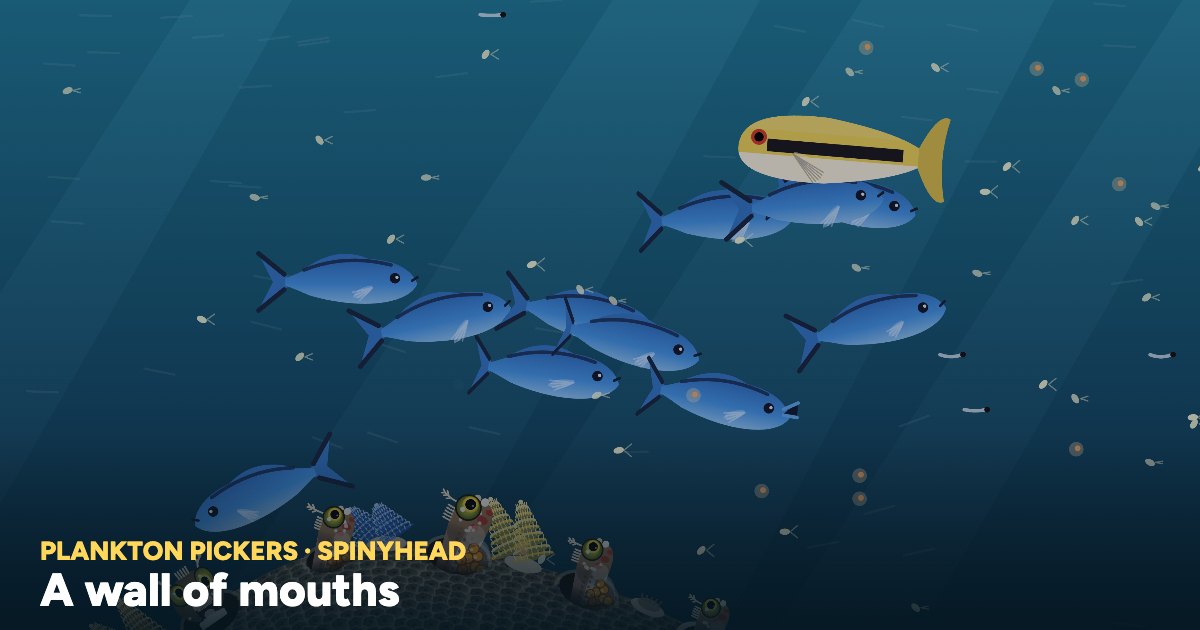
| Diet | Feeds mainly on small zooplankton, such as copepods and other tiny crustaceans. It watches from the mouth of its hole and darts out a short distance to snap up passing prey. |
| Conservation | Not known to be assessed as threatened and not targeted by fisheries. Because it depends on dead coral rock with holes, it could be affected by reef degradation, though its small size and use of rubble and dead coral may make it fairly tolerant. |
Life and behavior
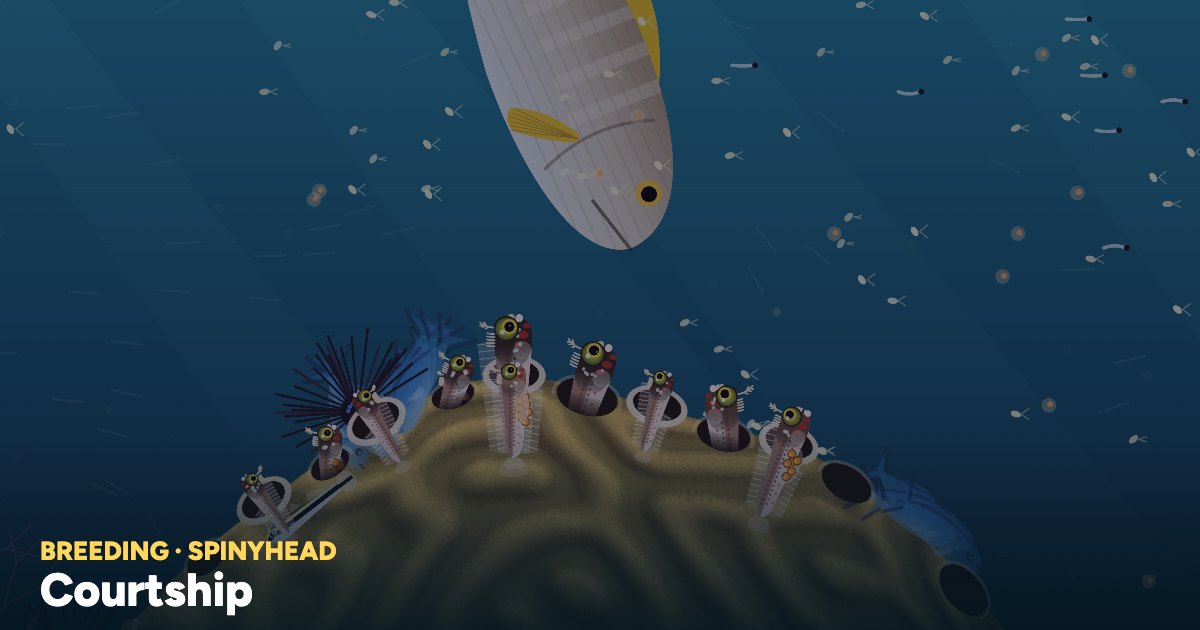
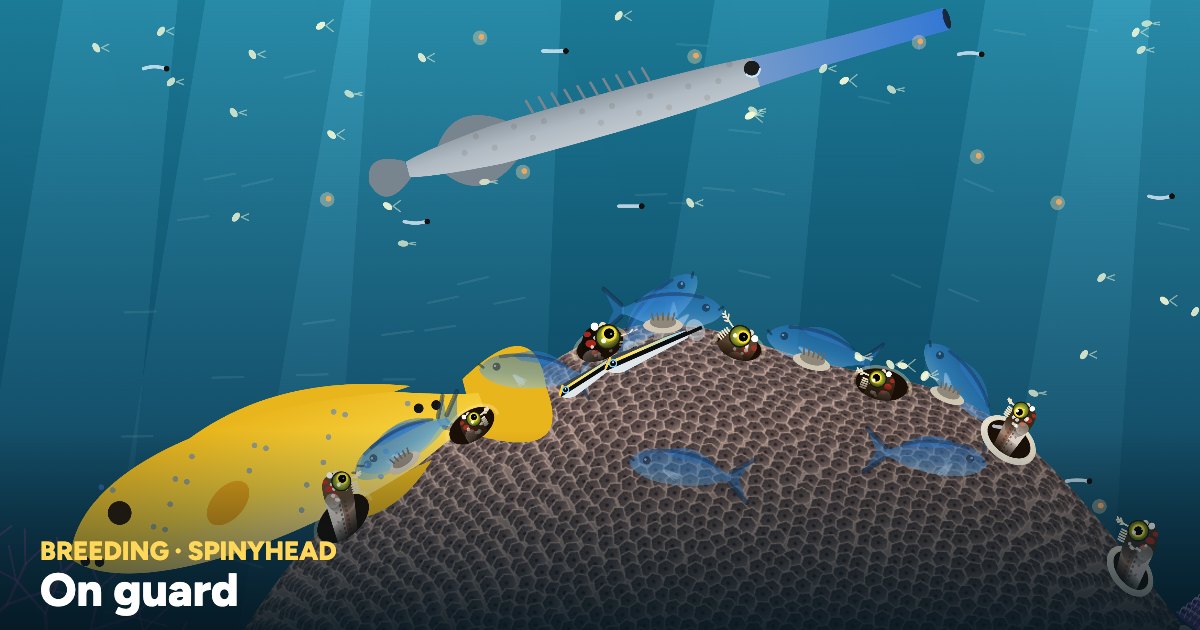
Each blenny defends a hole and often stays in or very near it for long periods, displaying at neighbours that come too close. Like other tube blennies, it lays eggs inside the hole, and the male guards the egg mass. The eggs hatch into planktonic larvae that drift in the open sea before settling on a reef and taking up a hole. Holes are a limited resource on many reefs, so competition for suitable shelter can be important. Detailed life-history data for this species are limited.
Its family: Tube blennies (Chaenopsidae)
Tube blennies are small, mostly scaleless, elongate fishes of the tropical Americas. Most live in empty shells, worm tubes or holes in rock and coral, and many sit with just the head showing. They typically eat small plankton or tiny invertebrates, and males guard eggs laid inside the shelter.
Similar species
- Roughhead blenny Acanthemblemaria aspera Also a small, spiny-headed hole-dweller, so the two look alike at a glance. Telling them apart requires a close look at the pattern of head spines and the colouring.
- Papillose blenny Acanthemblemaria chaplini A similar hole-dwelling tube blenny with a spiny head. Separation relies on fine head spination and markings rather than overall shape.
- Secretary blenny Acanthemblemaria maria A related hole-dwelling species that is generally somewhat larger and has different head spines and colouring.