SpinyheadPlay free
Lying low
Behavior: Parasite-altered host behaviour (host behavioural change under parasitism)
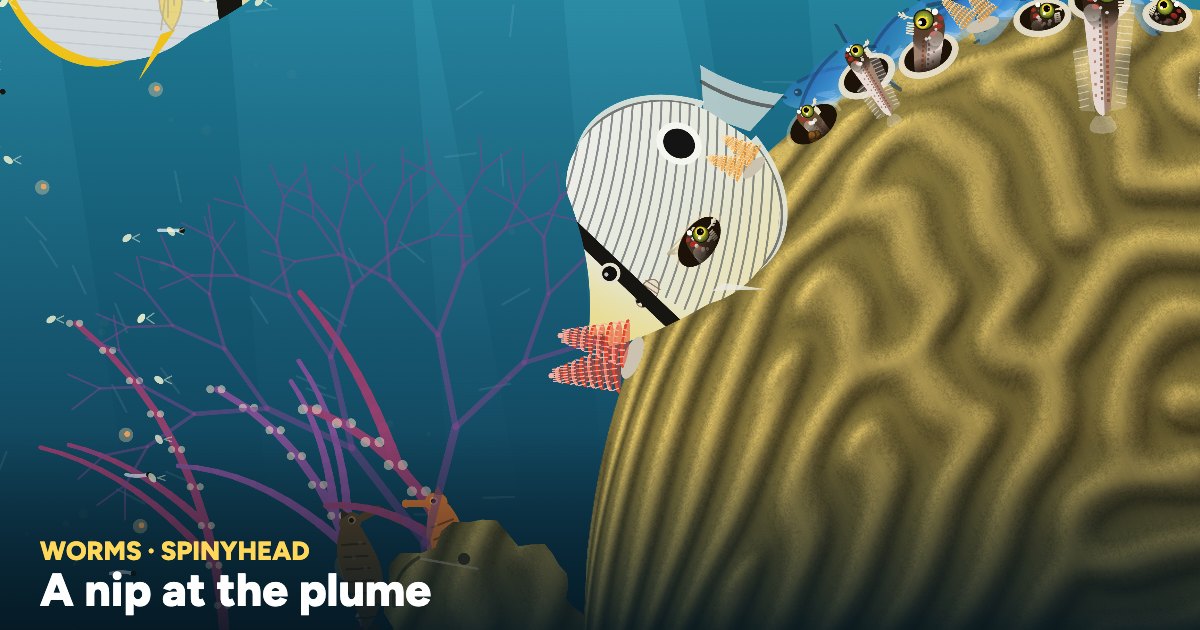
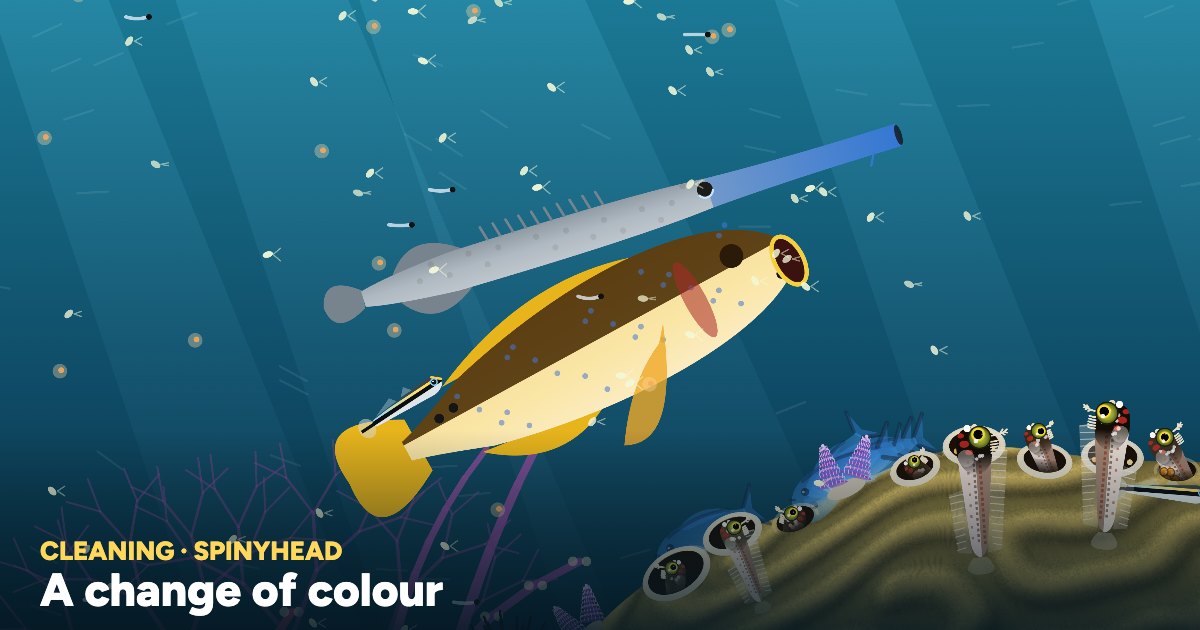
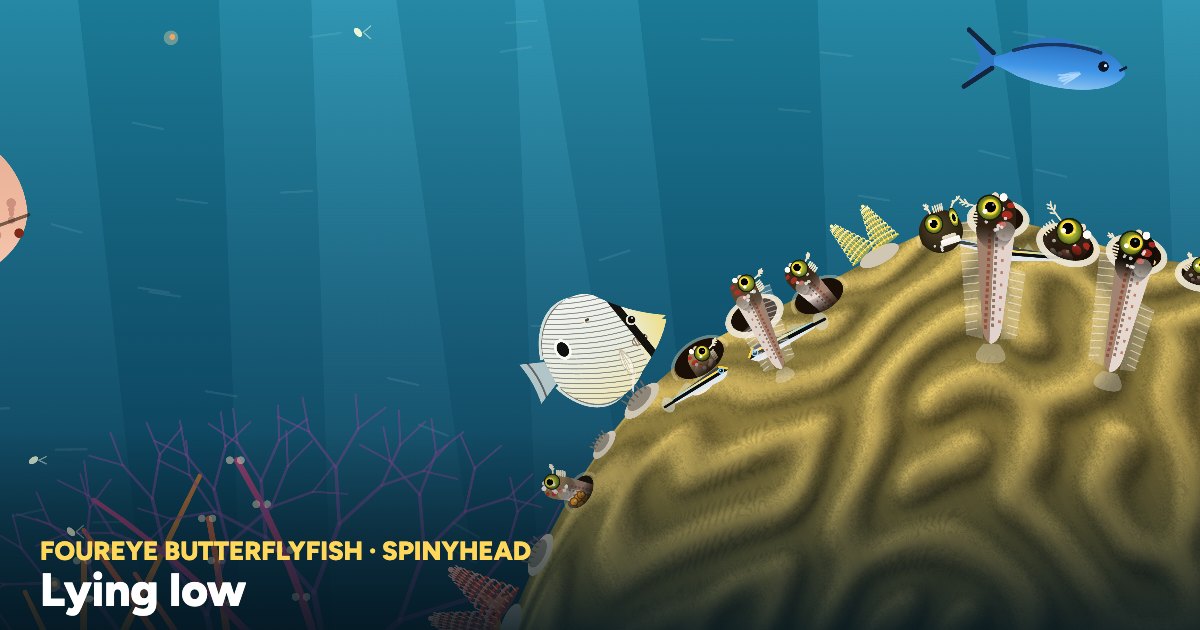
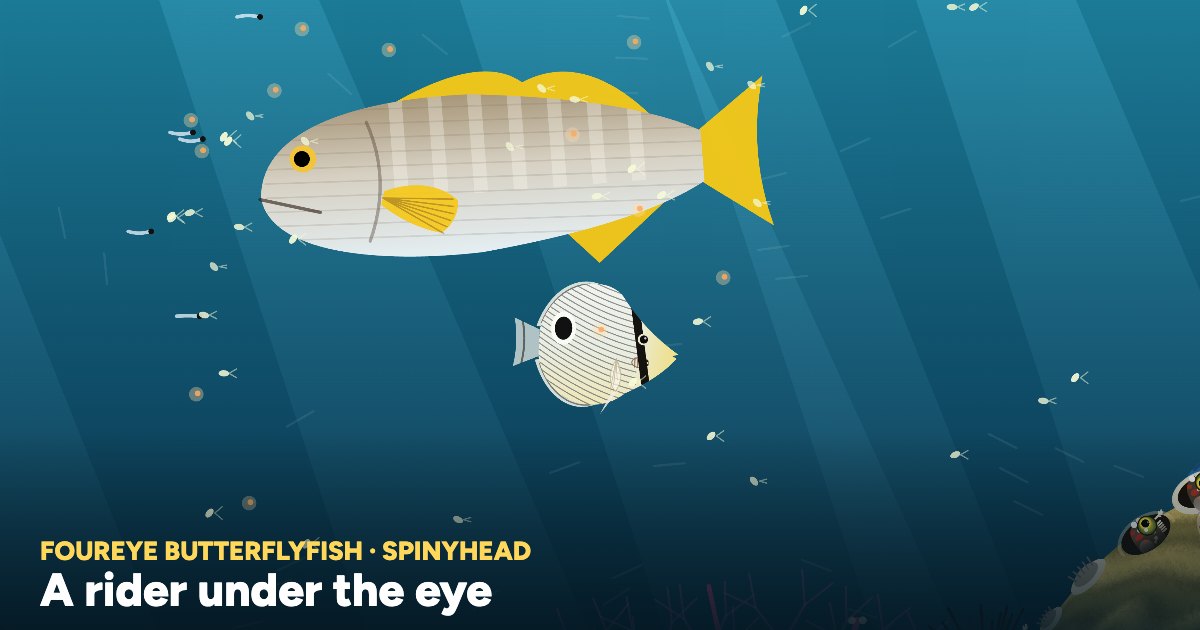
Foureyes carrying Anilocra spend over four times as long sheltering in low-flow spots under overhangs, and feed less. Calm water may help the isopod’s young find new hosts.
Species involved
- foureye butterflyfish Chaetodon capistratus host that shelters more and feeds less
- parasitic isopod Anilocra chaetodontis Anilocra chaetodontis external parasite attached to the host fish
About parasite-altered host behaviour (host behavioural change under parasitism)
Parasite-altered host behaviour is the change in how an infected animal behaves compared with uninfected animals of its species. Changes include shifts in activity, habitat use, feeding, or response to predators. Here the host is a foureye butterflyfish carrying the isopod Anilocra, a crustacean that clamps onto the fish's body and feeds on it. According to the notebook, infected fish spend over four times as long sheltering in low-flow spots under overhangs, and they feed less.
Why it matters
For the host, more time in shelter and less time feeding probably means less energy intake, and it may also change its exposure to predators. For the parasite, the notebook suggests that calm water may help its young find new hosts. Whether the shift benefits the isopod, the fish, neither or both is a separate question from whether it occurs. At the population level, parasites that change host behaviour can alter how hosts use space and food, with possible knock-on effects for the animals and algae around them.
On coral reefs
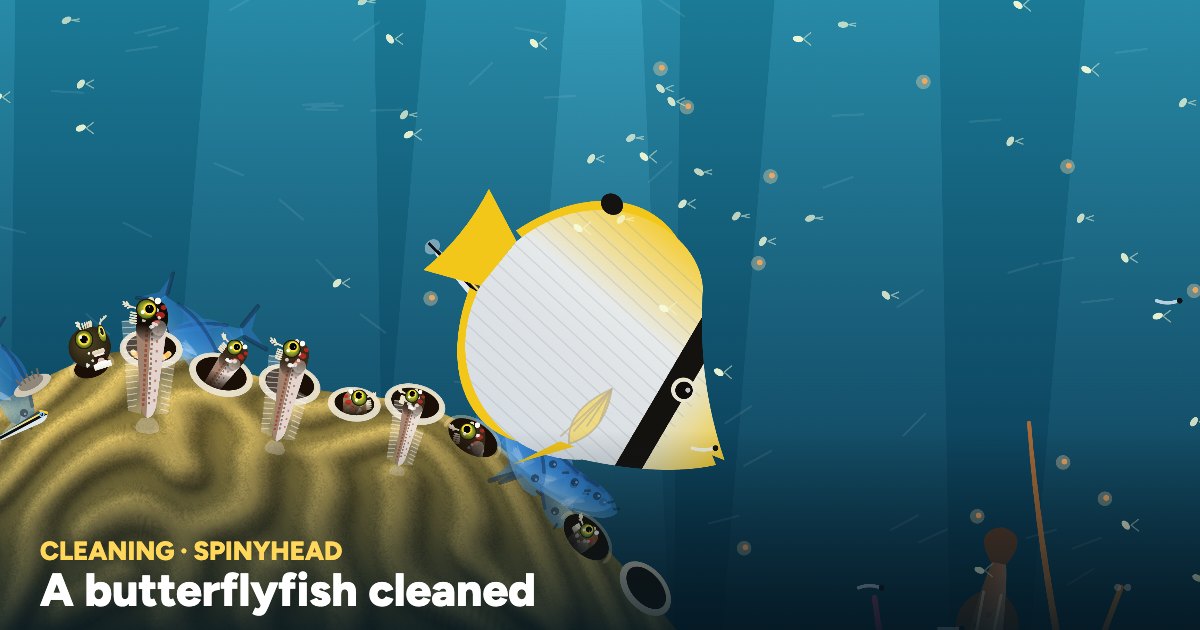
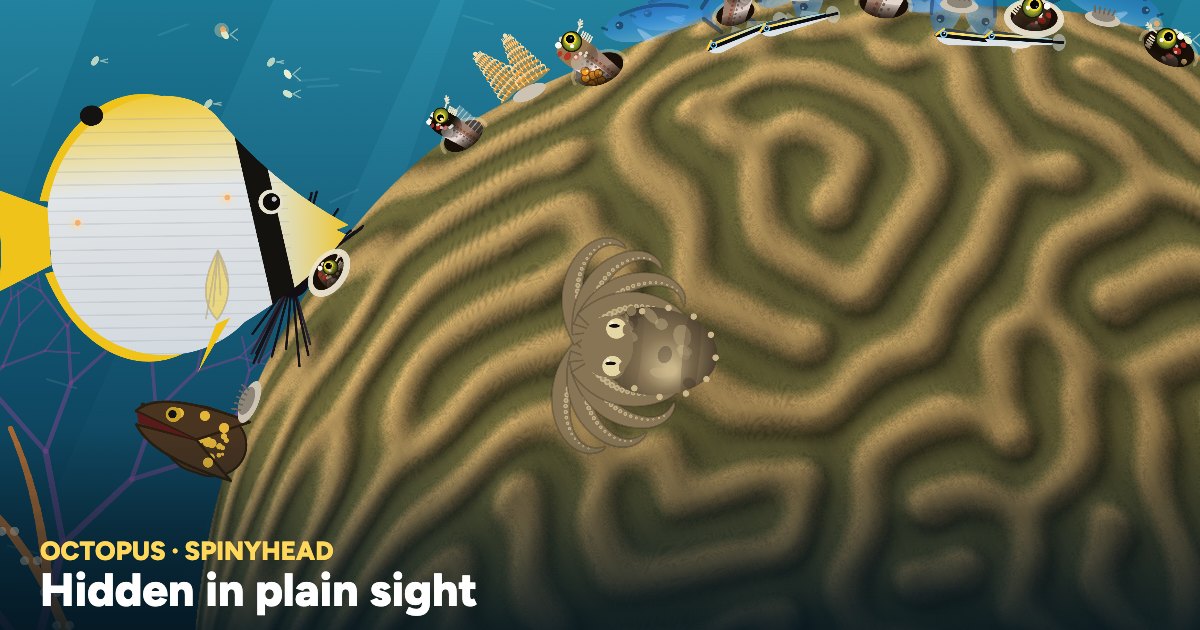
A diver would see a butterflyfish, often one of a pair, with a pale, bean-shaped isopod on its flank or near the head. The fish may be found tucked under ledges and overhangs, in sheltered, low-current pockets, rather than cruising open reef picking at prey. Unparasitised foureyes generally spend more time moving and feeding over open reef.
Who studied it
The idea that parasites can change host behaviour grew out of studies in the 1970s, notably Holmes and Bethel's work on acanthocephalan worms in amphipods. Later reviews showed that the pattern is widespread and that it is hard to tell adaptive manipulation from side effects. The notebook entry draws on Meadows & Meadows 2003 (Revista de Biología Tropical 51, Suppl. 4:77), which compared the behaviour of foureye butterflyfish with and without Anilocra.
Elsewhere in the animal kingdom
Well-known examples include the California killifish infected with a trematode, which swims conspicuously and is more easily eaten by birds, and gammarid amphipods with acanthocephalans. Others are crickets driven to water by hairworms, ants gripping vegetation under the fungus Ophiocordyceps, and rodents infected with Toxoplasma that lose some of their fear of cats. Behavioural change in fishes with external crustacean parasites is less dramatic than these cases but is documented in several groups.
Doubts and open questions
A behavioural change in an infected animal can be manipulation that benefits the parasite, a defence or compensation by the host, or a by-product of illness, blood loss or energy cost. The notebook's wording that calm water 'may help' the isopod's young find hosts is a hypothesis, not a demonstrated benefit to the parasite. Showing it would require evidence that sheltering actually raises transmission.
Related behaviors
- sickness behaviour A general host response to infection that conserves energy and may reduce spread, rather than a change that benefits the parasite.
- parasite manipulation of intermediate hosts (trophic transmission) The parasite changes host behaviour so that the host is more likely to be eaten by the next host in its life cycle, rather than helping offspring find hosts.
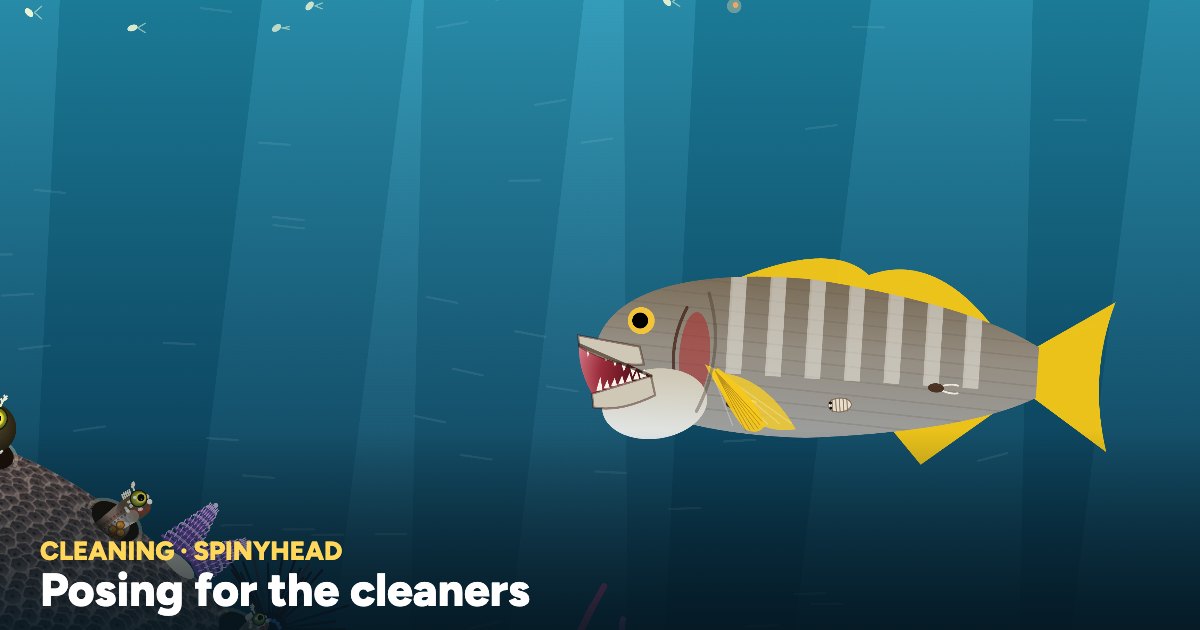
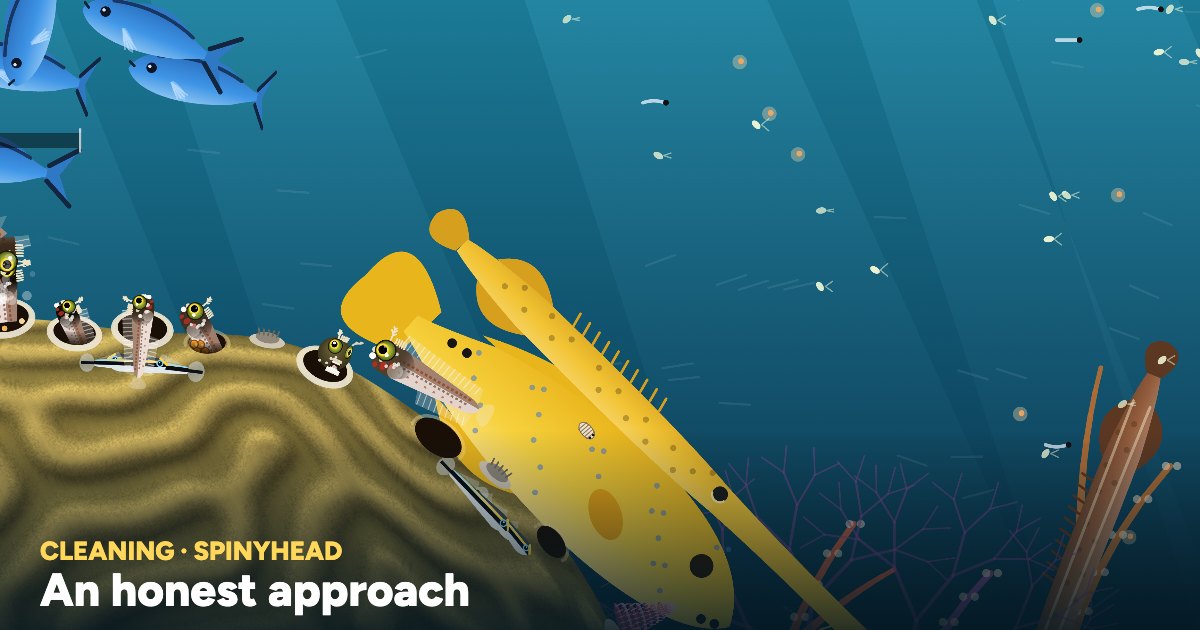
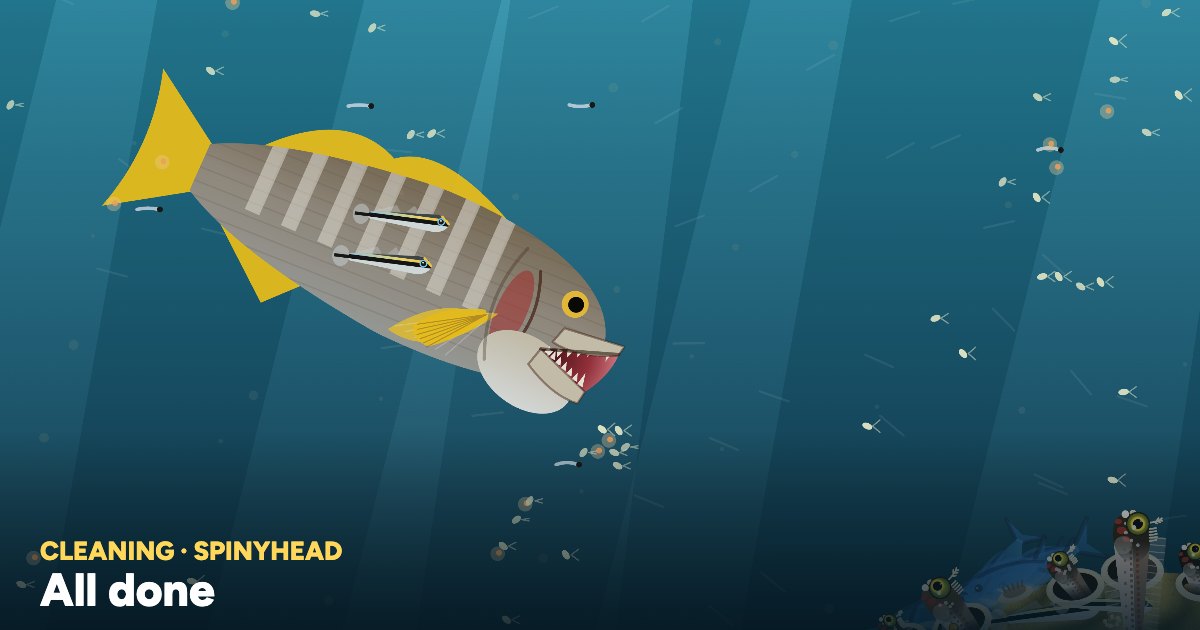
- cleaning symbiosis Fish seek out cleaners to remove their parasites, rather than changing habitat use in response to parasite load.
- behavioural fever Infected animals choose warmer conditions to fight infection, a host defence rather than a parasite advantage.
Spinyhead is a free game you play in your browser: you are a spinyhead blenny, a fish about 3 cm long living in a worm hole on a Caribbean coral head. Feed, fight for a better hole, court, raise eggs and dodge predators, while everything around you behaves the way field biologists have seen it behave. Every behavior in the game is backed by a published study or careful observation; there are 71 on these pages, and more in the game’s field notebook waiting to be found.
More foureye butterflyfish
Other reef behaviors to discover