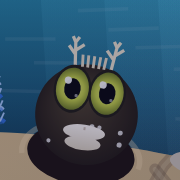
 SpinyheadPlay free
A new owner

Behavior: Infanticide (egg cannibalism by a male taking over a nest)
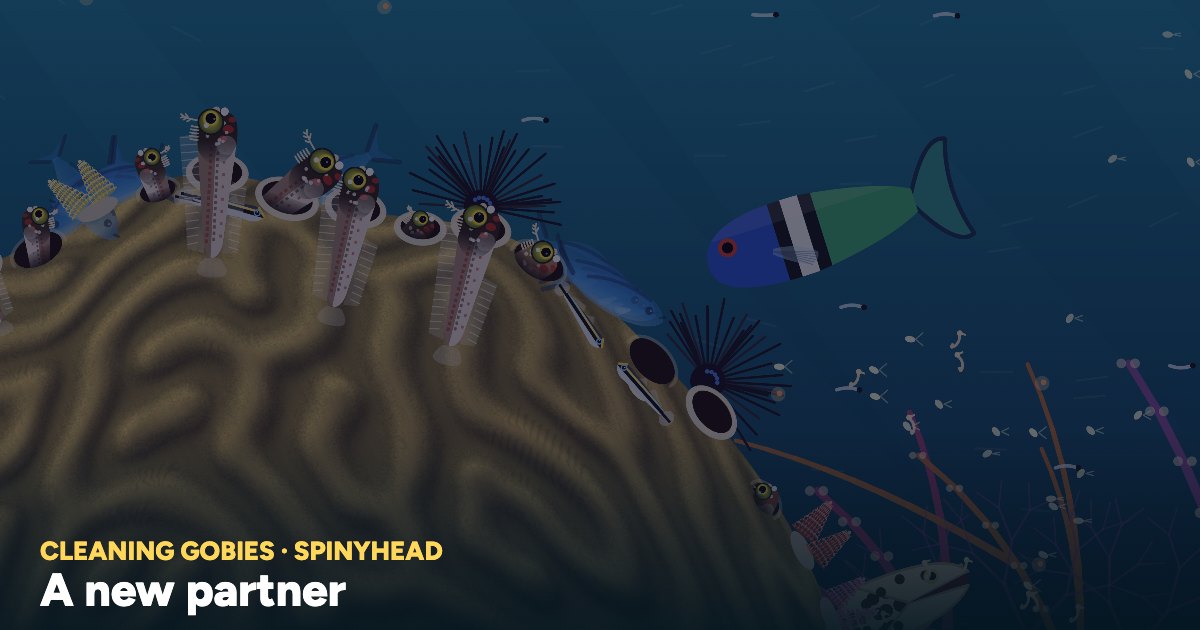
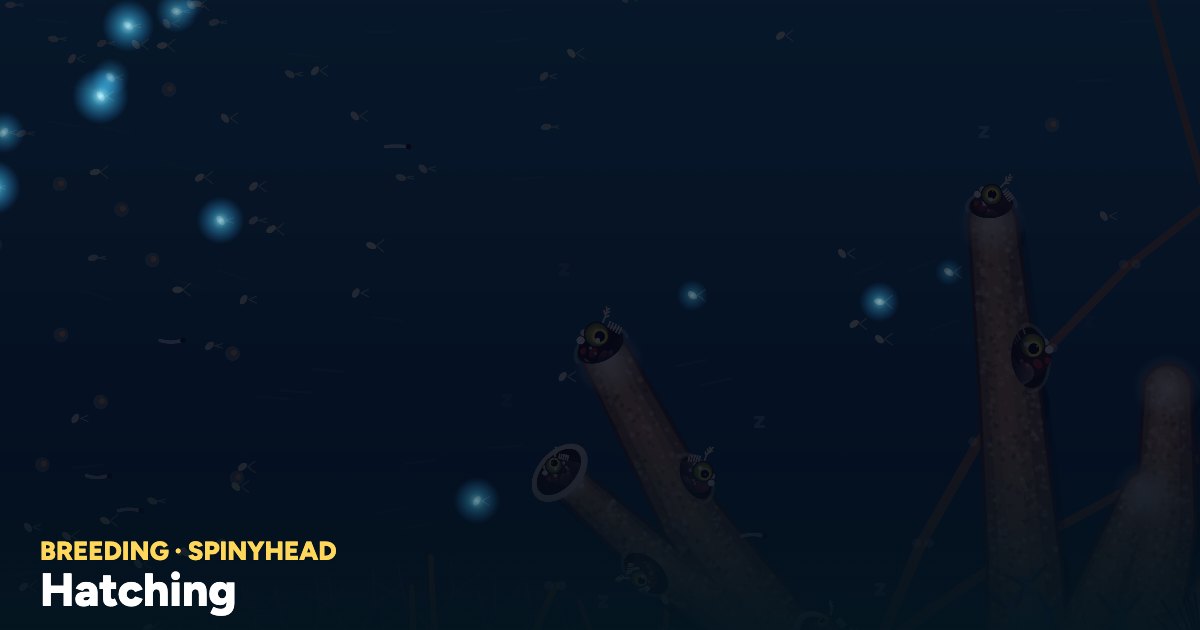
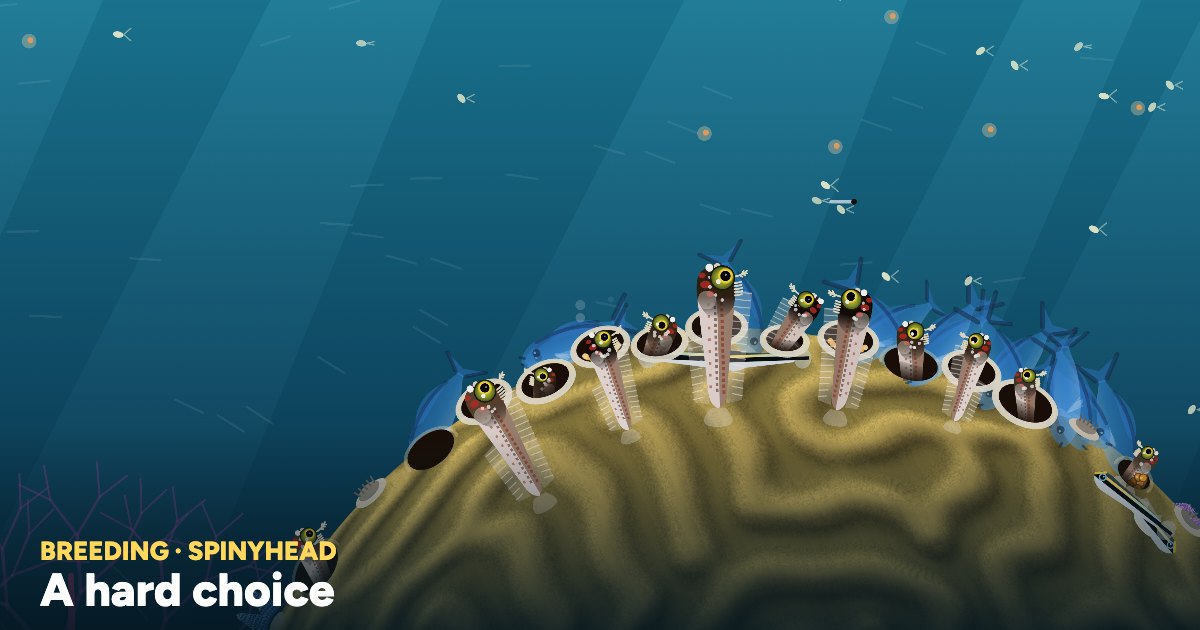
A male who takes over a hole with another male’s eggs in it eats them before he breeds there himself.
Species involved
- spinyhead blenny Acanthemblemaria spinosa new male that takes over a hole and eats the previous male's eggs
About infanticide (egg cannibalism by a male taking over a nest)
Infanticide in the broad sense means killing the young of other individuals of the same species. In nest-guarding fishes it often takes the form of eggs being eaten by a male that did not father them. In the notebook's scenario, a male moves into a hole that already holds another male's eggs. He eats them before spawning there himself. This differs from filial cannibalism, where a male eats his own eggs. The notebook gives no source, so it is not clear from the entry whether this has been recorded in wild spinyhead blennies.
Why it matters
Eating the eggs removes the previous male's offspring, so the new male does not spend time and energy guarding young that are not his. The eggs also give him a meal while he is guarding and feeding less. Clearing the nest lets him fill it with his own clutch, so the hole is used for his reproduction. For the previous male, losing a clutch is a total loss of that reproductive effort. Where good holes are scarce, this makes holding a hole more valuable and takeovers more costly. It may also increase competition among males for nest sites.
On coral reefs
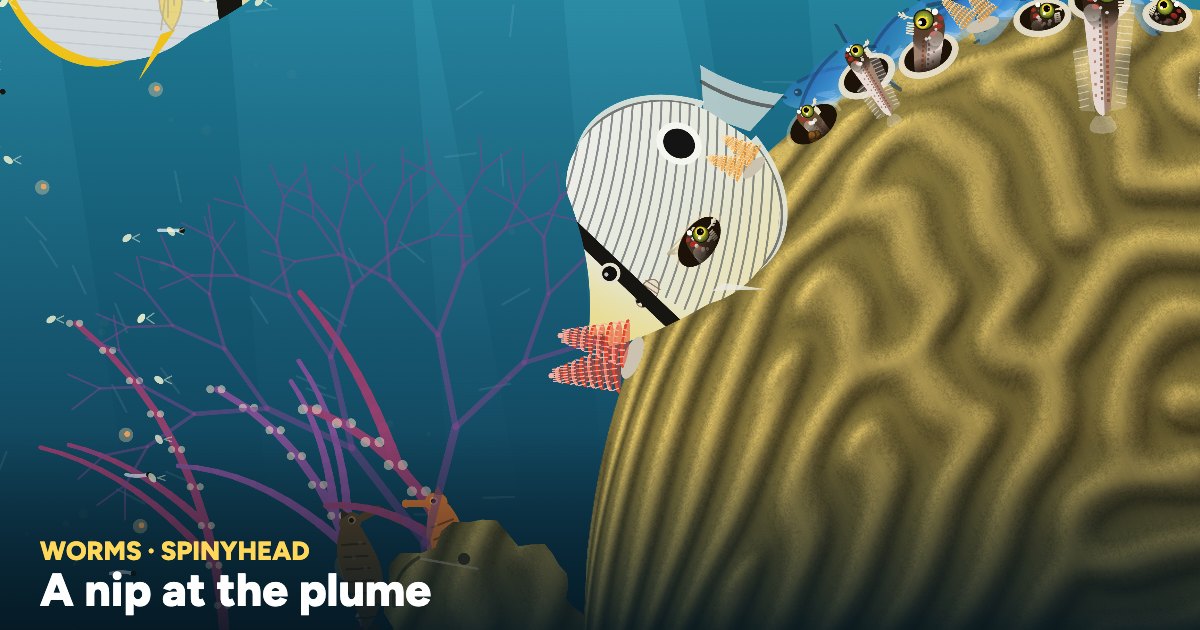
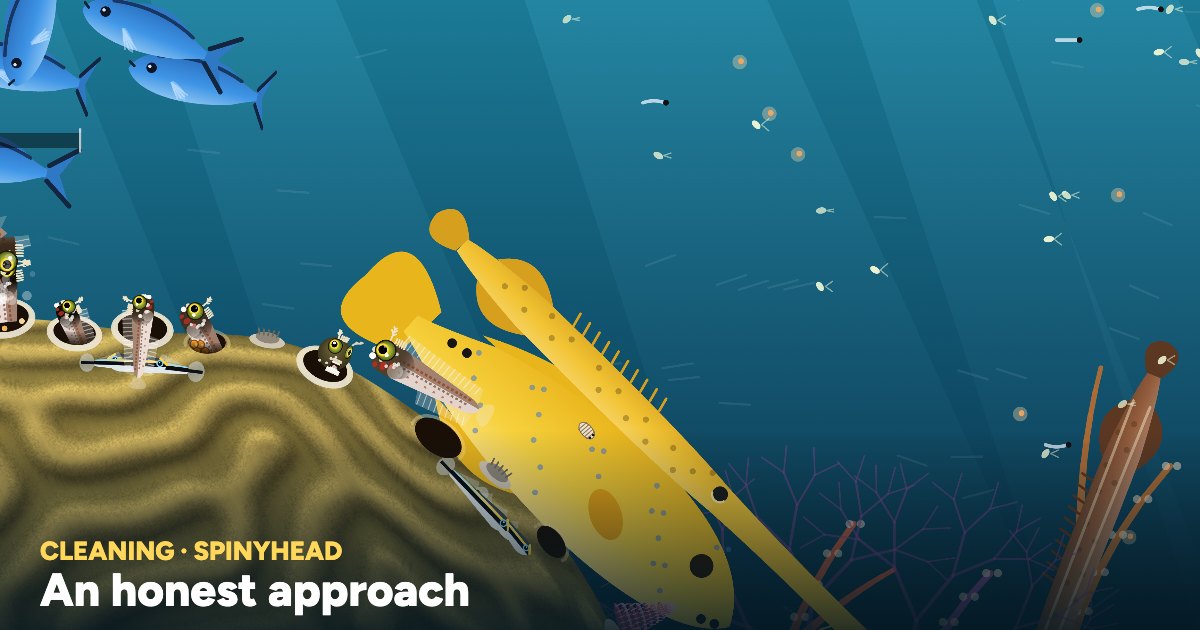
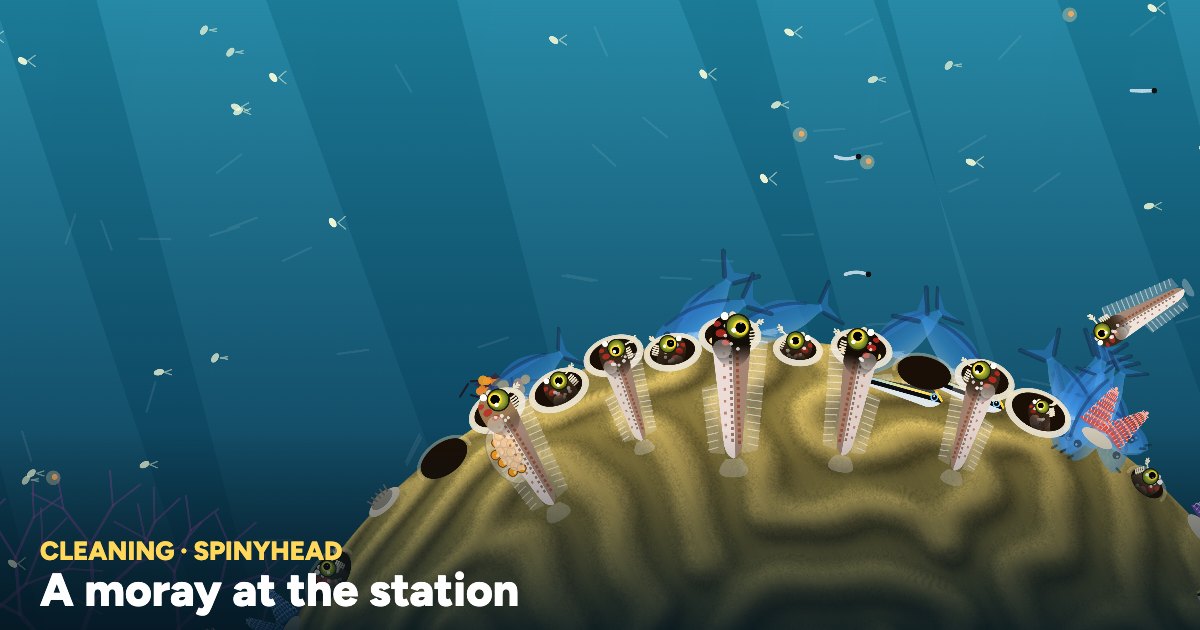
Spinyhead blennies live in small holes in dead coral and rock, with only the head showing. Males guard eggs inside their holes. A diver would usually see a head poking out and the male defending the entrance by displaying at neighbours. The eating of eggs happens inside the hole and is very unlikely to be seen directly. What can be seen are neighbouring males contesting holes and holes changing occupants.
Who studied it
Infanticide by incoming males was made well known by studies of primates, notably Sarah Blaffer Hrdy's work on Hanuman langurs in the 1970s. Biologists later recognised similar behaviour in many other groups, including fishes. In fishes, most research has focused on filial cannibalism. The idea that new nest owners eat eggs they did not father is an extension of that work. I know of no specific study I can confidently cite for the spinyhead blenny.
Elsewhere in the animal kingdom
Male lions that take over a pride often kill the cubs, and Hanuman langurs and several other primates show the same pattern. Many rodents and some birds, such as jacanas, also kill young after taking over a territory or mate. Among fishes, egg eating by nest-guarding males is well known in sticklebacks, sand gobies and many cichlids. It is most often described as filial cannibalism rather than eating the eggs of other males.
Doubts and open questions
Whether eating eggs on takeover is an adaptation or just a by-product of hunger is often unclear. Eating unrelated eggs can be hard to separate from eating one's own, and the benefits are difficult to measure. For blennies in particular, documentation of this behaviour appears limited, so the notebook entry should be read with that caution.
Related behaviors
- filial cannibalism A male eats some or all of his own eggs, for example to regain energy or to get rid of a poor clutch.
- nest takeover A male takes over another male's nest or hole, which may or may not involve eating the eggs.
- mate guarding A male defends a female or a spawning site against rivals, rather than destroying earlier young.
- sexually selected infanticide The general term for males killing young that they did not father, usually to bring the mother into breeding condition sooner.
Spinyhead is a free game you play in your browser: you are a spinyhead blenny, a fish about 3 cm long living in a worm hole on a Caribbean coral head. Feed, fight for a better hole, court, raise eggs and dodge predators, while everything around you behaves the way field biologists have seen it behave. Every behavior in the game is backed by a published study or careful observation; there are 71 on these pages, and more in the game’s field notebook waiting to be found.
More breeding
Other reef behaviors to discover