SpinyheadPlay free
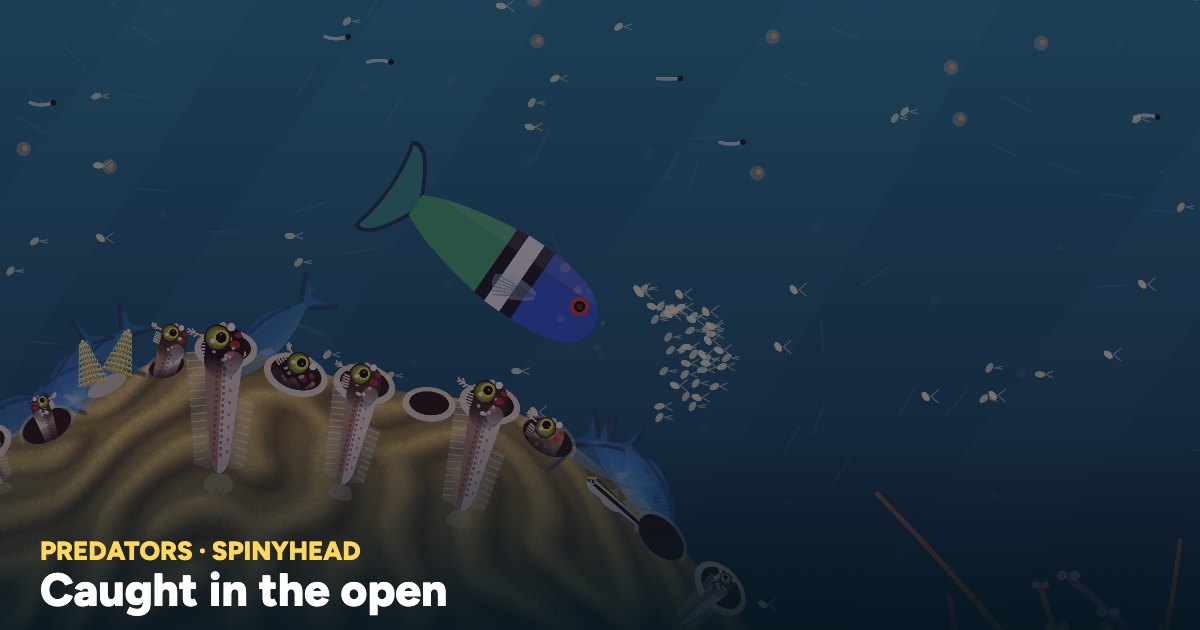
Caught in the open
Behavior: Refuge use (predator avoidance by sheltering) and predation risk away from the refuge
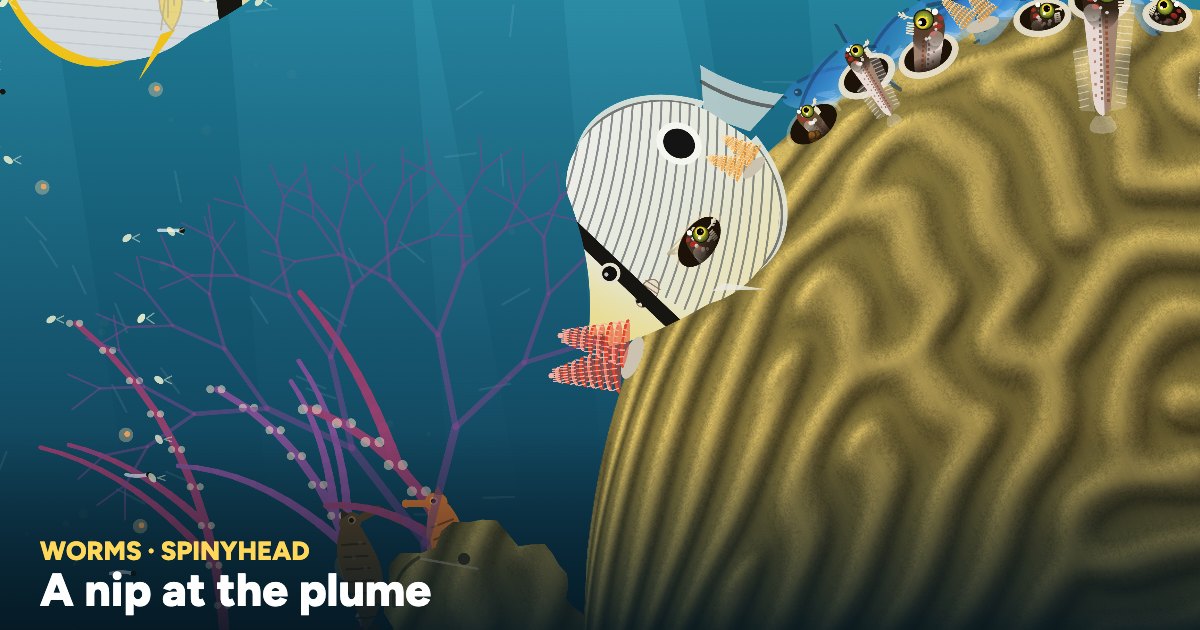
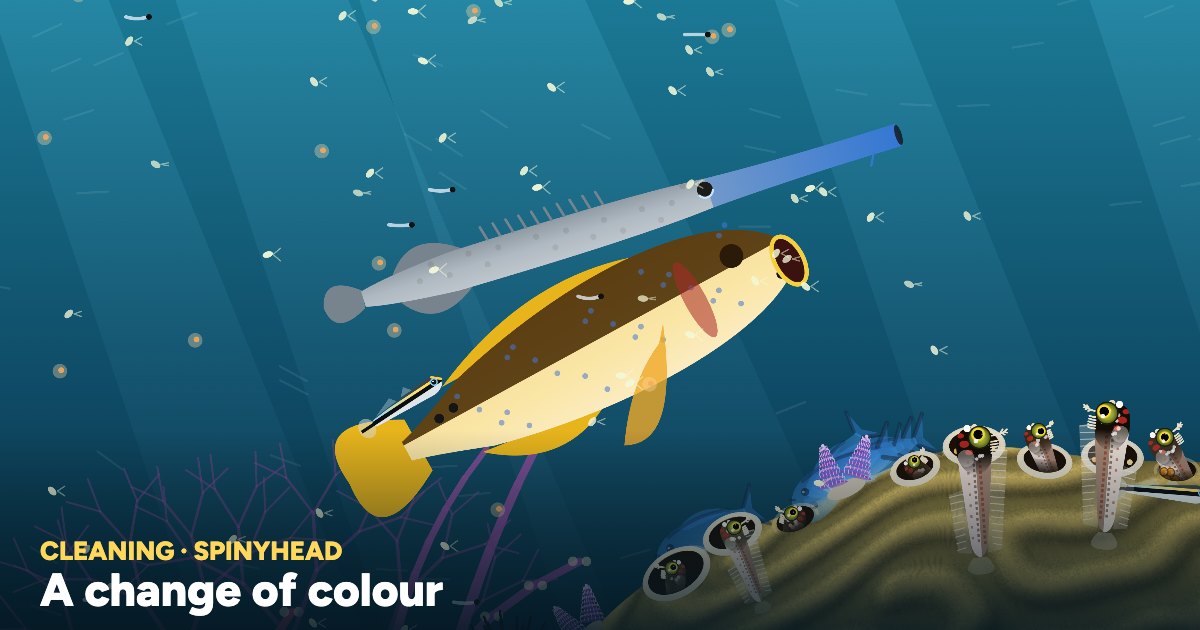
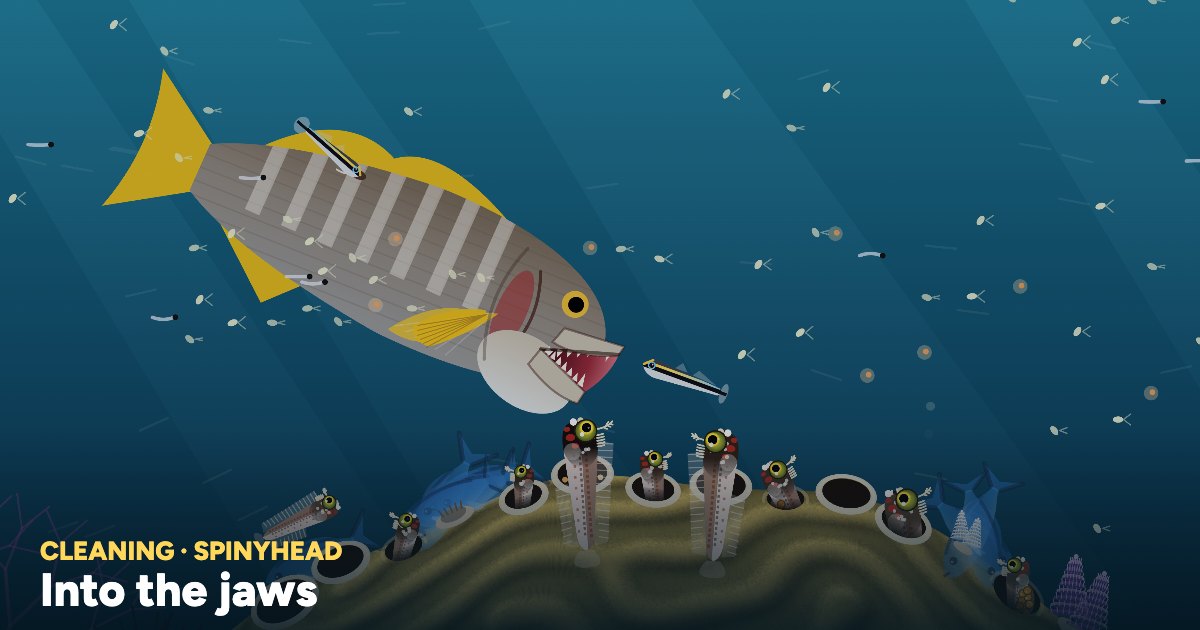
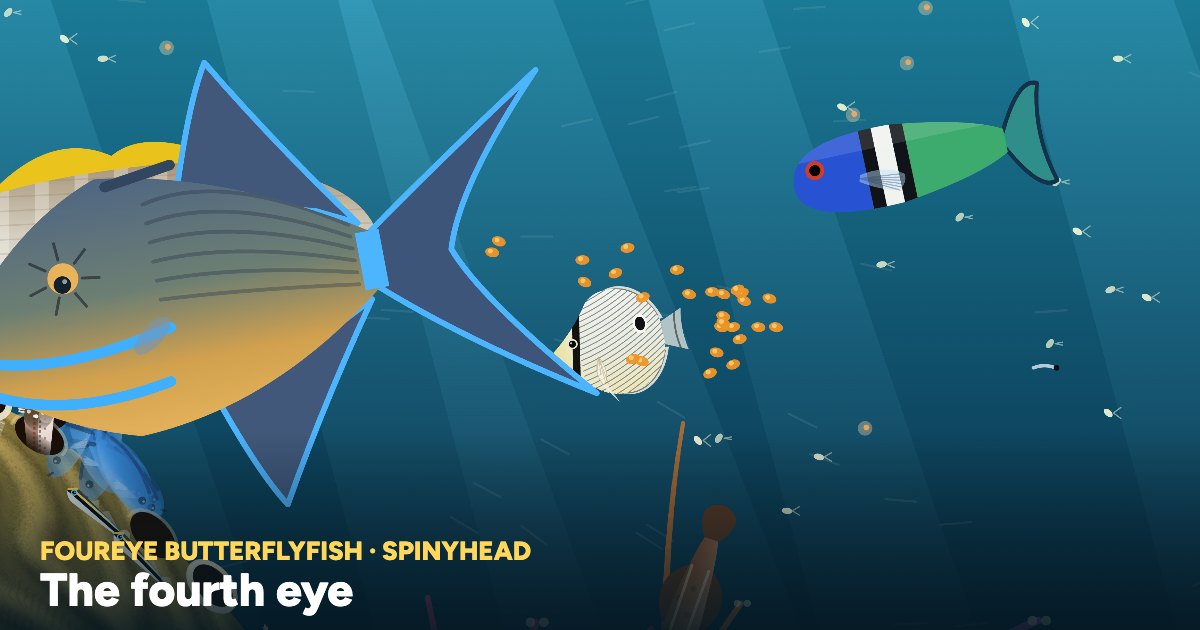
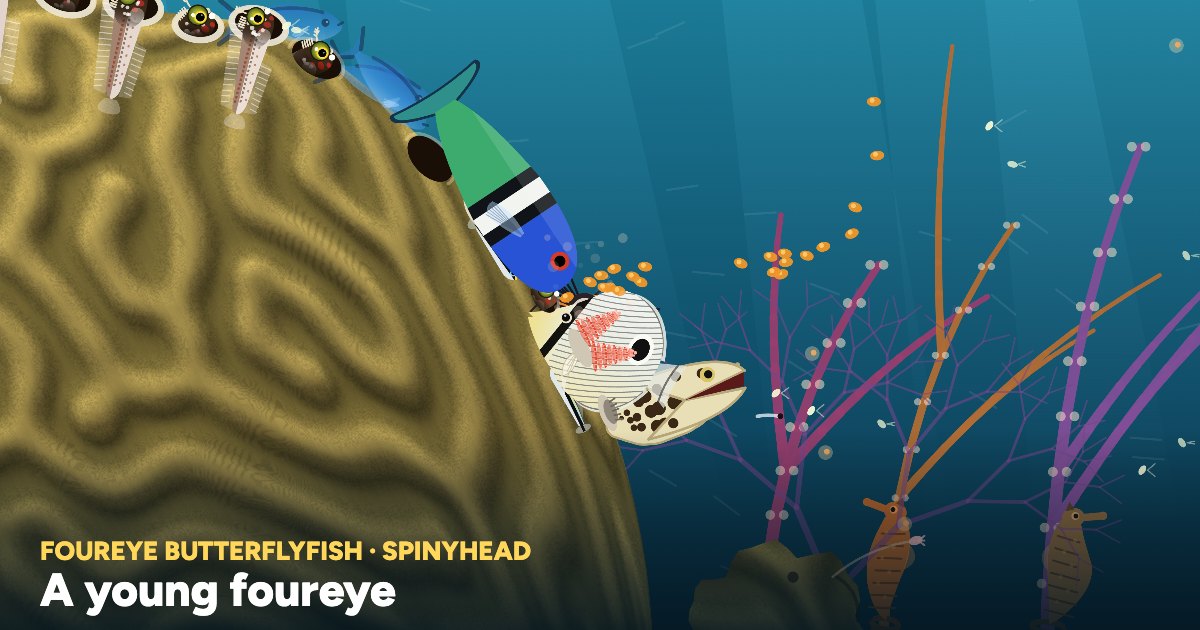
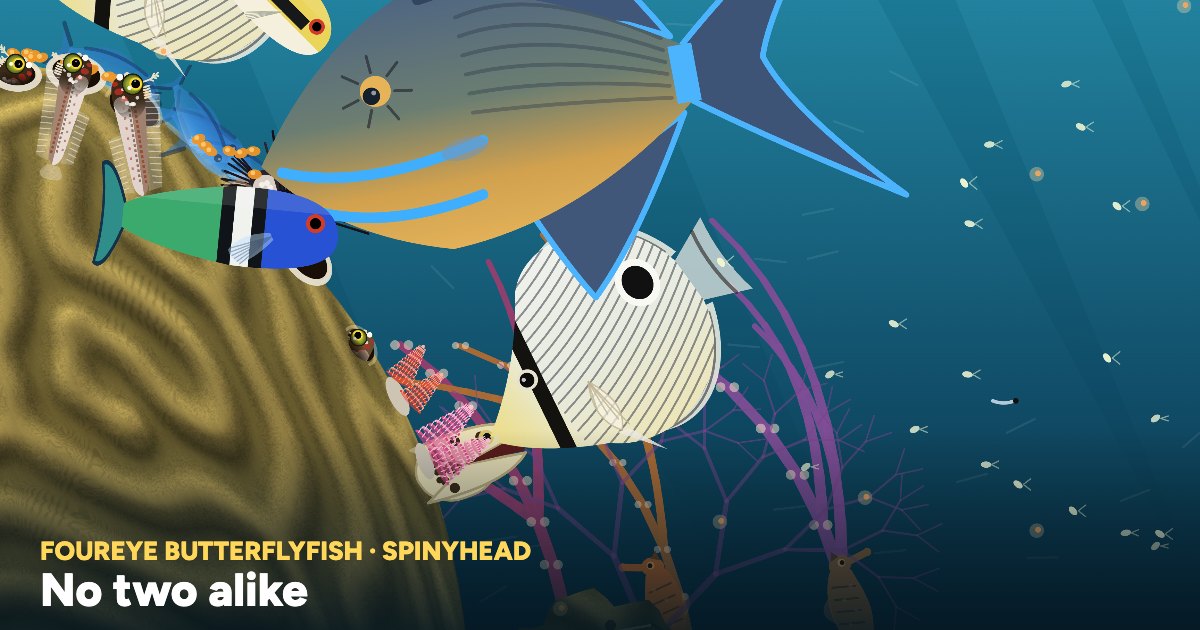
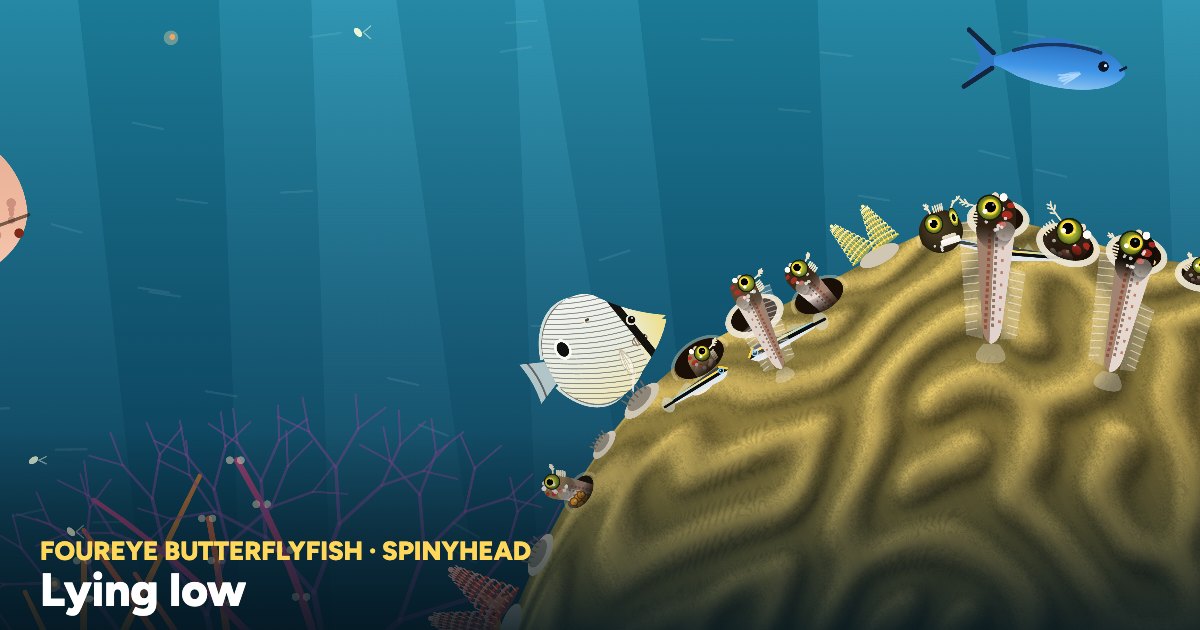
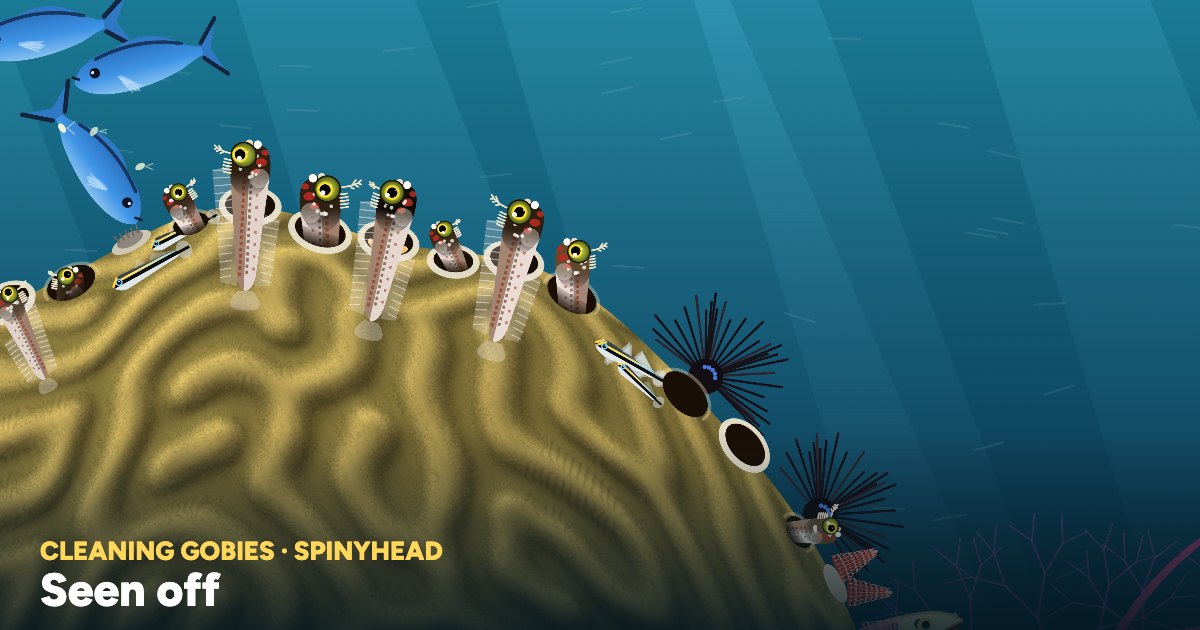
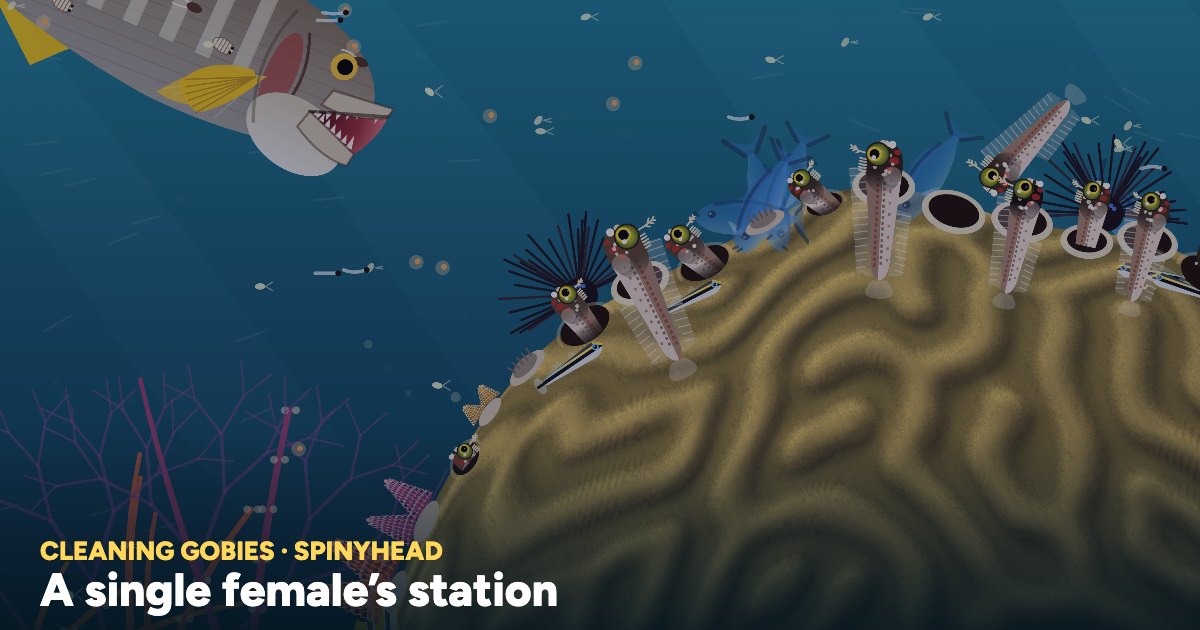
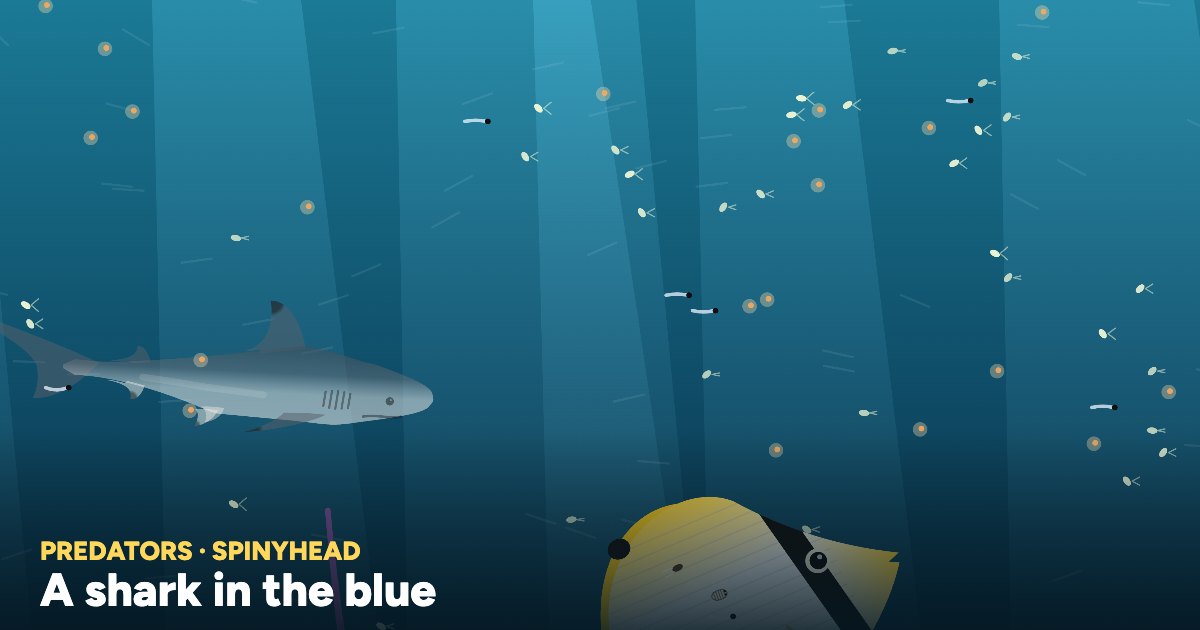
Bluehead wrasses pick off blennies that stray from their holes. A blenny in its tube, or lunging with its tail still inside, is almost never caught.
Species involved
- spinyhead blenny Acanthemblemaria spinosa prey that lives in a hole and is vulnerable when it leaves it
- bluehead wrasse Thalassoma bifasciatum opportunistic predator of blennies caught out in the open
About refuge use (predator avoidance by sheltering) and predation risk away from the refuge
Many small reef fishes live in or next to a hole, crevice or tube and treat it as a safe base. They leave it to feed, display, defend a territory or chase rivals, and retreat when threatened. The risk of being eaten is therefore highly uneven: it is low while the animal is inside or still partly in its shelter and much higher once it is exposed. Spinyhead blennies are tube blennies (family Chaenopsidae) that live in small holes in dead coral and rock, with only the head and front of the body showing. Jason Buchheim watched bluehead wrasses pick off blennies that strayed from their holes, while a blenny inside its tube, or lunging with its tail still anchored, was almost never caught.
Why it matters
For the individual, a hole turns a dangerous open reef into a place where most attacks fail. The cost is that it limits how far the animal can forage and display, so it must balance feeding and territory defense against exposure. Because suitable holes are limited, they can become a resource that animals compete for, and the fish without one are the most likely to be eaten. Over many generations, predators and shelter availability can therefore influence how many small fish a reef supports. They also shape how much prey moves along the reef, because small shelter-dwelling fish convert plankton into food for predators only when they venture out.
On coral reefs
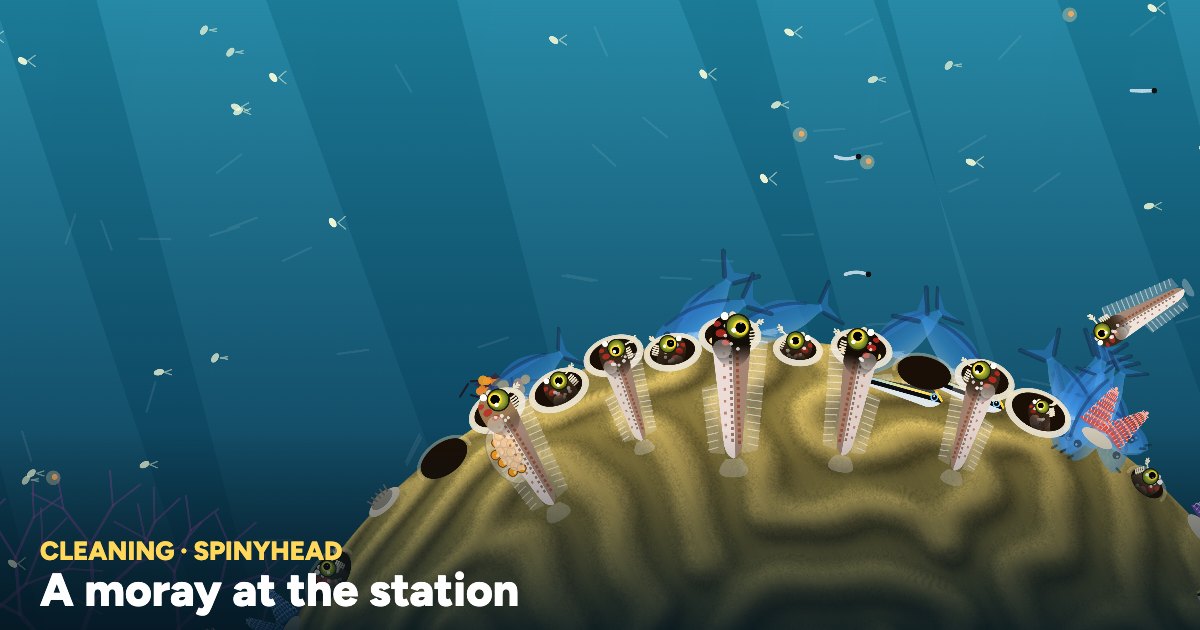
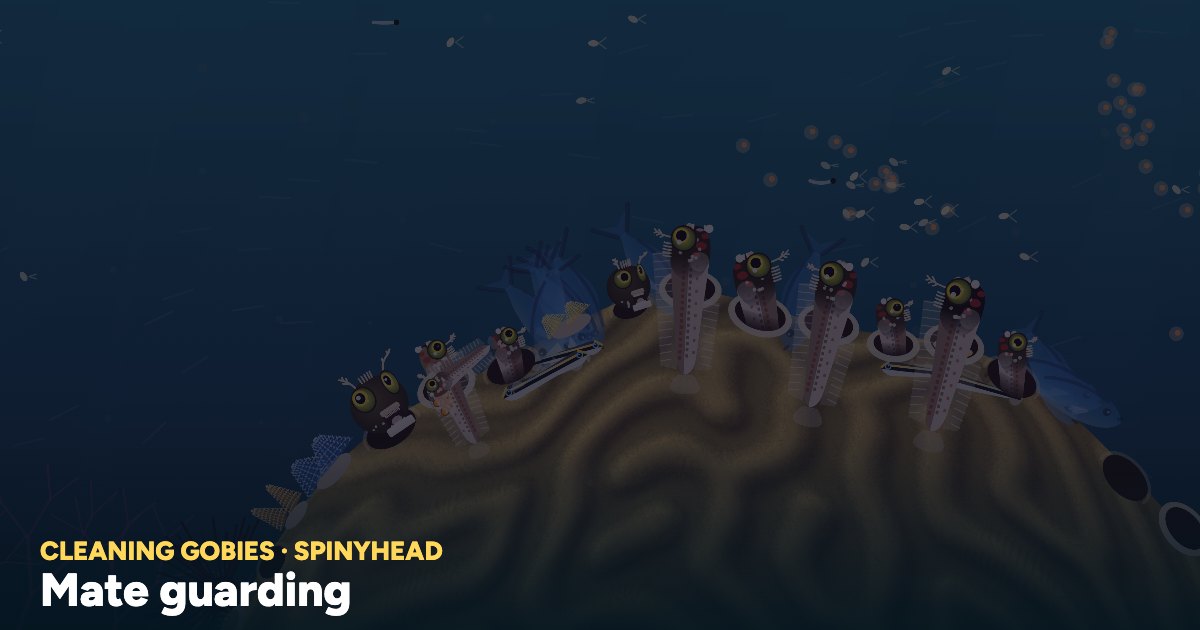
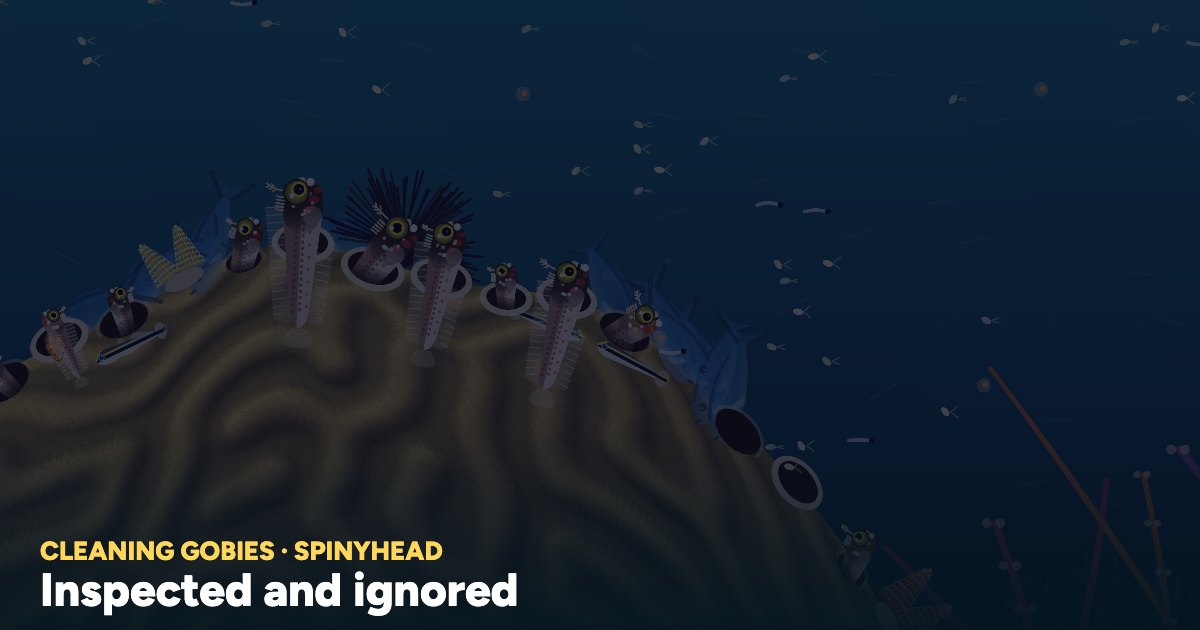
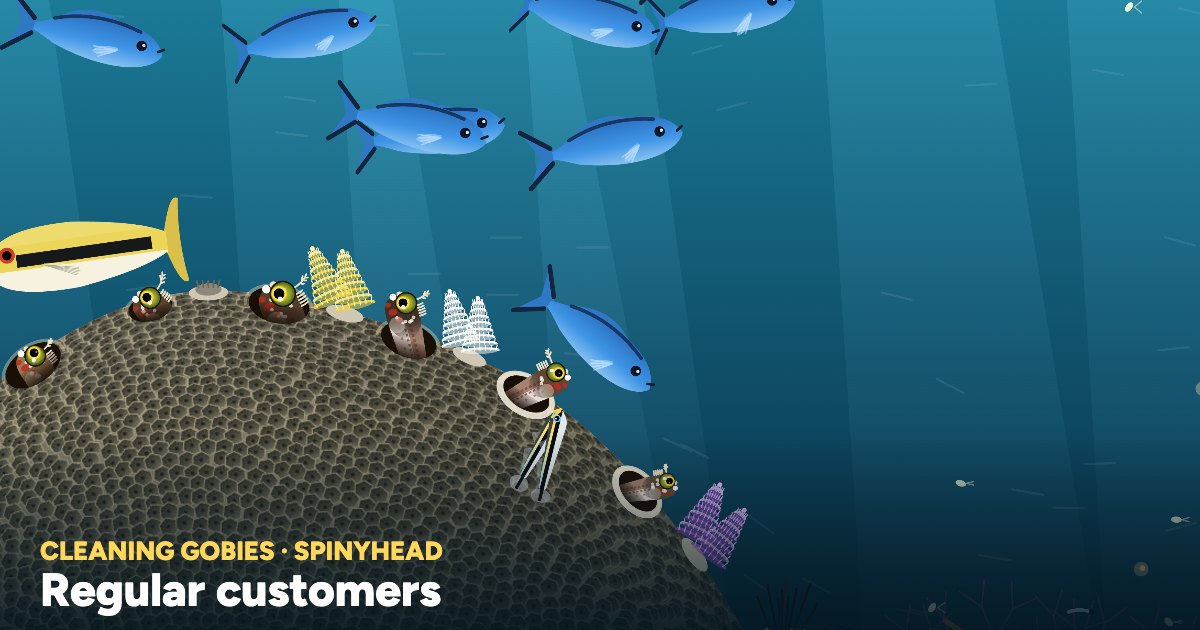
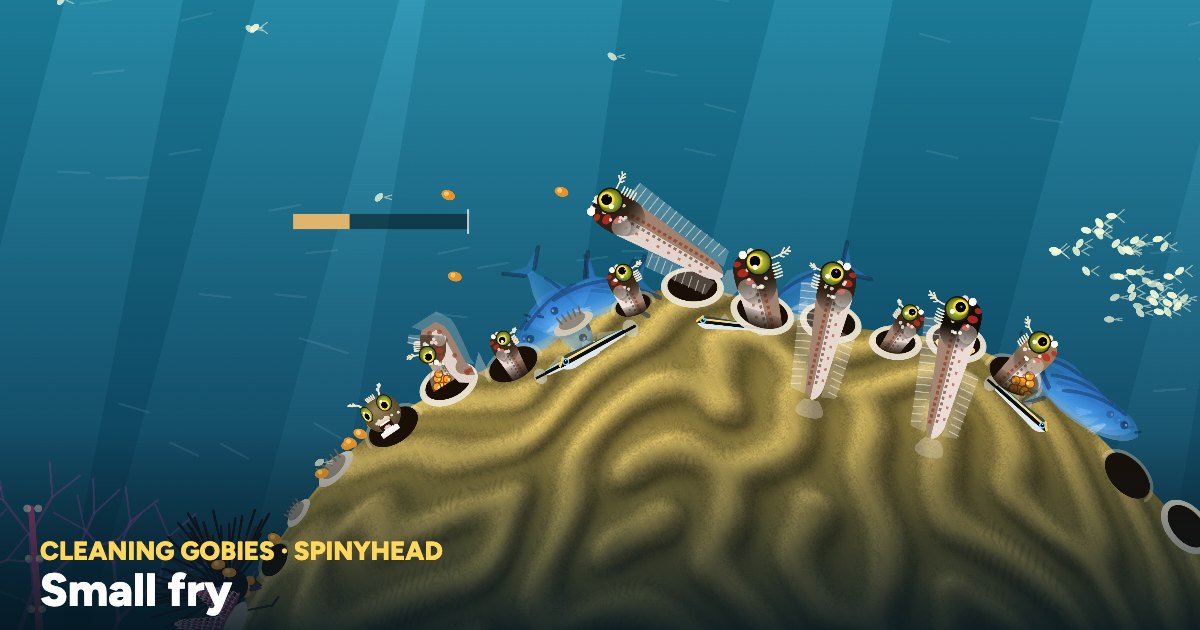
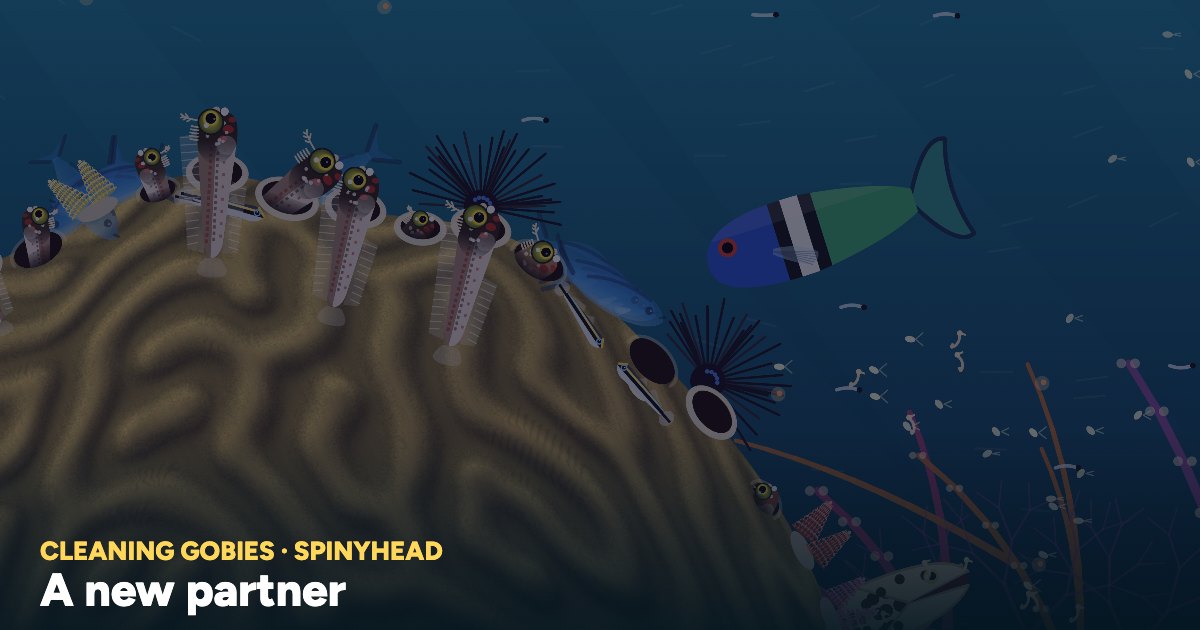
A diver sees blennies perched at the mouths of small holes in rock and coral skeleton, often with several in a patch. They dart out briefly to snatch plankton or to chase neighbors, and they drop back into the hole when a larger fish or a diver approaches. Wrasses and other fish patrol nearby, and a fish that is fully exposed is the one most at risk.
Who studied it
The idea that refuges shape reef-fish survival and community structure was developed in Caribbean field studies, notably by Mark Hixon and colleagues. Hixon and Beets (1993, Ecological Monographs) experimentally manipulated shelter and predators on artificial and natural reefs and showed that the availability of holes influenced fish assemblages. Buchheim and Hixon (1992) studied competition for shelter holes in Acanthemblemaria spinosa itself, showing that holes are a contested resource for this species.
Elsewhere in the animal kingdom
Retreating to a fixed shelter is common among animals. Garden eels and jawfishes withdraw into burrows, hermit crabs retreat into shells, and damselfish and gobies dart into crevices when threatened. Long-spined sea urchins (Diadema) shelter in crevices by day. On land, burrowing rodents, prairie dogs and many lizards balance foraging against distance from a burrow in a similar way.
Doubts and open questions
Bluehead wrasses mostly feed on zooplankton and small invertebrates. Their attacks on spinyhead blennies caught away from their holes come from Jason Buchheim’s own field observations on St. Thomas reefs, not from a published study, so how much they matter to blenny numbers has not been measured. More broadly, ecologists still discuss how far shelter limits reef-fish numbers compared with the supply of larvae (recruitment) and other factors.
Related behaviors
- Shelter (hole) competition Concerns fights between animals over scarce refuges, rather than the safety the refuge provides.
- Ambush predation The predator hides and strikes at passing prey, rather than the prey hiding from predators.
- Risk-sensitive foraging Animals adjust how far or how long they feed according to predation risk, which is the trade-off behind leaving a hole.
- Schooling as predator avoidance Safety comes from group membership and dilution, not from a fixed hiding place.
Spinyhead is a free game you play in your browser: you are a spinyhead blenny, a fish about 3 cm long living in a worm hole on a Caribbean coral head. Feed, fight for a better hole, court, raise eggs and dodge predators, while everything around you behaves the way field biologists have seen it behave. Most behaviors in the game come from published field studies; the rest are borrowed from other reefs or extrapolated, and this page says which. There are 71 on these pages, and more in the game’s field notebook waiting to be found.
More predators
Other reef behaviors to discover