SpinyheadPlay free
Drifting feast
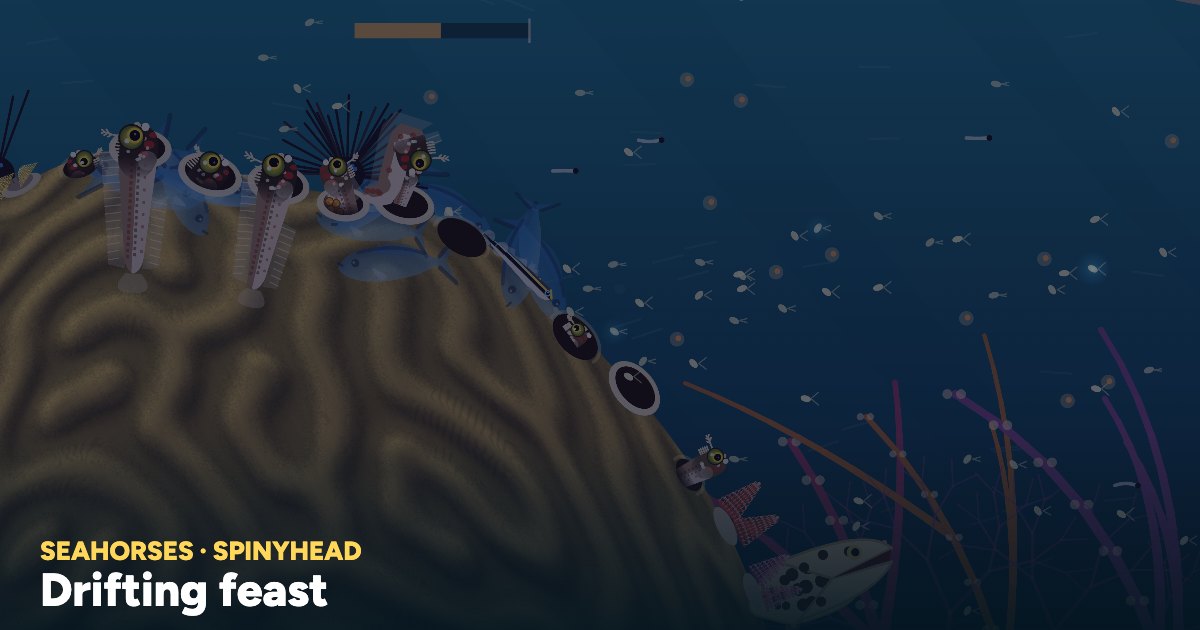
Behavior: Opportunistic planktivorous predation on newborn young (early-life-stage predation)
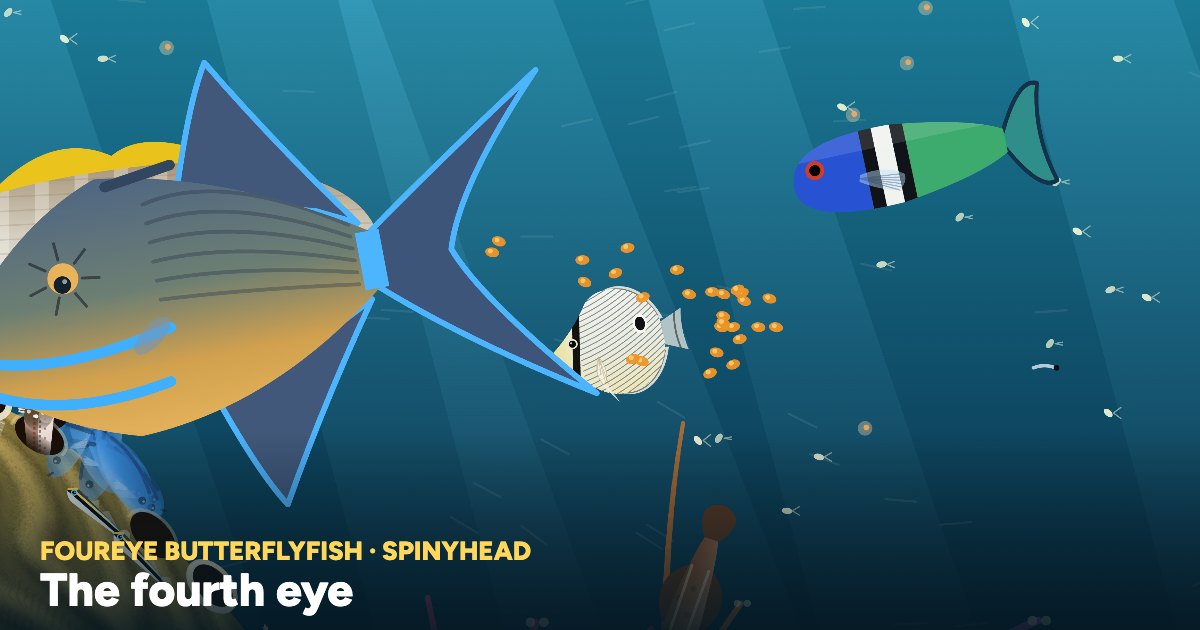
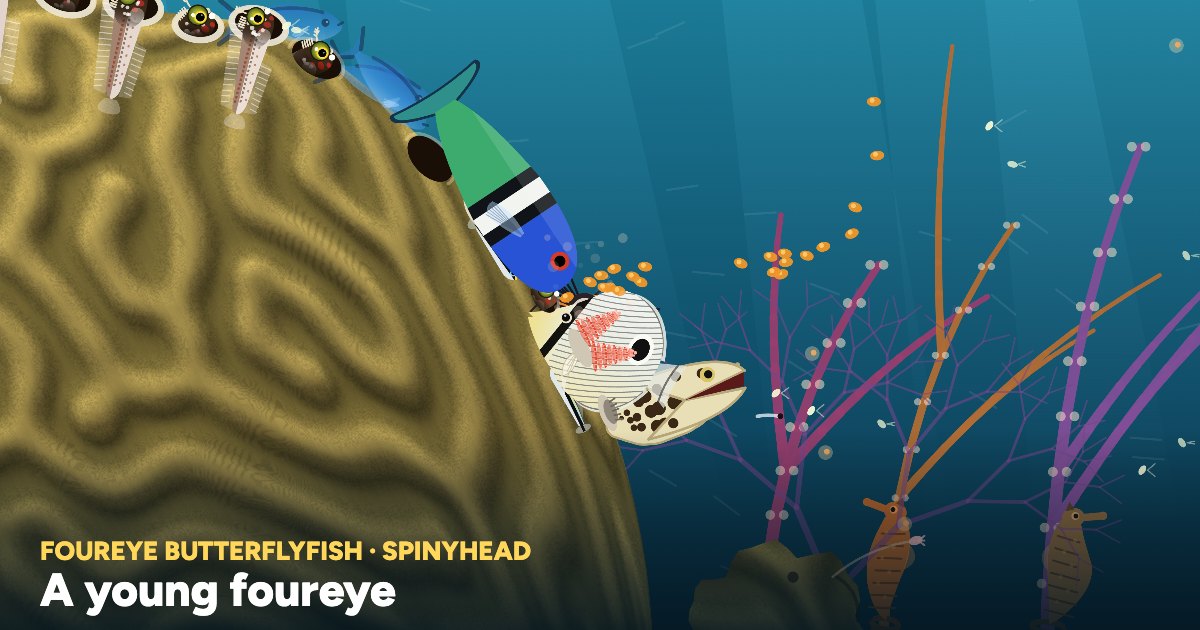
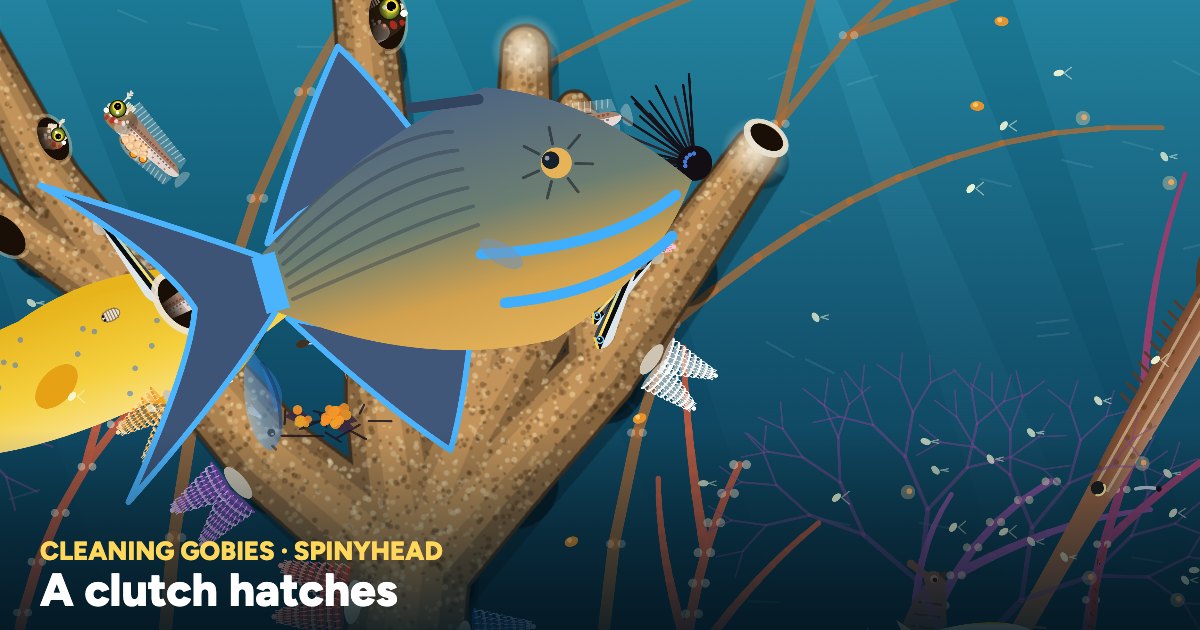
Newborn seahorses are tiny and feeble swimmers: food for any planktivore downstream, blennies included.
Species involved
- longsnout seahorse Hippocampus reidi newborn young as drifting prey
- spinyhead blenny Acanthemblemaria spinosa small planktivore that may snap up drifting newborns
- blue chromis Chromis cyanea schooling planktivore that could take newborns in the water column
About opportunistic planktivorous predation on newborn young (early-life-stage predation)
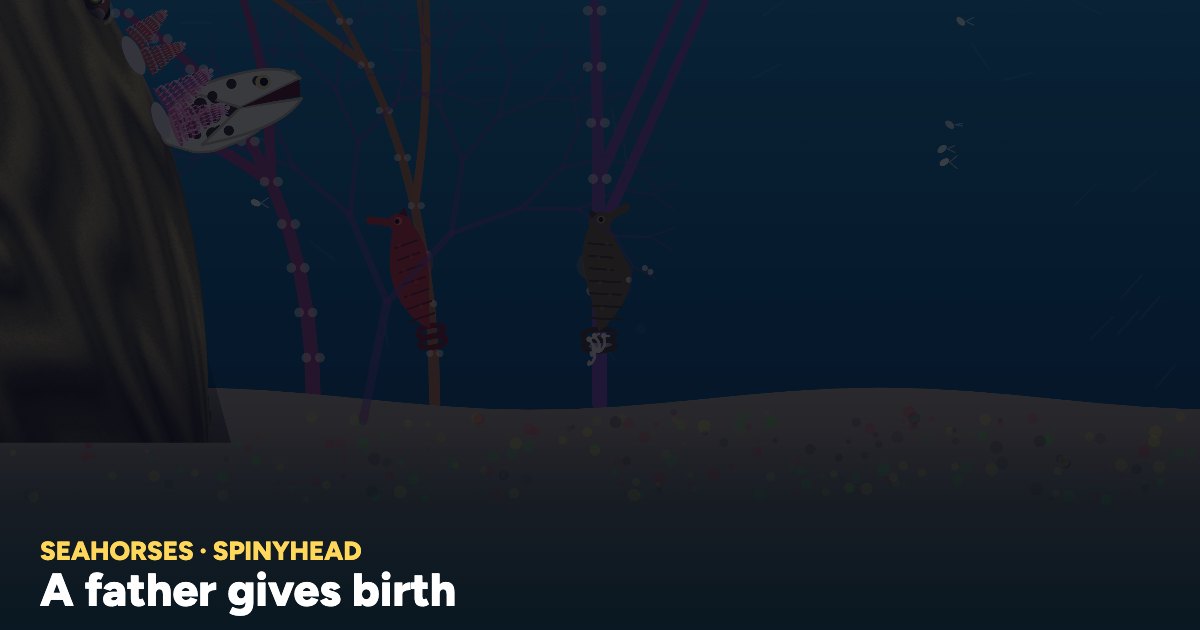
Many small animals eat whatever suitably sized drifting animals pass them, and this includes the very young of other species. Male seahorses brood the eggs in a pouch and release fully formed miniature seahorses, which then receive no further parental care. The newborns are only about a centimetre long or less, swim weakly, and spend an early period in open water before settling. In that time they are, in effect, part of the plankton. The notebook entry says any planktivore downstream, blennies included, could eat them. It gives no source.
Why it matters
For the prey species, heavy early mortality is the norm, and the number of newborns that survive to settle is much lower than the number released. Seahorses produce relatively small broods compared with fish that broadcast huge numbers of eggs, so each loss matters more to the parents' reproductive success. For the predators, newborns are a small, occasional extra food item that adds to their usual diet of zooplankton. At the reef level, this flow of young into the plankton feeds the planktivores. It also limits how many young seahorses reach the reef, and therefore the size of the adult population.
On coral reefs
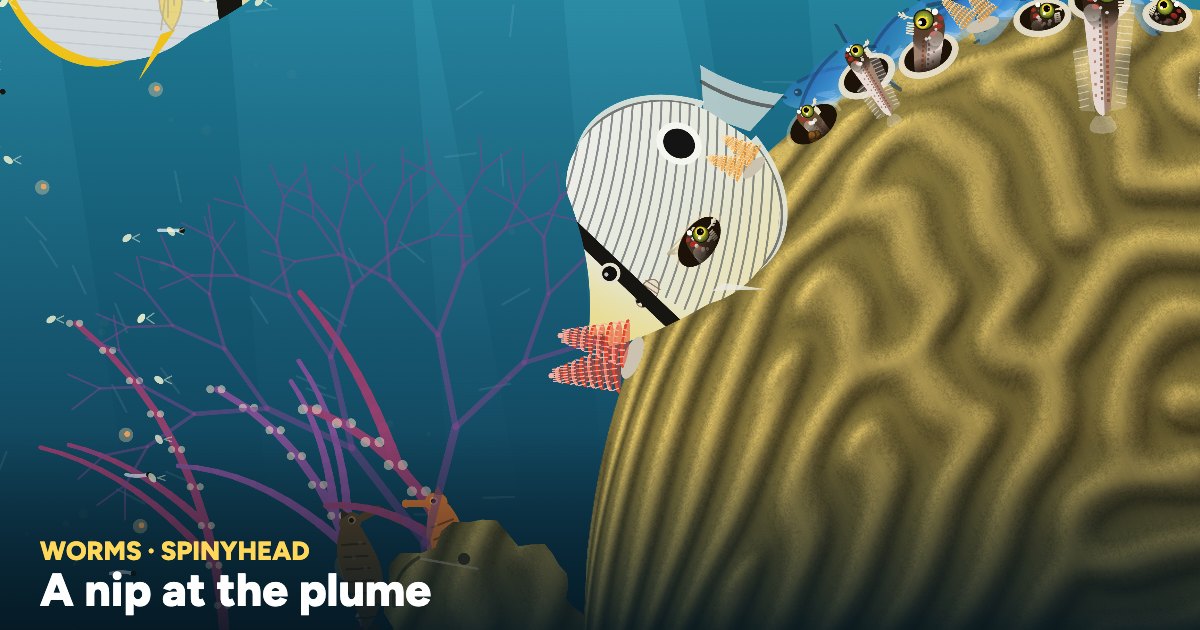
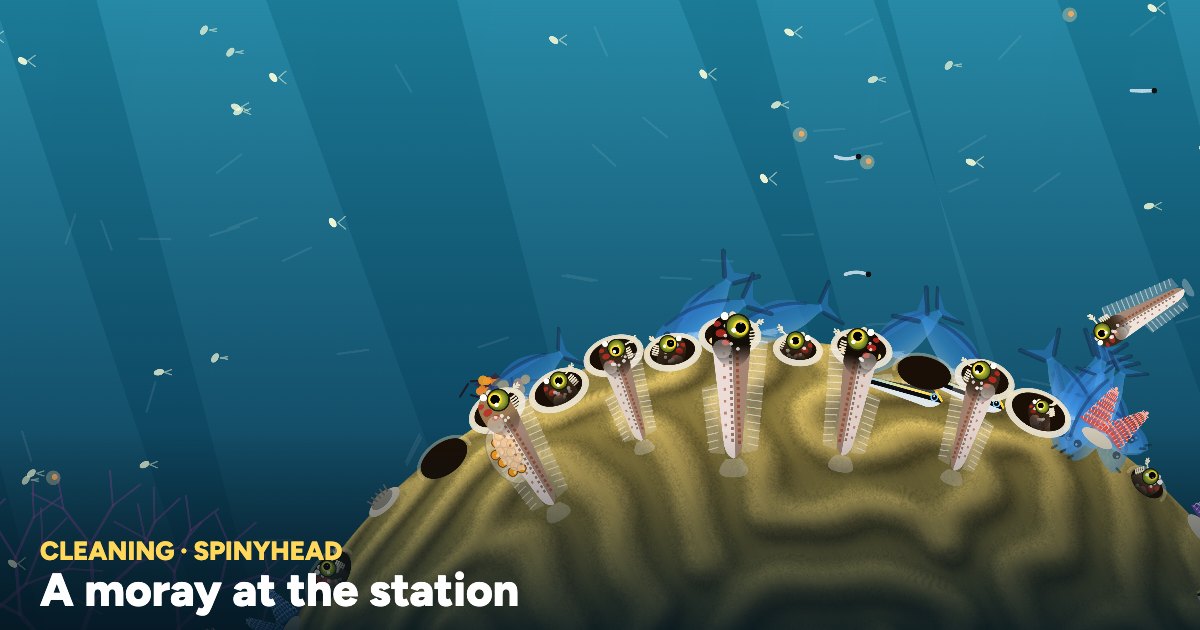
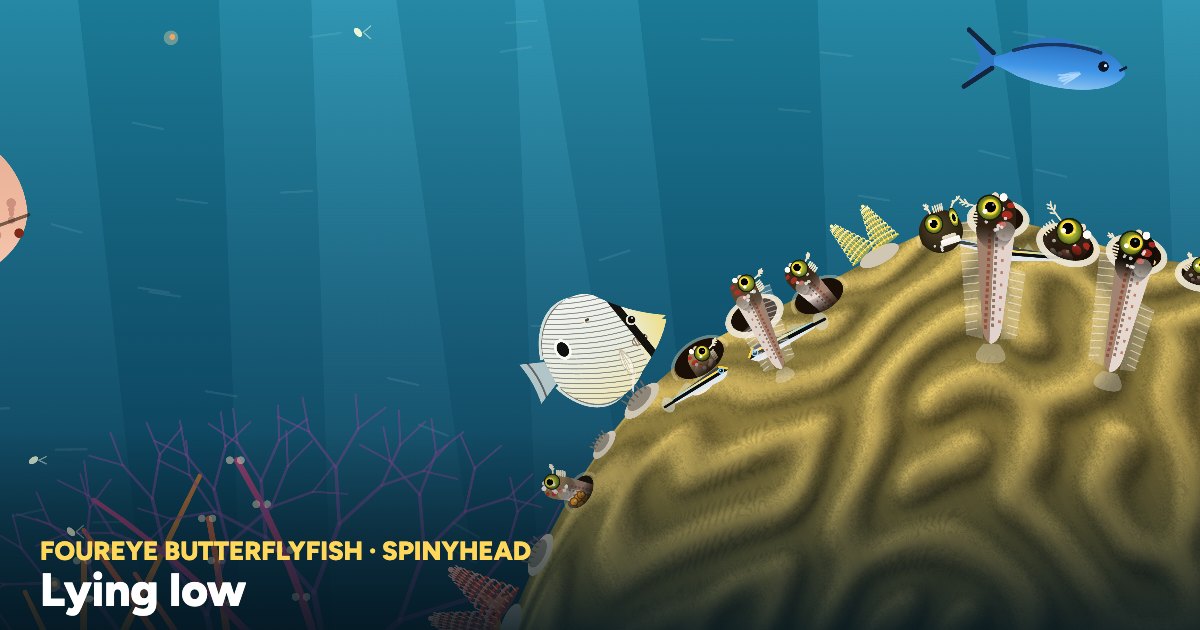
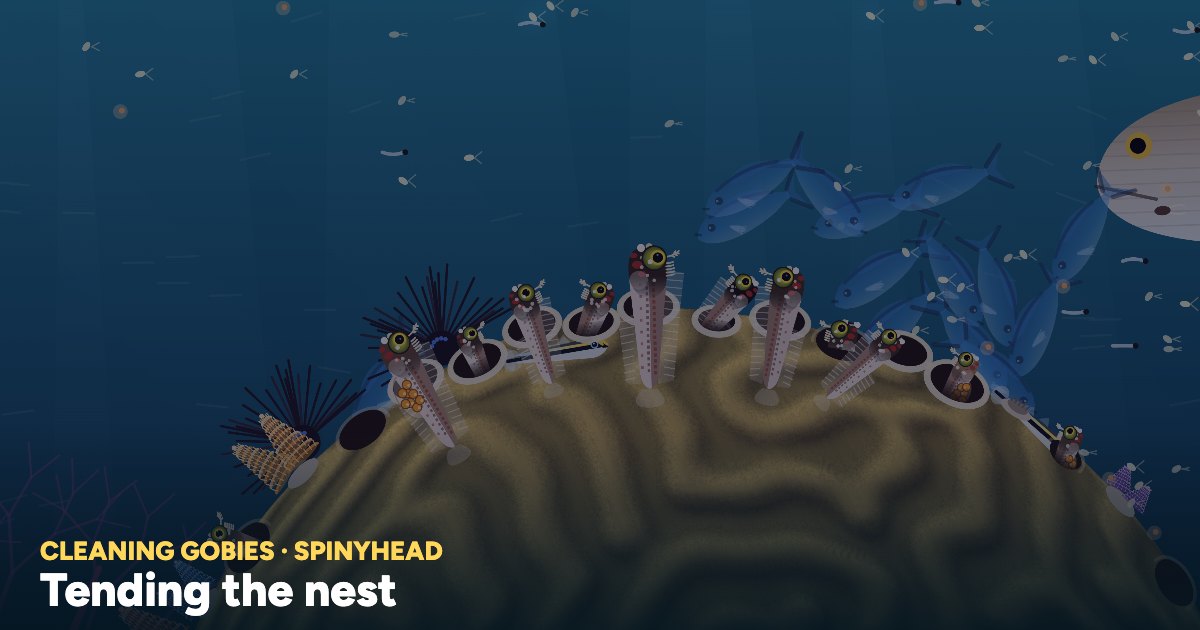
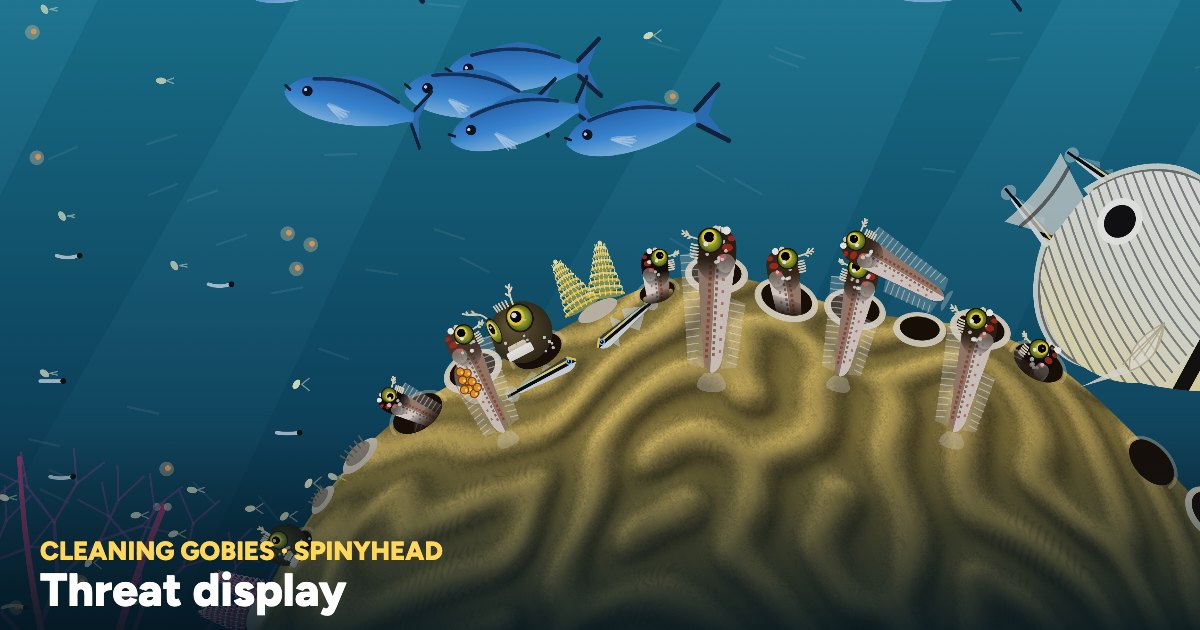
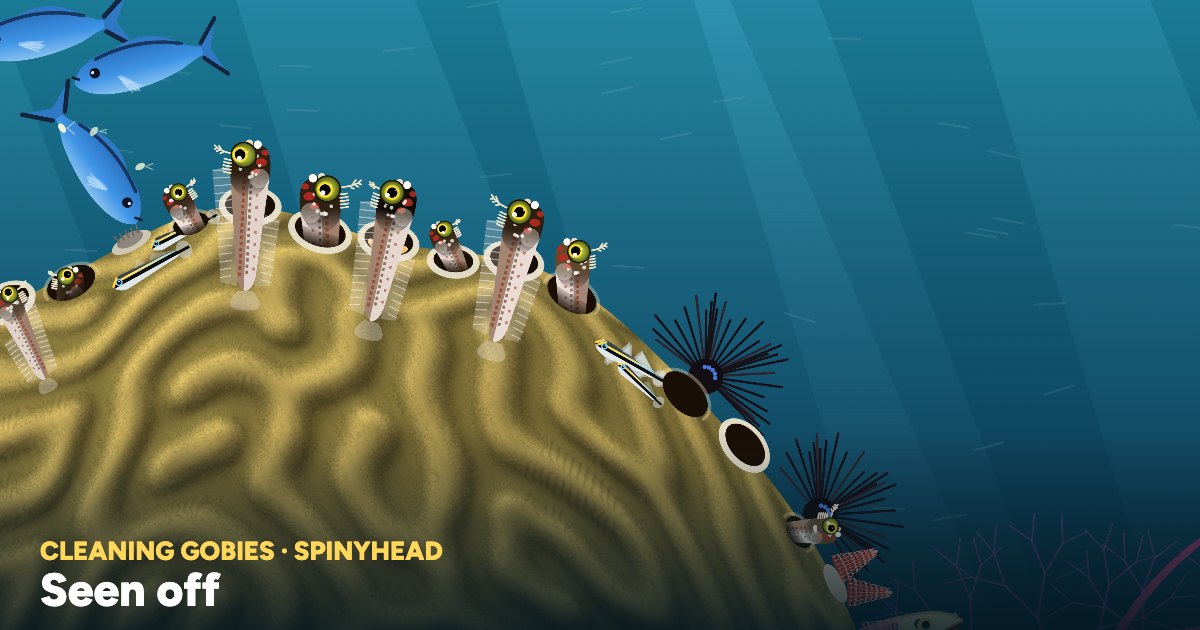
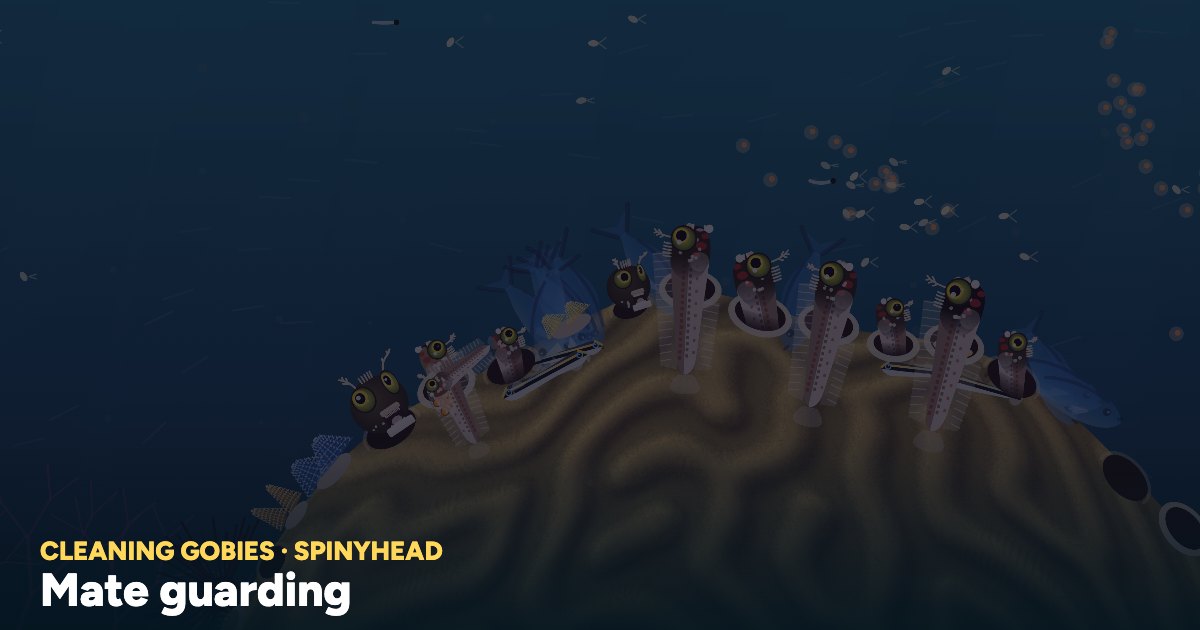
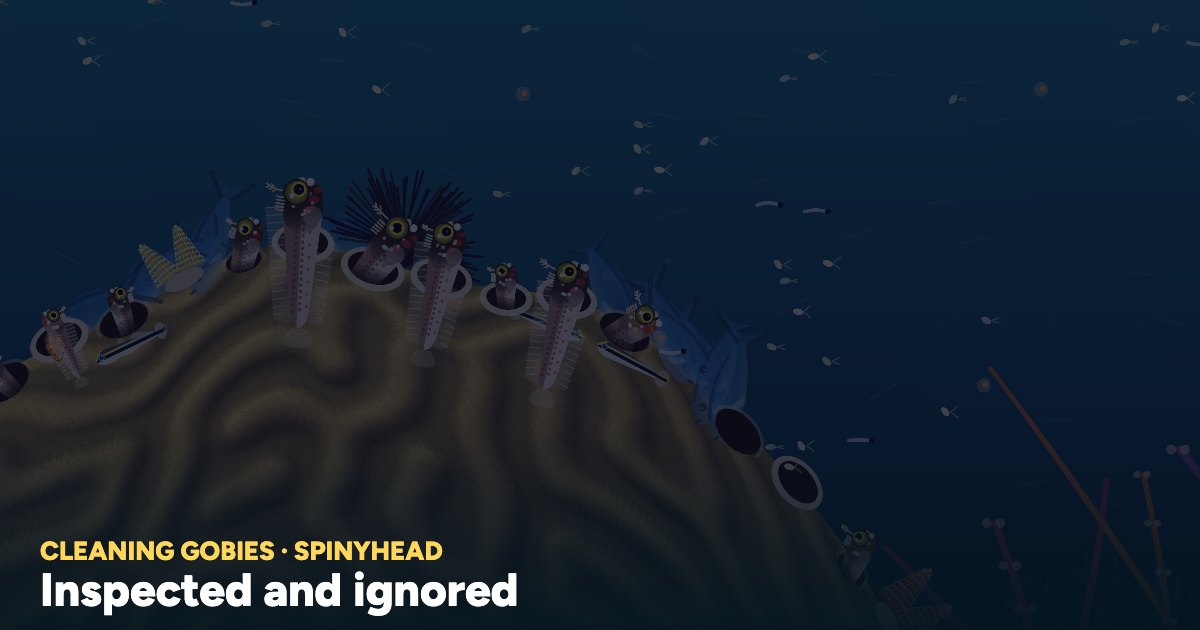
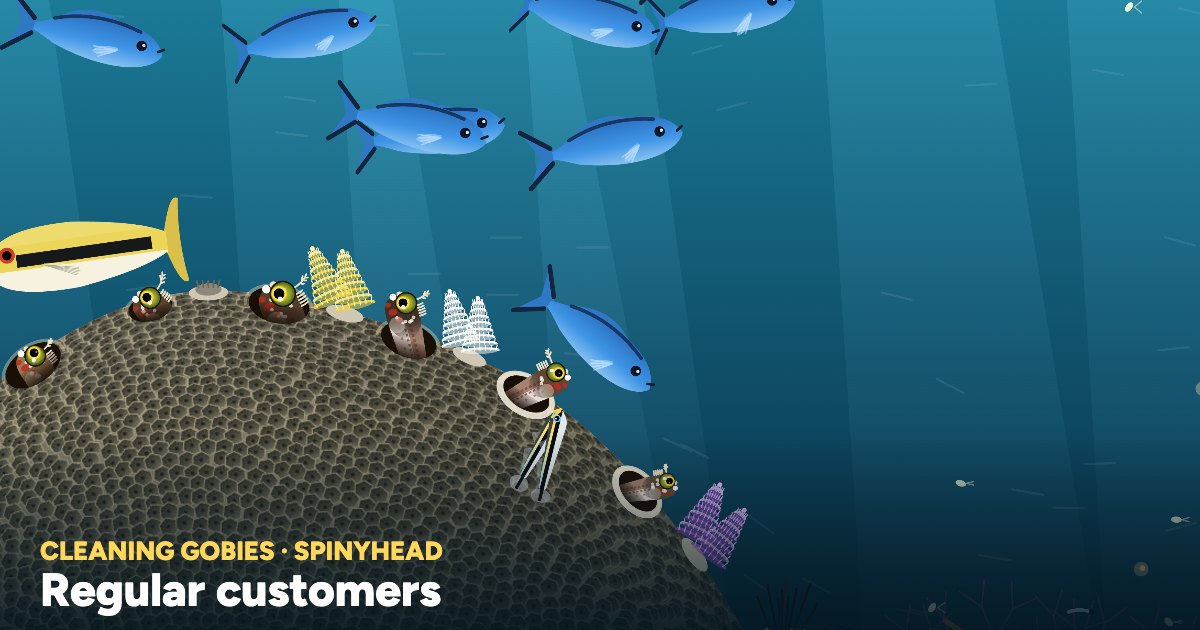
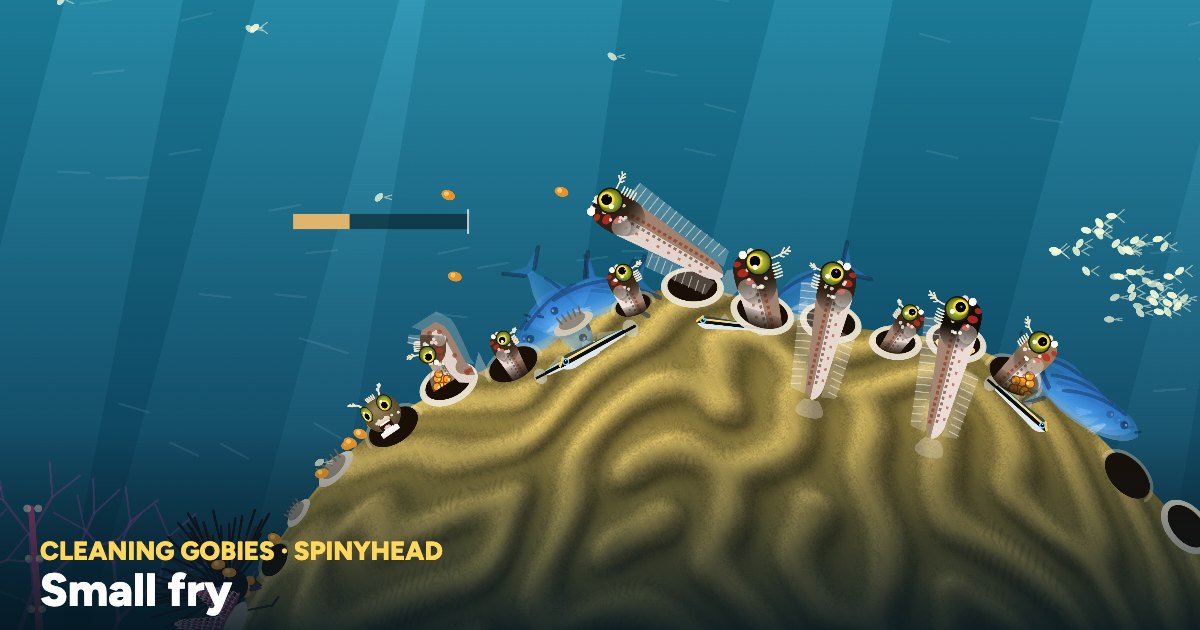
A diver would rarely see this happen. Newborn seahorses are tiny, nearly transparent to cryptic, and disperse quickly. What is visible is the setting: blennies perched at their holes, and schools of blue chromis hovering above the reef and picking at particles in the current. Any predation on newborns would be a single quick snap that is almost impossible to notice.
Who studied it
The idea that survival in the first days and weeks of life shapes later population size goes back to Johan Hjort's early twentieth-century work on fish recruitment, known as the critical period concept. Predation on small, weakly swimming young has since been studied widely in reef and pelagic fishes. I am not aware of a well-known study that documents spinyhead blennies eating newborn seahorses specifically, so the notebook's statement should be read as a plausible ecological scenario.
Elsewhere in the animal kingdom
Predation on larvae and newborns by planktivores is widespread. Larval stages of reef fishes, crabs and many other marine invertebrates are eaten by planktivorous fishes, jellyfish and filter-feeding invertebrates. Herring and other forage fish feeding on fish eggs and larvae are well-known examples. Other pipefishes and seahorses that release young into open water face the same pressure.
Doubts and open questions
How much predation on newborn seahorses actually happens is poorly known, because the prey are tiny and digest quickly, so gut-content studies seldom identify them. Small-mouthed blennies feed mainly on small zooplankton such as copepods, and a newborn seahorse may be near or above the size they can handle, so their real impact is uncertain.
Related behaviors
- Filial cannibalism Parents eat their own eggs or young, whereas here the predators are unrelated species.
- Planktivory (zooplankton feeding) This is the general habit of eating drifting animals, mostly copepods, of which newborn seahorses are an unusual, occasional item.
- Egg predation Eggs are eaten before hatching, whereas newborn seahorses are free-swimming young.
- Ambush predation The predator waits hidden for prey to come within range, as blennies do from their holes, rather than hunting actively.
Spinyhead is a free game you play in your browser: you are a spinyhead blenny, a fish about 3 cm long living in a worm hole on a Caribbean coral head. Feed, fight for a better hole, court, raise eggs and dodge predators, while everything around you behaves the way field biologists have seen it behave. Every behavior in the game is backed by a published study or careful observation; there are 71 on these pages, and more in the game’s field notebook waiting to be found.
More seahorses
Other reef behaviors to discover