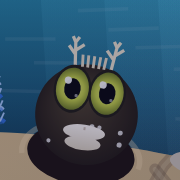
 SpinyheadPlay free
Evicted
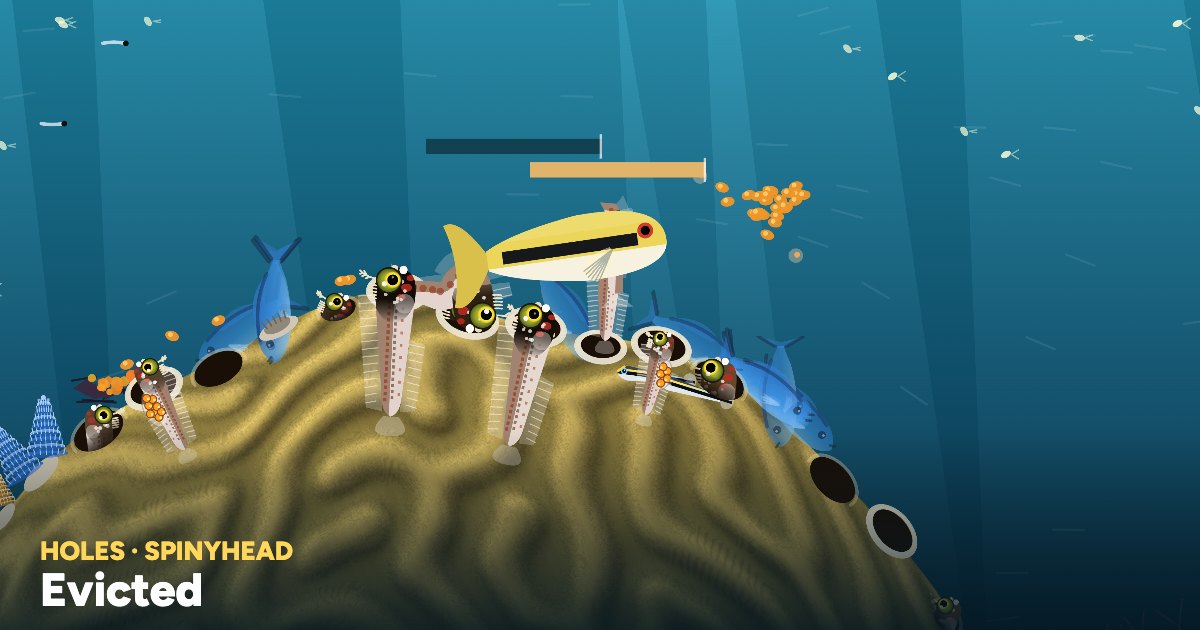
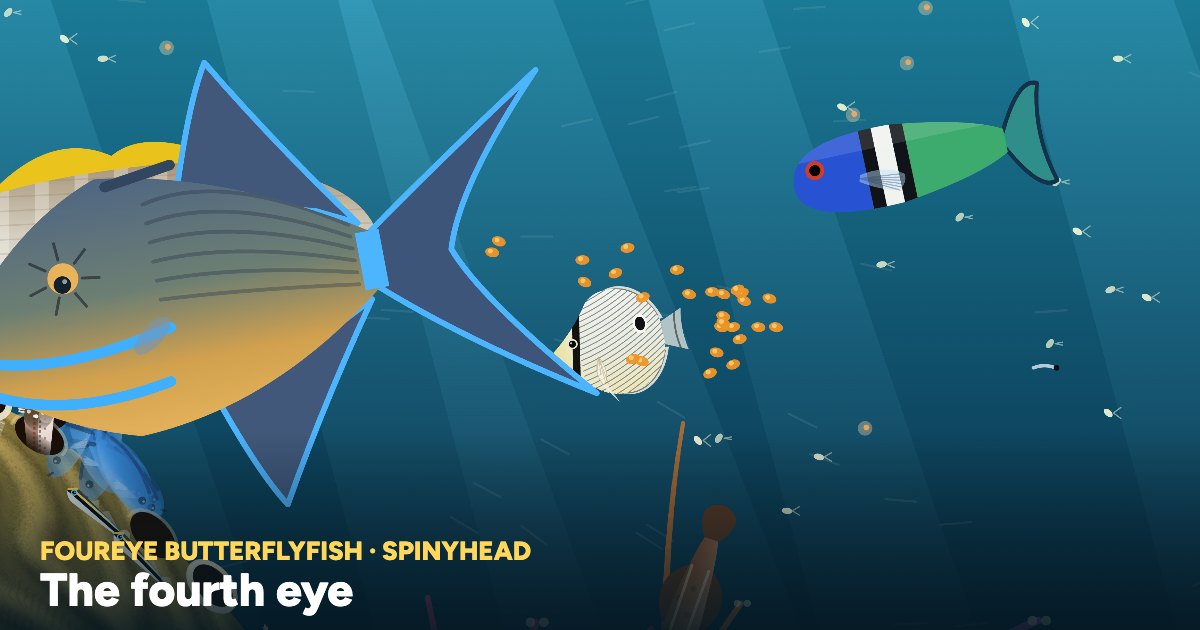
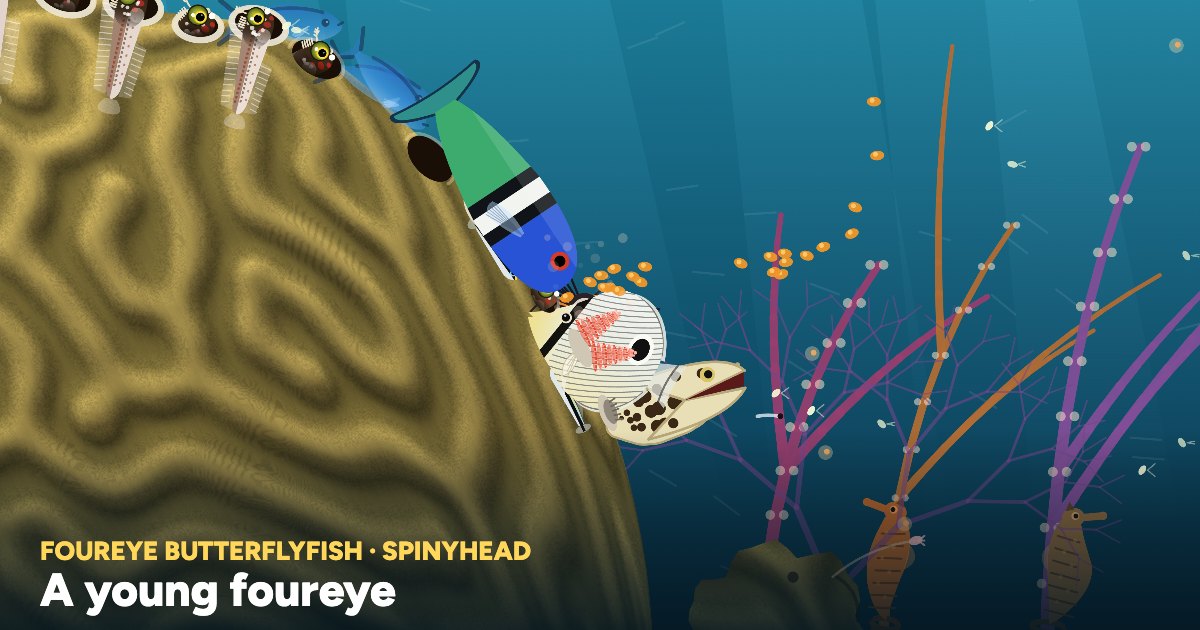
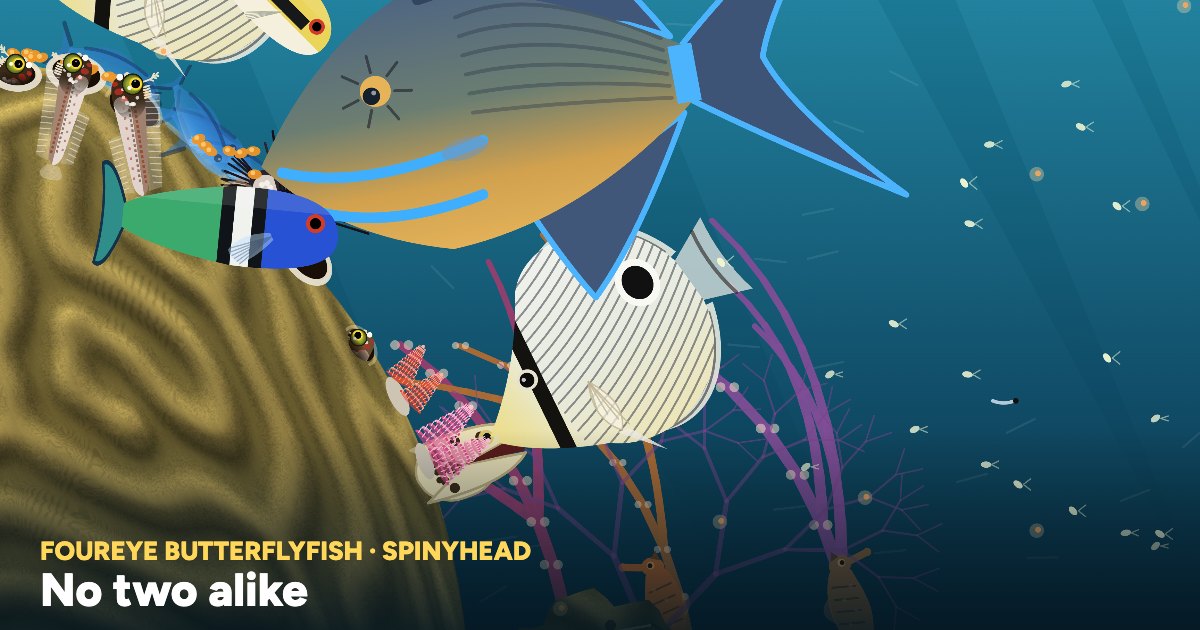
Behavior: Territorial contest competition for shelter holes (refuge competition, with eviction of losing residents)
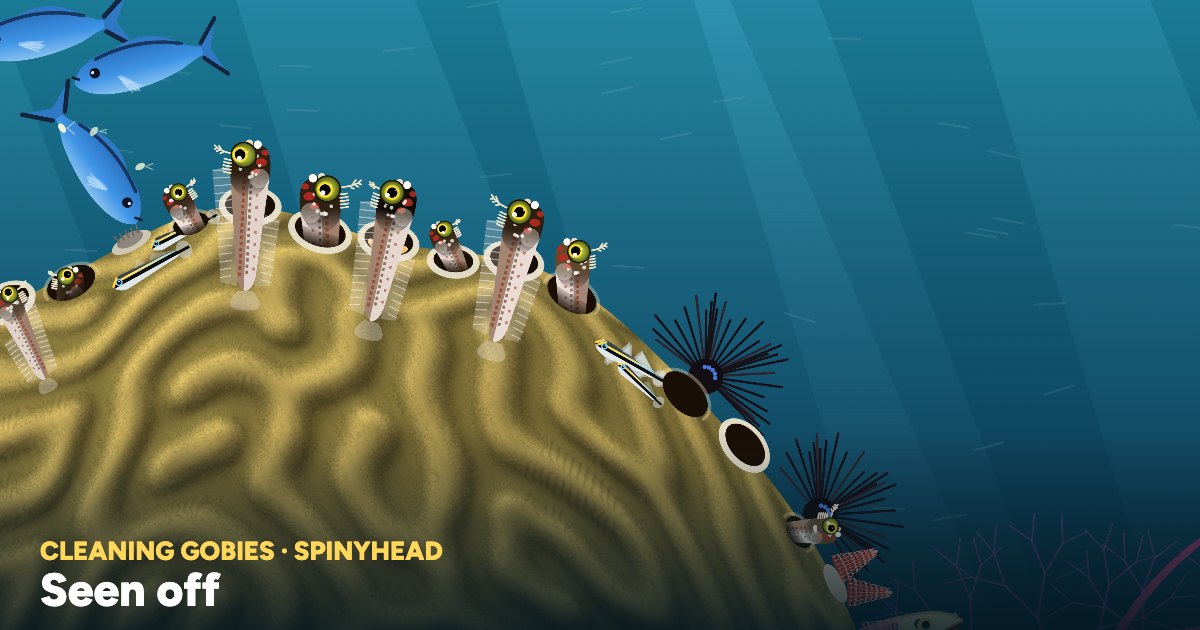
When a resident loses, it is thrown out of its home. In removal experiments, the fish that moved into vacated holes were smaller than the owners they replaced.
Species involved
- spinyhead blenny Acanthemblemaria spinosa hole-dwelling resident that defends its shelter, is evicted if it loses, and is
About territorial contest competition for shelter holes (refuge competition, with eviction of losing residents)
Many small reef fish depend on a hole in the reef, such as an empty worm tube, a boring hole or a crevice, as a refuge from predators and a base for feeding and breeding. Suitable holes are often scarce, so individuals compete for them. A resident defends its hole against intruders with displays and sometimes physical contact. If a challenger wins, the former owner is forced out and loses its shelter. Because holes are a limited resource, this is a classic case of contest competition for space.
Why it matters
For the individual, holding a hole usually means better protection and access to food, mating and egg-guarding sites. An evicted fish is exposed to predators and may have to find another hole or die. In shelter-limited species, the number of holes can set a ceiling on population size. Contests also shape who breeds, because owners tend to be the larger, more competitive fish. In a removal experiment, the size of the fish that take over a vacated hole shows how competition is structured. The notebook reports that fish moving into vacated holes were smaller than the owners they replaced. That suggests the holes were taken over by whichever smaller fish were available, rather than by fish of the original owners' size.
On coral reefs
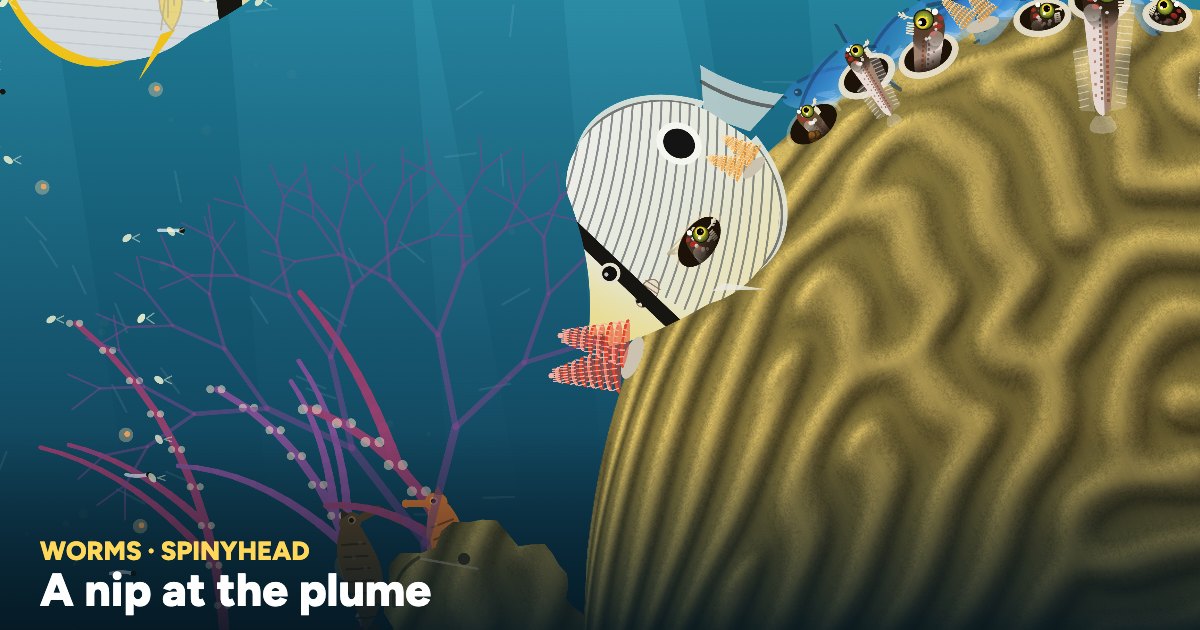
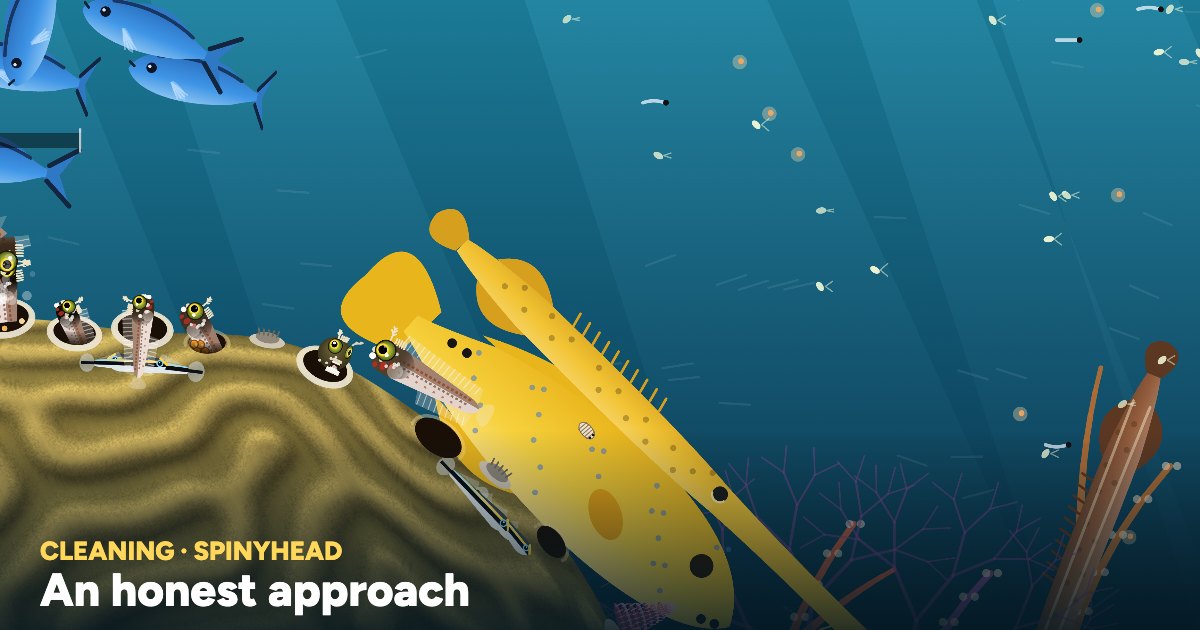
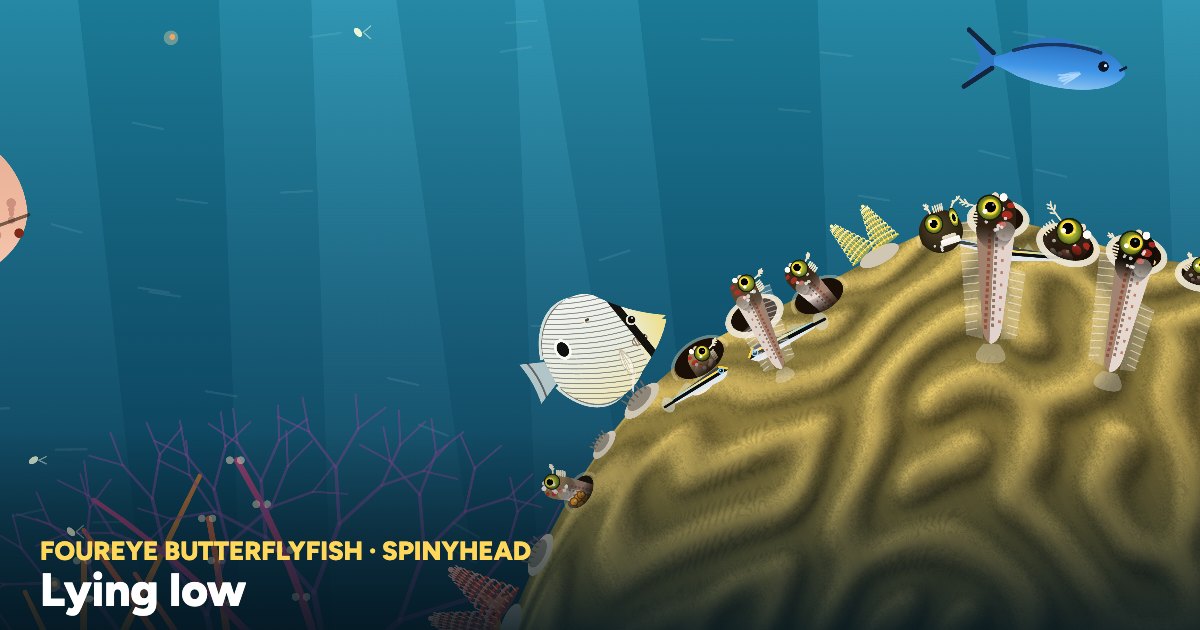
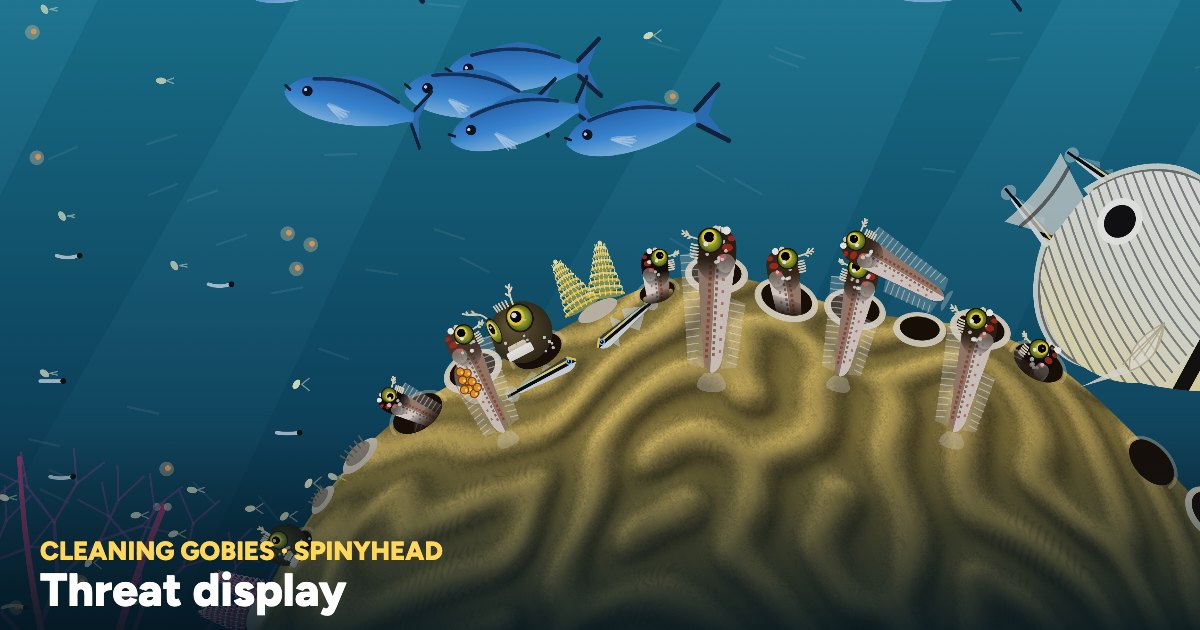
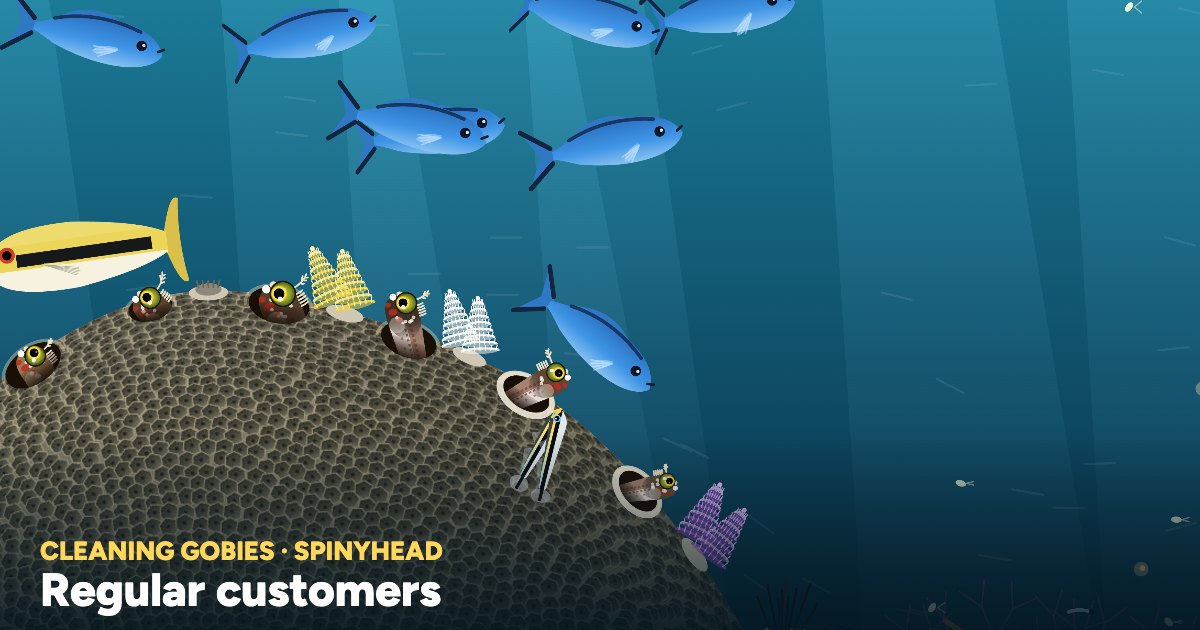
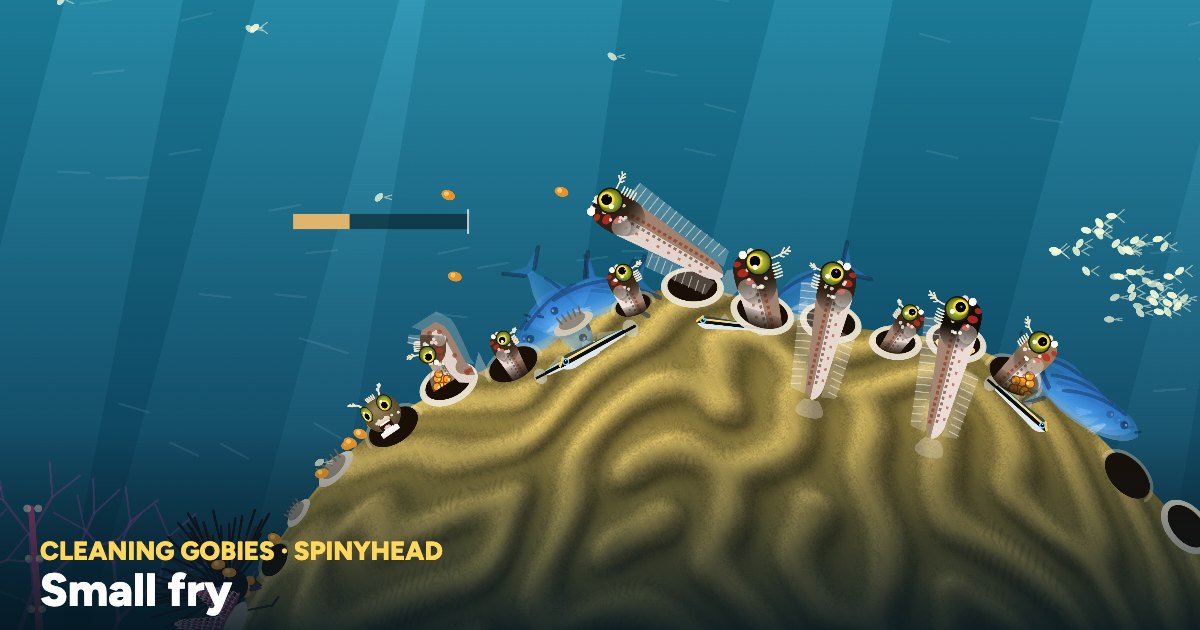
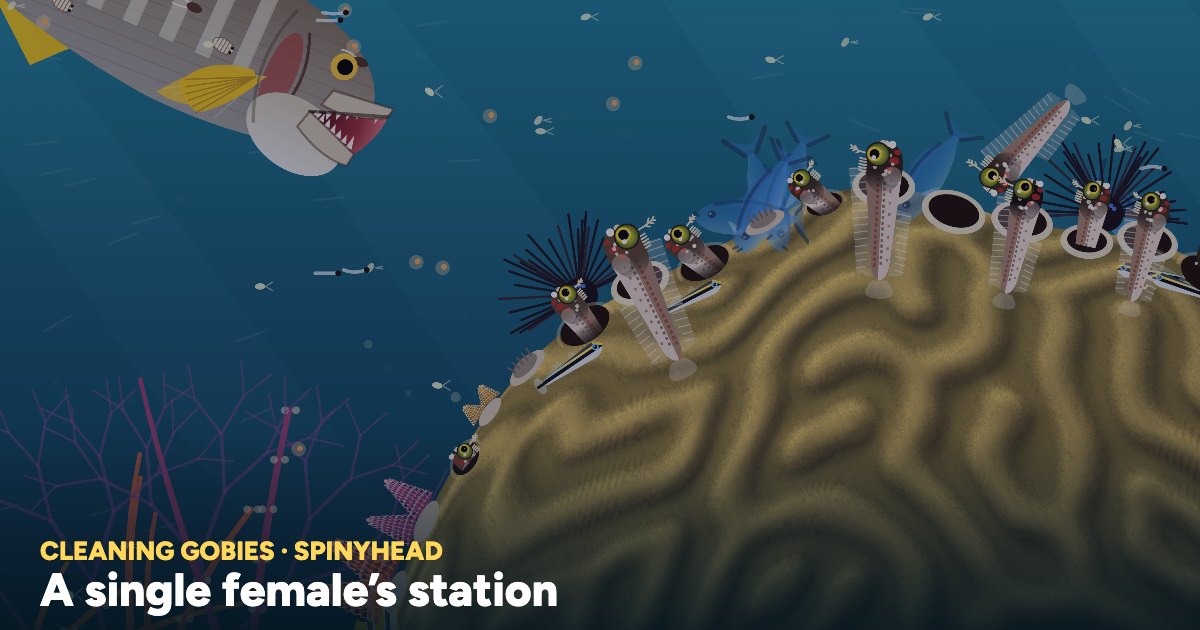
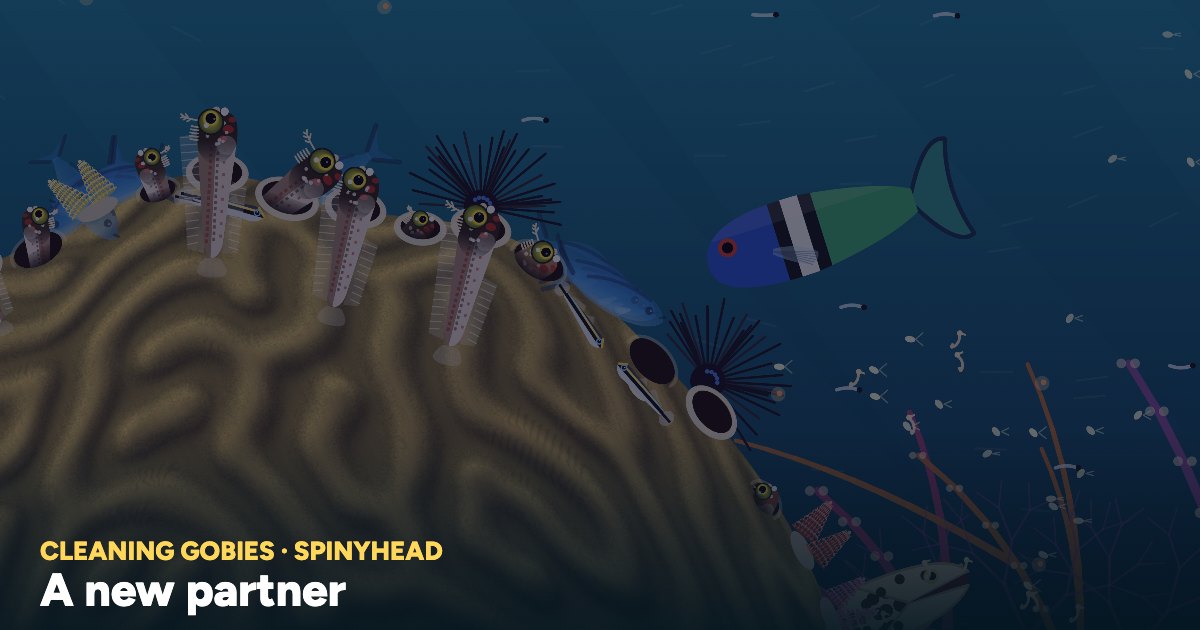
A diver sees small blennies sitting with only the head and front body poking out of holes in the reef surface, often in dead coral. They dart out to chase off neighbours and approaching intruders, and they flare their fins and open their mouths in displays. Eviction itself is quick and seldom seen. What you notice is that a vacated hole is often occupied again within a short time.
Who studied it
Experimentally removing holders to see who replaces them is a standard way of testing whether shelter limits a population, and it has been used on many reef fishes. The notebook's source for this entry is Clarke & Tyler 2003, published in Copeia (2003:241), which used removal experiments with spinyhead blennies. The wider idea that owners have an advantage in contests over resources goes back to evolutionary game theory in the 1970s.
Elsewhere in the animal kingdom
Competition for holes and the eviction of residents occurs widely. Hermit crabs fight over and swap shells, and cichlids and gobies contest nest cavities. Mantis shrimps also fight over burrows and cavities. Hermit crab shell exchange often forms vacancy chains, in which one animal's move opens a home for the next.
Doubts and open questions
Contests are often decided by size, but prior residence can also matter, and it is hard to separate the two. Smaller replacements could mean larger fish are scarce, that smaller fish settle faster, or that holes are simply taken by whoever arrives first. Field experiments cannot always distinguish these explanations.
Related behaviors
- vacancy chain A chain of moves in which one animal leaving a shelter lets another occupy it, rather than a forced eviction.
- territoriality Defence of an area or resource in general, whereas this entry concerns the loss of a specific shelter hole.
- residency (owner) advantage The tendency of current owners to win contests, which is one possible factor behind who keeps a hole.
- hermit crab shell fighting A similar contest over a portable shelter rather than a fixed hole.
Spinyhead is a free game you play in your browser: you are a spinyhead blenny, a fish about 3 cm long living in a worm hole on a Caribbean coral head. Feed, fight for a better hole, court, raise eggs and dodge predators, while everything around you behaves the way field biologists have seen it behave. Every behavior in the game is backed by a published study or careful observation; there are 71 on these pages, and more in the game’s field notebook waiting to be found.
More holes
Other reef behaviors to discover