SpinyheadPlay free
Schoolmaster snapper Lutjanus apodus

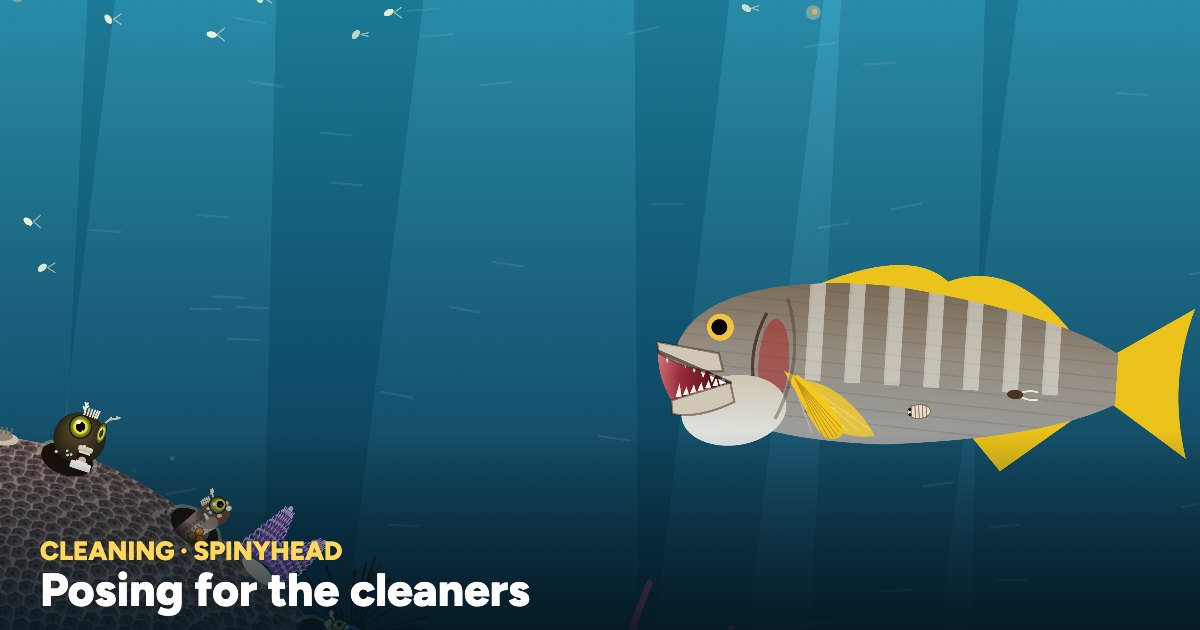
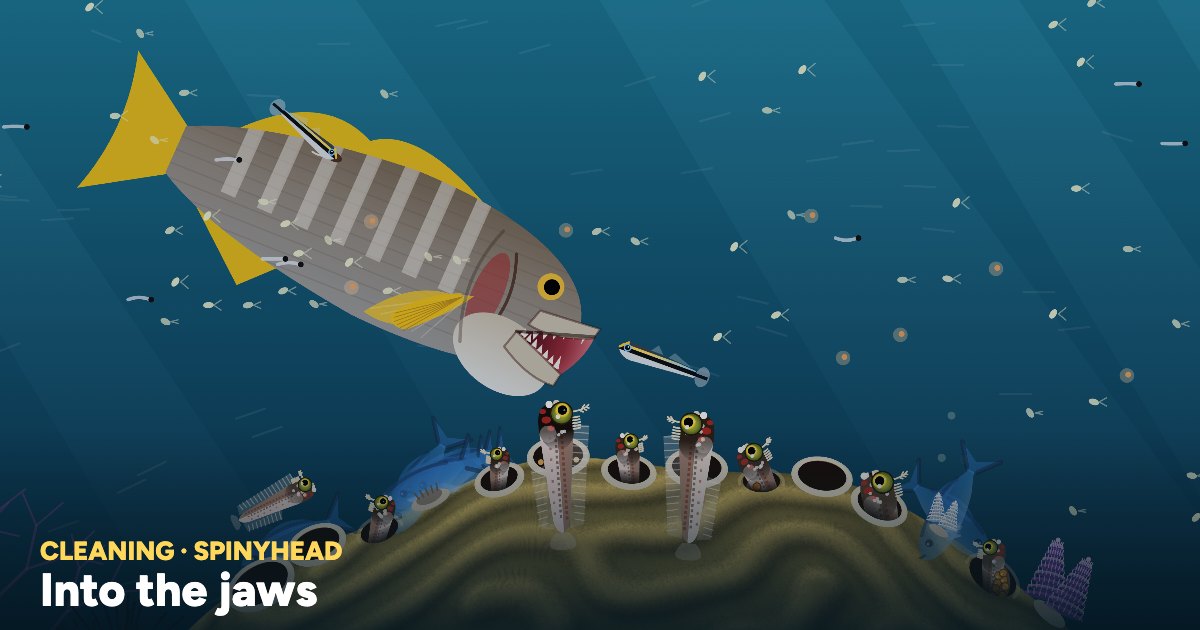
The schoolmaster is a common medium-sized snapper of Caribbean reefs, mangroves and seagrass beds. It is typically seen in loose, slow-moving groups hovering near shelter such as coral heads, wrecks, and mangrove roots by day. Its body is olive-brown above and yellowish below, with pale vertical bars on the sides and bright yellow fins. Juveniles live in mangroves and seagrass before moving to reefs as they grow, and the species is often one of the easiest snappers for divers to approach and observe.
How to recognize it
- yellow fins, especially tail and pelvics
- about 8 pale vertical bars on sides
- olive-brown back, yellowish belly
- bluish line below the eye
- dark-edged, rounded to slightly forked tail
- pointed snout with a sloping head profile
- bars may fade at night or when feeding
| Size | Commonly about 25 to 40 cm; maximum reported about 60 cm. |
|---|---|
| Range | Western Atlantic, from Massachusetts (rare strays) and Bermuda through Florida, the Bahamas, Gulf of Mexico and the Caribbean to southern Brazil. |
| Habitat | Coral reefs, rocky areas, wrecks, mangroves, seagrass beds and estuaries, mostly in shallow water from near the surface to about 60 m. Juveniles favor mangroves and seagrass; adults gather around reef structure. |
| Diet | A carnivore that feeds mostly at night, taking small fishes, crabs, shrimps, other crustaceans, worms and gastropods. It often forages over seagrass and sand adjacent to the reef, then returns to shelter by day. |
| Conservation | The IUCN lists the schoolmaster as Least Concern. It is fished throughout its range, and local pressures include overfishing and the loss of mangrove and seagrass nursery habitats. |
Life and behavior
Schoolmasters form daytime aggregations, sometimes of dozens of fish, which disperse to hunt at dusk. They are egg-scattering spawners, and spawning is reported to occur in groups, often in warmer months and around certain locations. The eggs and larvae drift in the plankton before young fish settle in nearshore nursery habitats such as mangroves and seagrass. Individuals grow slowly and can live for well over a decade. Adults may move between mangroves and reefs, linking the habitats.
Its family: Snappers (Lutjanidae)
Snappers are mostly predatory, perch-like fishes of tropical and subtropical seas, with a moderately deep body, a large mouth and prominent canine teeth. Many species live around reefs and hunt at night. Many are important food fishes, and several gather in large groups to spawn.
Similar species
- Gray snapper Lutjanus griseus Mostly gray to grayish-brown with a dark stripe through the eye and no bright yellow fins.
- Mahogany snapper Lutjanus mahogoni Smaller, with a reddish tail and fins, and a dark spot below the dorsal fin, and no pale bars on sides.
- Yellowtail snapper Ocyurus chrysurus Bright yellow stripe along the side and a deeply forked yellow tail.
- Dog snapper Lutjanus jocu Heavier body, reddish-brown color, a pale triangular patch below the eye, and prominent canine teeth.