 SpinyheadPlay free
French grunt Haemulon flavolineatum

The French grunt is a small, common Caribbean reef fish that spends the day in tight, often mixed-species schools resting near coral heads, gorgonians and rubble patches. It gets its name from the grunting sound it makes by grinding its pharyngeal teeth, amplified by the swim bladder. It is pale silvery-white to yellowish, marked with narrow golden-yellow stripes. Juveniles are abundant in seagrass beds and mangroves and are important in moving nutrients from seagrass to reef.
How to recognize it
- thin yellow stripes on a pale body
- stripes run along upper body, slant downward below
- stripes above lateral line angle up toward the back
- yellow to golden fins
- small dark spot absent from tail base
- red-orange inside of the mouth
- body laterally compressed, oval
- juveniles with a dark spot near tail base
| Size | Typically about 15 to 25 cm; maximum about 30 cm. |
|---|---|
| Range | Western Atlantic: from southern Florida, the Bahamas and the Gulf of Mexico through the Caribbean to northern South America (to about Brazil). Occasionally recorded farther north. |
| Habitat | Coral reefs, rocky areas and patch reefs, usually near shelter such as coral heads, sea fans and ledges, commonly from very shallow water to about 30 m. Juveniles occupy seagrass beds, mangrove edges and sandy areas near reefs. |
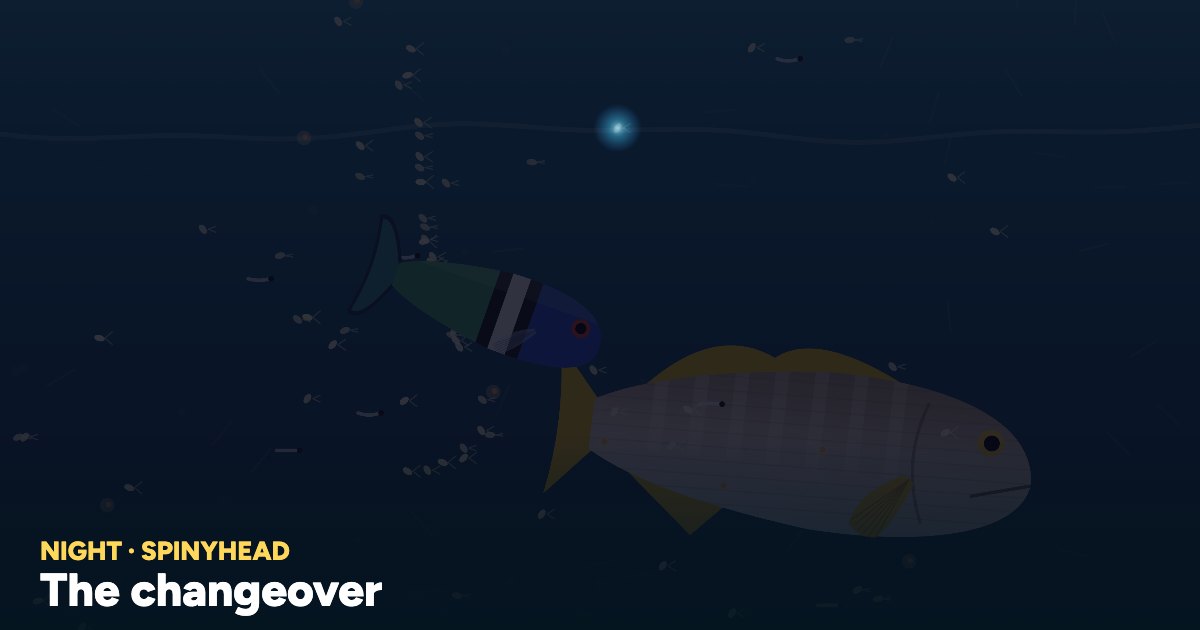
| Diet | A nocturnal feeder. At dusk groups leave the reef and disperse over seagrass beds and sand to feed on small bottom invertebrates such as crustaceans, polychaete worms, mollusks and other small animals, which they pick from the sediment and vegetation. |
| Conservation | The French grunt is not considered threatened and is widespread and abundant. It is assessed as Least Concern by the IUCN. Local threats include habitat loss of seagrass beds, mangroves and coral reefs, and fishing pressure in some areas, where it is taken in small-scale fisheries and traps. |
Life and behavior
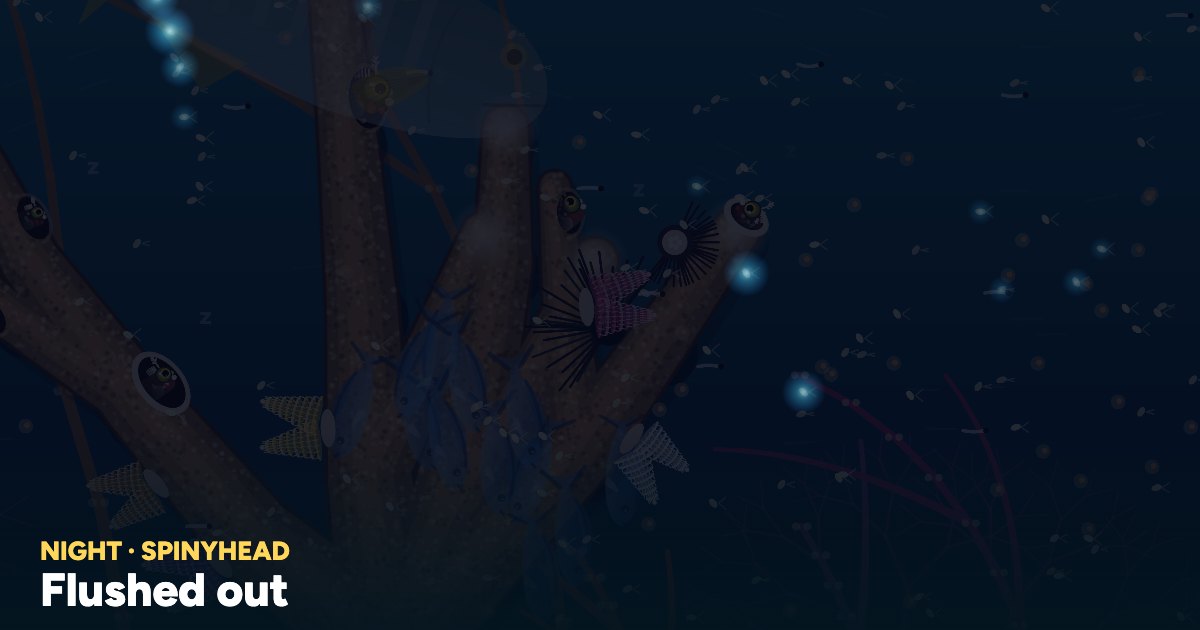
French grunts rest in schools by day, often alongside other grunts and snappers, and disperse at night to forage before returning to similar daytime shelters, often to the same sites. Sound production by grinding teeth is thought to be linked to communication within groups. They spawn in the water column, releasing eggs and sperm, and the larvae drift as plankton before settling in shallow nursery habitats. Juveniles often clean-feed on parasites of other fish at times, and may use seagrass or mangrove areas before shifting to reefs as they mature. They are eaten by larger predatory fishes such as groupers, snappers and jacks.
Its family: Grunts (Haemulidae)
Grunts are mostly medium-sized, schooling fishes of tropical and subtropical seas. They have fairly deep, compressed bodies, thick lips, and a continuous dorsal fin. Many rest in groups by day near reefs and feed at night away from the reef, and their name comes from the sounds they make with their pharyngeal teeth. Many have brightly colored mouth linings that show when they open wide.
Similar species
- Bluestriped grunt Haemulon sciurus Larger, with bold blue stripes on a yellow body and a dark tail and dorsal fin edge, versus the thin yellow stripes of the French grunt.
- Caesar grunt Haemulon carbonarium Has dark, bronzy body with narrow dark stripes and a dark tail; the French grunt is paler with yellow stripes.
- Smallmouth grunt Haemulon chrysargyreum Pale body with yellowish-bronze stripes above the lateral line only, and a smaller mouth and larger eye; French grunt stripes extend lower on the body.