 SpinyheadPlay free
Coney Cephalopholis fulva

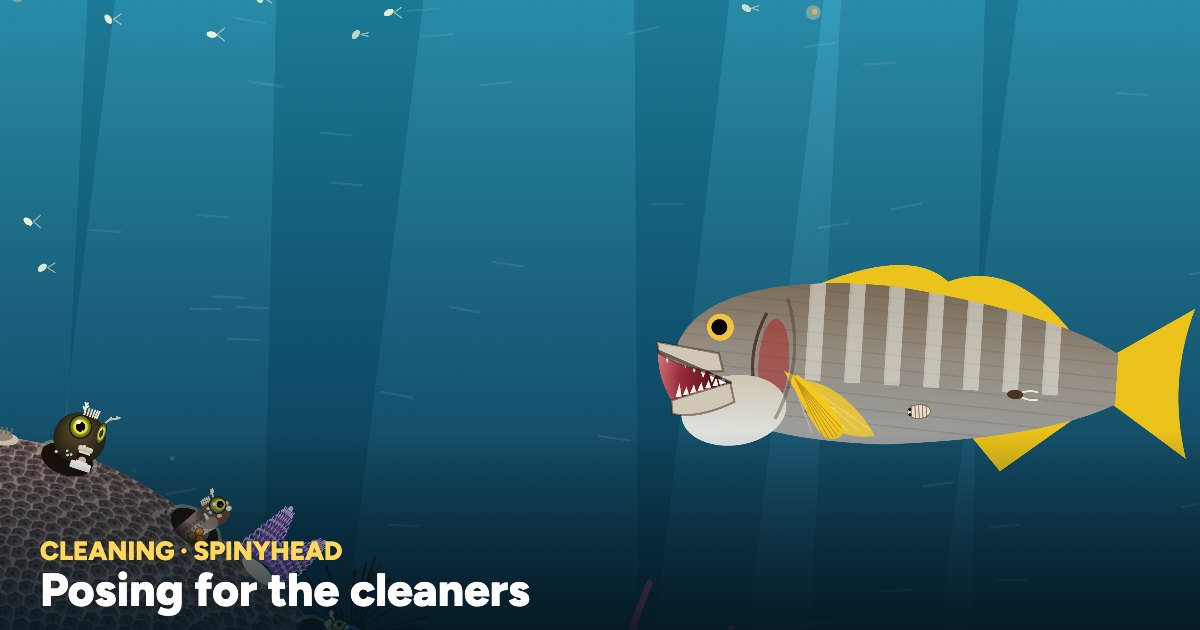
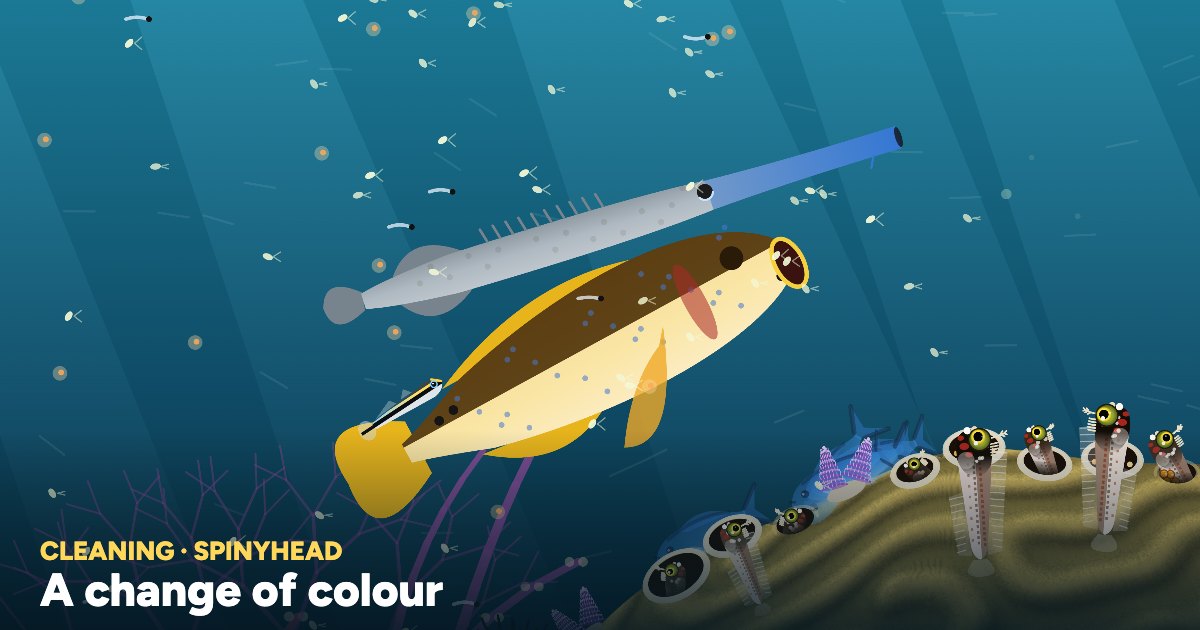
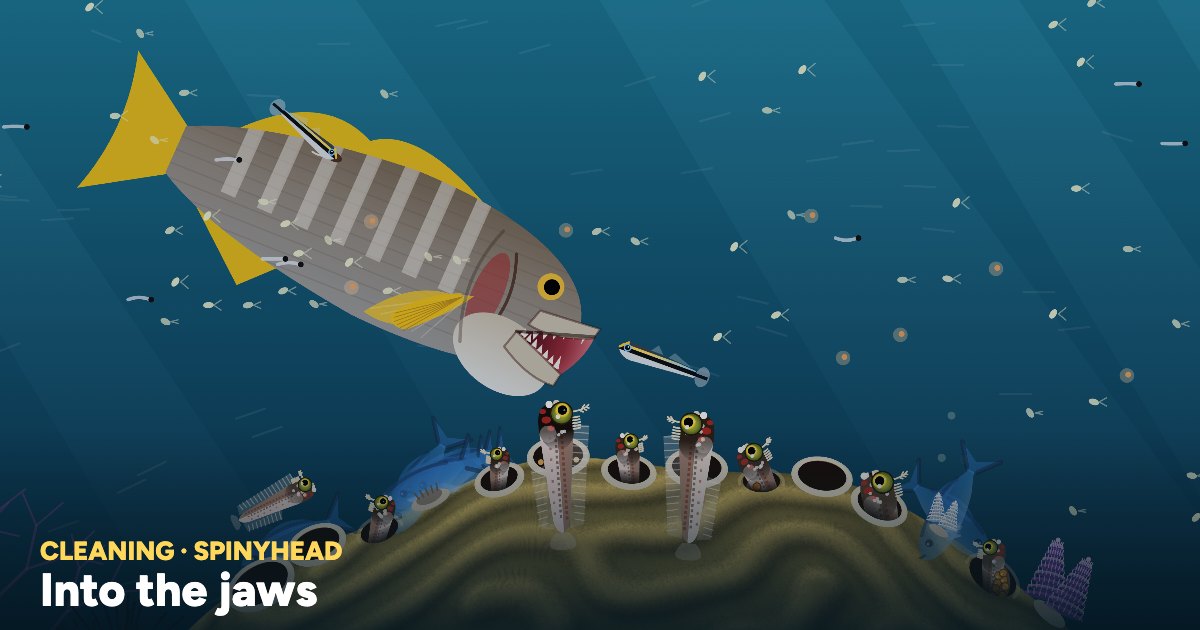
The coney is a small, common Caribbean grouper and one of the most frequently seen groupers on shallow reefs. It is notable for its striking colour variability: individuals can switch quickly between a reddish-brown phase and a bicolored phase with a pale upper body and dark lower body, and a rare bright yellow (xanthic) form also occurs. It is usually seen perched motionless on coral or rock, watching for prey, and is often rather curious and approachable to divers. Despite its small size it is a typical ambush predator.
How to recognize it
- two black spots on lower jaw tip
- small bright blue spots over head and body
- reddish-brown to olive body, or bicolored
- black spots at the tip of the lower jaw
- rounded tail with dark edge
- dark-tipped dorsal fin with pale margin
- rare all-yellow color phase
| Size | Typically about 20 to 30 cm; maximum about 40 cm. |
|---|---|
| Range | Western Atlantic: from Bermuda and southern Florida through the Bahamas and Caribbean to southern Brazil; occasional records farther north. |
| Habitat | Coral reefs and rocky bottoms, especially reef slopes and ledges and crevices among coral and rubble. Common from very shallow water to depths of about 100 m or more, but most often seen on reefs shallower than about 30 m. |
| Diet | Carnivore that eats mainly small fishes and crustaceans such as crabs and shrimps. It hunts from ambush or by stalking close to the bottom, then engulfs prey with a rapid expansion of its mouth. |
| Conservation | Listed as Least Concern by the IUCN. It is fished throughout its range, usually as a small-scale catch, and local declines can occur where fishing pressure is high, but it is generally still common. Reef degradation is an additional concern. |
Life and behavior
Coneys are largely solitary and territorial, staying near a favored shelter on the reef. They are protogynous hermaphrodites, meaning individuals mature as females and some later change into males. Spawning occurs in groups or harems, typically with a male and several females, and eggs and larvae drift in the plankton before young settle on the reef. Colour changes appear to be linked to behaviour and surroundings, and the species can change between phases within moments.
Its family: Groupers and sea basses (Epinephelidae)
Groupers are stout-bodied predatory fishes with large mouths and strong jaws used to engulf prey by suction. Most live on or near reefs and hard bottoms and are ambush hunters. Many are protogynous hermaphrodites, and larger species are particularly vulnerable to overfishing. Some authorities still place them in the family Serranidae.
Similar species
- Graysby Cephalopholis cruentata Has dark, orange-brown spots over the body rather than blue spots, and typically shows a few dark spots along the base of the dorsal fin; lacks the two black spots at the lower jaw tip.
- Red hind Epinephelus guttatus Covered in red-brown spots with a dark-edged tail and fins; no blue spots, and generally larger and heavier-bodied.
- Butterfish (Creole fish) Paranthias furcifer Slimmer, forked tail and a plankton-feeding habit in open water above the reef, with salmon spots on the back; the coney has a rounded tail and stays near the bottom.