 SpinyheadPlay free
Long-spined sea urchin Diadema antillarum

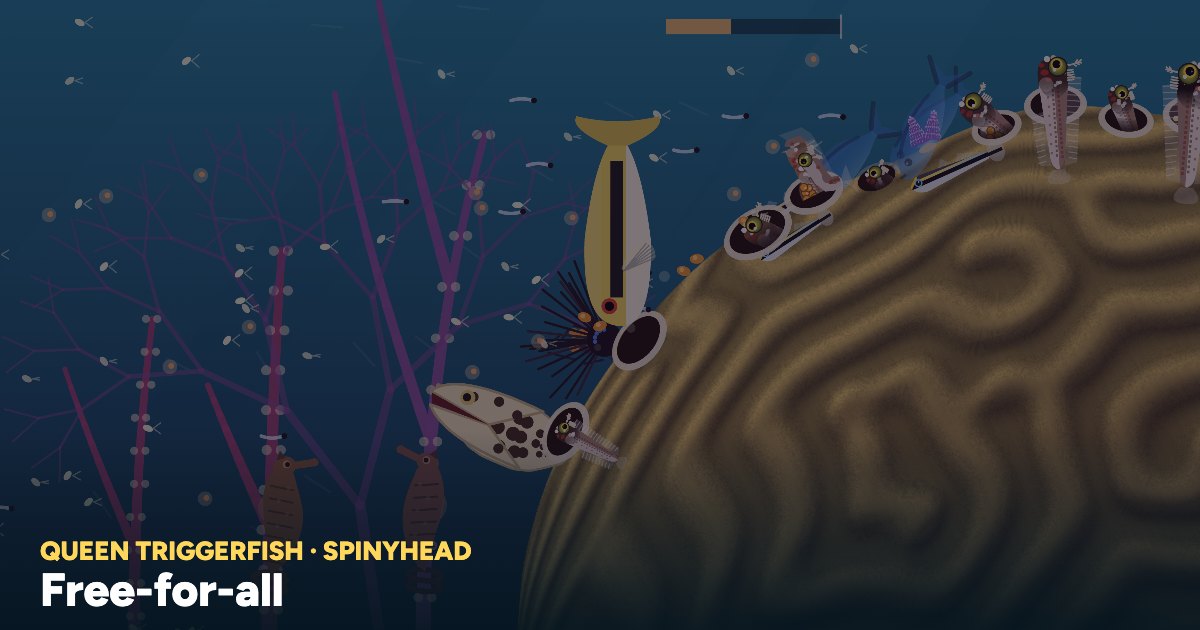
The long-spined sea urchin is a black, round-bodied urchin armed with very long, thin, brittle spines that can be several times the width of its body. It is one of the most important grazers on Caribbean reefs, because its constant feeding on algae keeps space open for young corals to settle and grow. The spines are hollow and sharp, and they can break off in skin, causing a painful sting and sometimes lingering irritation. In 1983-84 a mysterious disease killed an estimated 95 to 99 percent of the species across the Caribbean, with major consequences for reef health. Populations have recovered slowly and unevenly since then, and another die-off occurred in 2022.
How to recognize it
- jet-black round body
- very long thin spines
- spines often waving and pointing at threats
- small body with spines much longer than body width
- often in groups or crevice aggregations
- bluish or iridescent spots near the top of the body
- orange or reddish ring around the anal opening
| Size | Body (test) typically about 6 to 10 cm across; spines can reach 20 to 30 cm or more in length. |
|---|---|
| Range | Tropical western Atlantic, including Florida, the Bahamas, the Caribbean Sea, Bermuda, and the Gulf of Mexico, with related populations reported off the coast of Brazil and parts of the central Atlantic. |
| Habitat | Found on coral reefs, rocky areas, seagrass beds and rubble from very shallow water to roughly 400 m, but most common on shallow reefs, often less than about 15 m. Hides in crevices and under ledges by day, and may be more exposed at night. |
| Diet | Mainly an algal grazer. It scrapes algae and algal films from hard surfaces using a five-toothed jaw structure known as Aristotle's lantern. It also eats seagrass, and occasionally small amounts of detritus, coral and other organisms. |
| Conservation | Not formally assessed as threatened in a way that captures its population history, but it suffered a catastrophic Caribbean-wide mass mortality in 1983-84, and another die-off in 2022 that was linked to a ciliate parasite. Recovery has been slow and patchy. Other pressures include poor water quality and habitat loss. Low urchin numbers are associated with algal overgrowth on reefs, and restoration efforts in some places have tried rearing and releasing urchins. |
Life and behavior
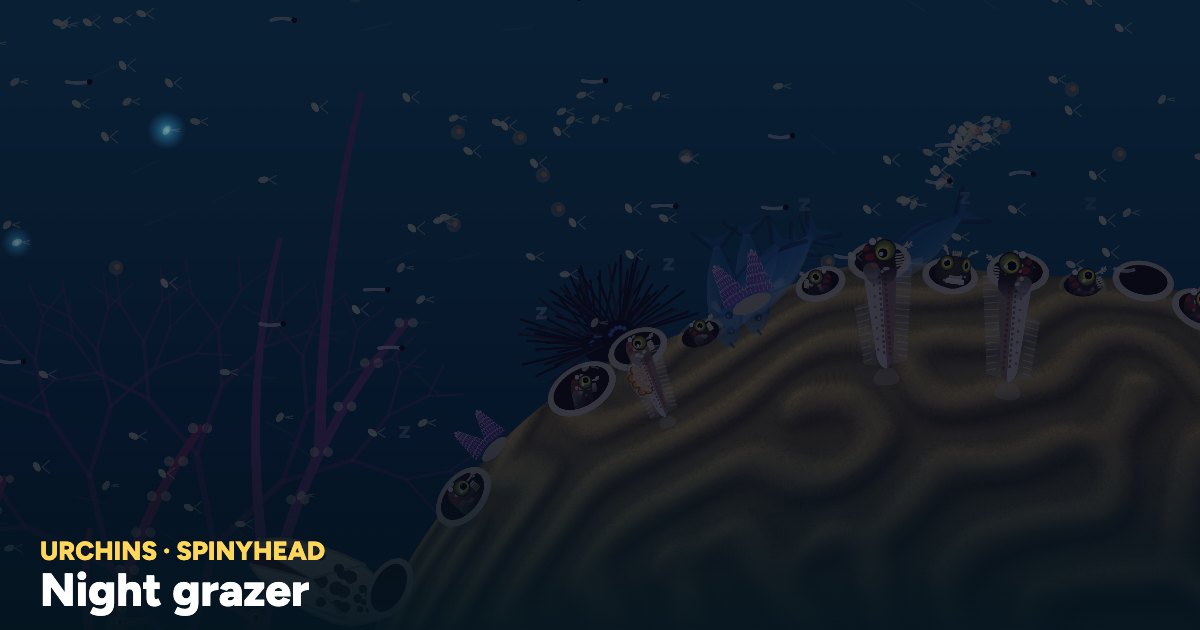
Individuals often shelter in crevices by day and emerge to feed at night, using their tube feet to move and to sense light. Their spines can pivot toward a source of shadow or movement. Sexes are separate, and adults release eggs and sperm into the water in spawning events, often tied to the lunar cycle. Fertilized eggs develop into planktonic larvae that drift for several weeks before settling on the reef. Young urchins often shelter among rocks and in reef crevices. Adults may live for several years, but exact lifespan is uncertain.
Its family: Long-spined sea urchins (Diadematidae)
Members of this family are generally round-bodied urchins with long, slender, hollow, brittle spines. Most live in warm seas and are active grazers on algae. Many species are black or dark, and some have noticeable sensitivity to shadows and movement.
Similar species
- Reef urchin Echinometra viridis Much smaller and with short, thick spines, often reddish-brown or purplish, usually wedged in reef holes.
- Rock-boring urchin Echinometra lucunter Has short, stout spines and an oval body, and lives in holes it excavates in rock, unlike the long needle-like spines of Diadema.
- West Indian sea egg Tripneustes ventricosus Has short spines, often covered by bits of shell and debris, and a rounder, more robust look.
- Pencil urchin Eucidaris tribuloides Has thick, blunt, widely spaced spines, not thin and needle-like.