SpinyheadPlay free
Spotfin butterflyfish Chaetodon ocellatus

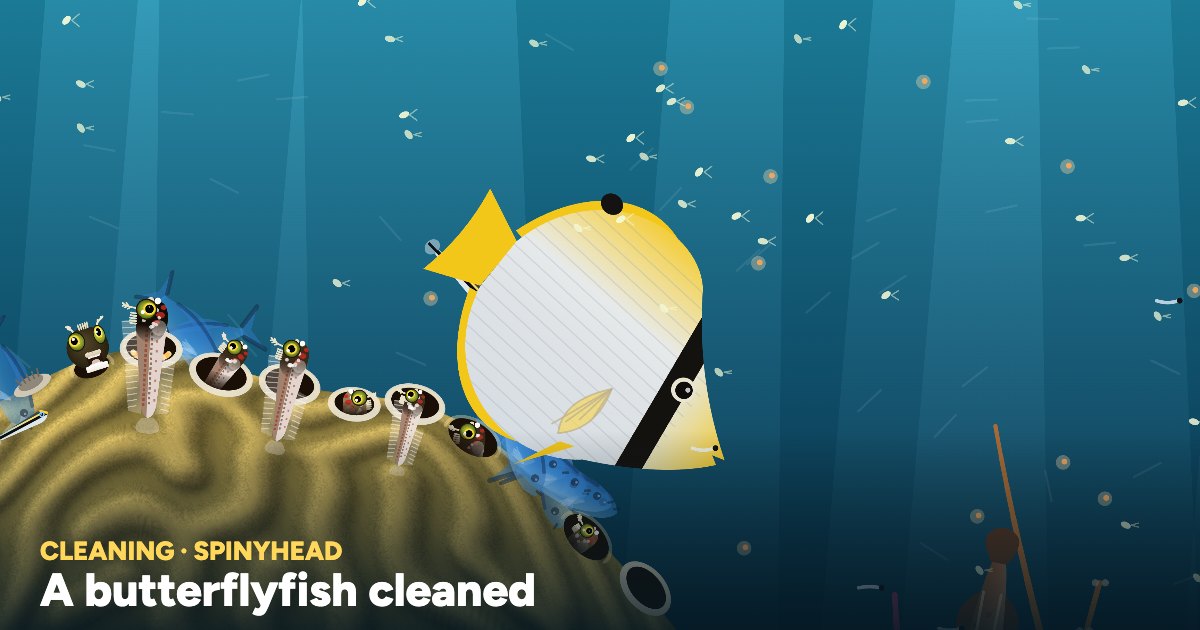
The spotfin butterflyfish is a small, deep-bodied, laterally compressed reef fish of the western Atlantic. It is mostly white to pale silvery-yellow, with yellow fins and a dark bar through the eye. Juveniles carry a conspicuous black spot on the soft dorsal fin, and the spot is typically lost or reduced in adults, which instead keep a faint dusky mark. It is often seen singly or in pairs, picking its way over the reef with a small, pointed snout.
How to recognize it
- white to pale yellowish body
- dark bar through the eye
- yellow pelvic, anal and tail fins
- yellow edge on the dorsal fin
- black spot on soft dorsal fin of juveniles
- deep, disc-shaped compressed body
- small pointed snout
- dusky bar across the forehead above the eye
| Size | Typically about 10 to 15 cm; maximum about 20 cm in total length. |
|---|---|
| Range | Western Atlantic, from Nova Scotia and the Gulf of Maine south through Florida, the Gulf of Mexico and the Caribbean to Brazil. Juveniles are carried north by currents in summer and are occasionally found in temperate waters. |
| Habitat | Coral reefs, rocky areas, and seagrass and hard-bottom habitats, usually in shallow water to moderate depths of roughly 2 to 30 m or more. Juveniles are often found in shallow, sheltered areas such as seagrass beds and around rubble or jetties. |
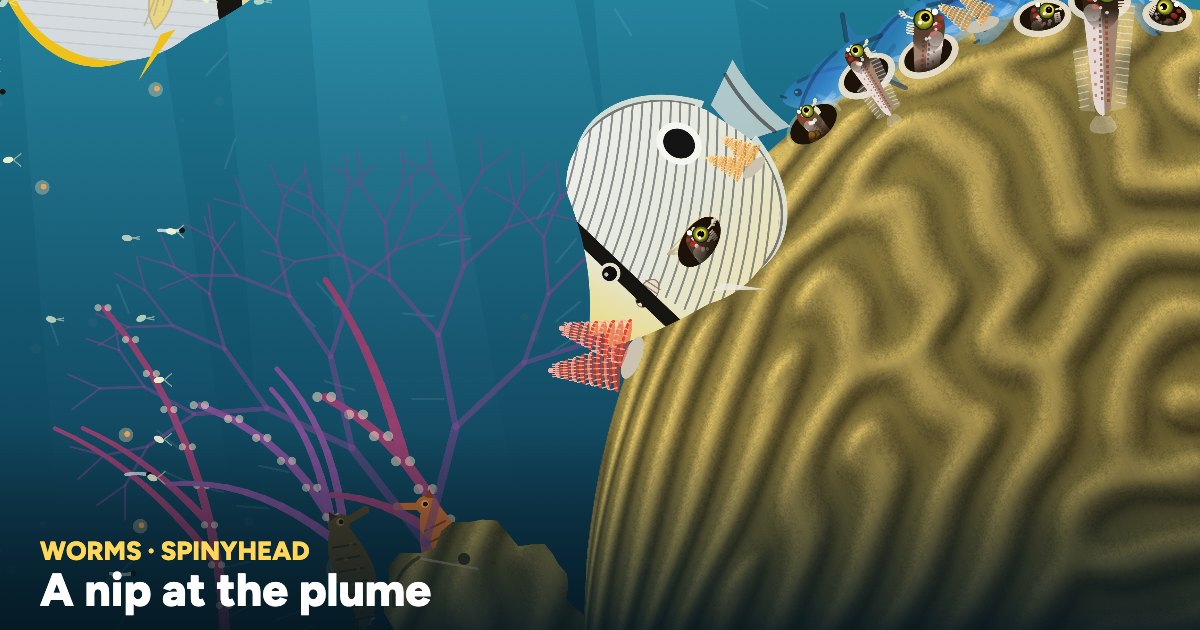
| Diet | Feeds on small invertebrates such as polychaete worms, small crustaceans, and the tentacles and polyps of corals and anemones, as well as some algae. It picks food from the reef surface with its small, bristle-like teeth and a protruding snout. |
| Conservation | Not considered threatened. It is widespread and is assessed as Least Concern by the IUCN. Local threats include reef degradation and loss of coral, and some collection for the aquarium trade. |
Life and behavior
Spotfin butterflyfish are active during the day and shelter in crevices at night. They are usually seen alone or in pairs, and pairs may remain together over time. Like most butterflyfishes, they are thought to spawn by releasing eggs and sperm into the water column, where eggs and larvae drift as plankton before the young settle on the reef. Juveniles are commonly seen in shallower habitats than adults. The ecology of this species is less thoroughly studied than that of some other butterflyfishes.
Its family: Butterflyfishes (Chaetodontidae)
Butterflyfishes are small, brightly patterned, disc-shaped reef fishes with small mouths and brush-like teeth. Many have a dark bar through the eye and a spot near the tail that may confuse predators. Most feed on small invertebrates, coral polyps or algae, and many form long-lasting pairs.
Similar species
- Foureye butterflyfish Chaetodon capistratus Has a large black, white-ringed eyespot near the tail on each side and diagonal dark lines on the body; the spotfin lacks this and is mostly pale with yellow fins.
- Banded butterflyfish Chaetodon striatus Has two bold, black vertical bands, one through the eye and one at the rear of the body; the spotfin lacks these strong body bands.
- Reef butterflyfish Chaetodon sedentarius Has a dark bar through the eye and a dark band at the rear of the body, with a yellowish tint; lacks the yellow fins and plain pale body of the spotfin.