 SpinyheadPlay free
Massive starlet coral Siderastrea siderea
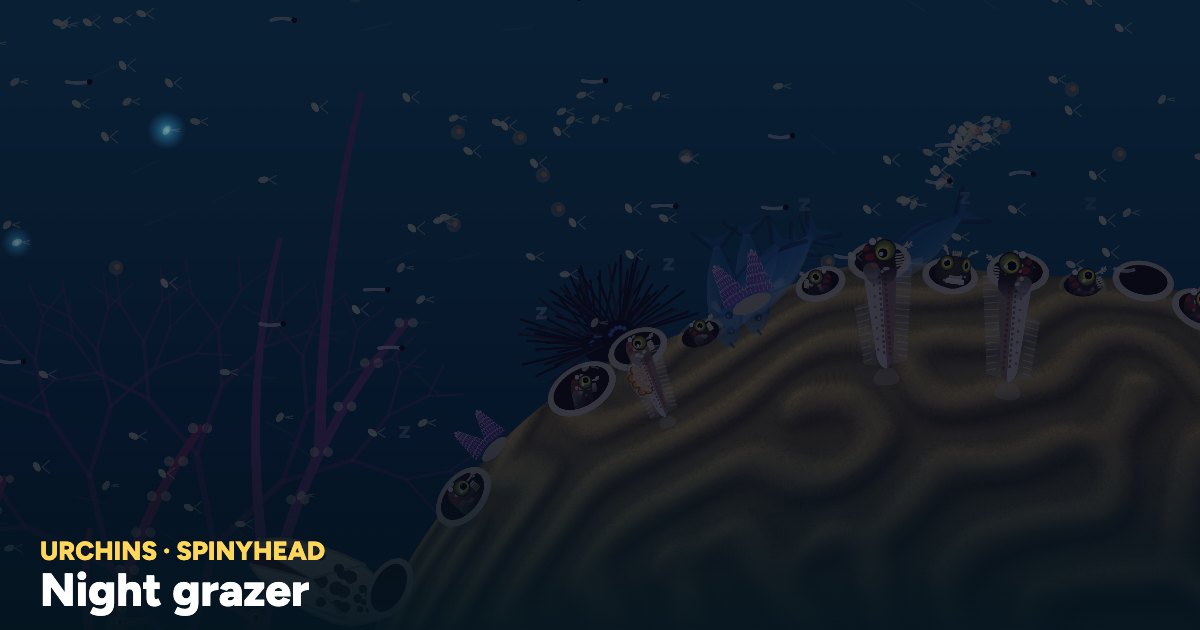
The massive starlet coral is one of the most common reef-building stony corals in the Caribbean. It forms solid, rounded boulders or domes that can slowly grow very large and live for many decades. The surface looks smooth and finely pitted because each polyp sits in a tiny, shallow cup. It is a tough, stress-tolerant species that often persists on reefs where more delicate corals have declined, including turbid, nearshore sites.
How to recognize it
- smooth dome or boulder shape
- tiny shallow polygonal cups
- cups about 3 mm across
- tan, brown or gray-brown color
- polyps usually retracted by day
- fine, even, unridged surface
- sometimes flat encrusting plates
| Size | Colonies are commonly tens of centimetres across; old colonies can exceed 1 m and reach a few metres across. Individual corallites are about 3 mm wide. |
|---|---|
| Range | Tropical western Atlantic: southern Florida and the Florida Keys, the Bahamas, the Gulf of Mexico and throughout the Caribbean. |
| Habitat | Found on many reef types, including back reefs, reef flats, fore reefs, patch reefs and turbid nearshore areas. It occurs from very shallow water to at least 40 m, and is most abundant at moderate depths. |
| Diet | Like other reef corals, it gets much of its energy from symbiotic algae (zooxanthellae) living in its tissue. It also feeds on tiny zooplankton and particles, which the polyps catch with their tentacles, mainly at night. |
| Conservation | Assessed by the IUCN as Least Concern, as it is widespread and common. Local populations are still affected by bleaching during marine heatwaves, coral diseases (including dark spot disease), sedimentation, pollution and physical damage. |
Life and behavior
Colonies grow very slowly, adding only a few millimetres of skeleton per year, so large heads are probably many decades to centuries old. Colonies are generally either male or female, and they release eggs and sperm into the water in broadcast spawning, in late summer in studied populations. Larvae drift as plankton before settling and building a new colony. The species tolerates warm water, sediment and variable conditions better than many corals, but it can still bleach and can be affected by diseases such as dark spot disease. Colonies can survive partial tissue loss and regrow over damaged areas.
Its family: Starlet corals (Siderastreidae)
Siderastreidae are stony corals that build hard calcium carbonate skeletons and usually have small polyps in tightly packed cups. Many form massive or encrusting colonies and host symbiotic algae. Several members are hardy and can live in marginal habitats.
Similar species
- Lesser starlet coral Siderastrea radians Usually forms smaller, rounded, nodular or encrusting colonies, mostly in shallow, sheltered water. Its cups are slightly smaller, so a close look is needed to separate the two.
- Great star coral Montastraea cavernosa Has much larger, rounder cups with thick raised rims, and its polyps often stay extended in daytime, giving a fuzzy look. The massive starlet's surface is smoother and finer.
- Mustard hill coral Porites astreoides Typically yellow-brown to mustard, with a lumpy surface and very small polyps that are often visible by day. The massive starlet is more uniformly brown or gray with a smoother surface.